You scroll through Instagram and see your competitor's ads everywhere—polished creatives, compelling offers, seemingly endless budget. Meanwhile, your own campaign burns through money with disappointing results. You've tried tweaking the targeting, refreshing the creative, adjusting the budget. Nothing seems to work consistently.
Here's the uncomfortable truth: most marketers never actually optimize their Instagram ads. They launch campaigns, make random adjustments when performance dips, and hope for the best. That's not optimization—that's guesswork with a budget attached.
Real optimization is a systematic diagnostic process. It's understanding why performance declines over time, identifying the specific variables killing your results, and implementing changes based on data rather than intuition. The difference between launching ads and truly optimizing them is the difference between hoping for results and engineering them.
The challenge intensifies as your account grows. What works manually for one campaign becomes overwhelming with five campaigns, ten audiences, and dozens of creative variations. Performance naturally decays as audiences saturate and creative fatigues. Without systematic optimization, you're constantly playing catch-up, reacting to problems instead of preventing them.
This is where most advertisers give up. They conclude Instagram ads "don't work" for their business, when the reality is they never implemented proper optimization frameworks. They optimized symptoms—declining click-through rates, rising costs—rather than diagnosing root causes like audience overlap or creative fatigue patterns.
But here's what changes everything: optimization becomes exponentially more powerful when you build systematic processes that AI can amplify. Manual optimization teaches you what works. AI-powered automation scales those winning strategies across your entire account, maintaining performance while dramatically increasing reach.
This guide walks you through the complete optimization process, from diagnostic foundations to AI-powered scaling. You'll learn how to identify performance killers, implement systematic improvements, and build optimization workflows that compound over time. By the end, you'll have a framework that transforms struggling campaigns into profit drivers—and the foundation for AI to amplify your results even further.
Let's walk through how to optimize your Instagram ads step-by-step, building a foundation that scales with your business growth.
Step 1: Ensure 5+ Day Data Accuracy Before Optimization
Here's the optimization mistake that kills more campaigns than bad creative or targeting: making decisions based on incomplete data. You check your dashboard after two days, see disappointing numbers, and start changing everything. Three days later, conversions appear that were attributed to those early clicks. You've just optimized away from what was actually working.
Instagram's attribution system doesn't report conversions instantly. Users click your ad, browse your site, leave, return days later, and convert. Meta tracks this journey, but the data takes time to populate fully. Making optimization decisions before this data stabilizes is like adjusting your recipe before tasting the finished dish.
The industry standard is waiting 5-7 days before evaluating campaign performance. This isn't arbitrary—it's based on how Meta's attribution windows work and when conversion data becomes statistically reliable. Rush this process, and you'll optimize based on incomplete information that misrepresents actual performance.
Set Your Attribution Window Correctly: Navigate to your ad account settings and verify your attribution window matches your business model. E-commerce typically uses 7-day click and 1-day view attribution. Longer sales cycles might extend to 28-day click attribution. This setting determines which conversions get credited to your ads, fundamentally affecting what your data tells you.
Implement the 5-Day Waiting Rule: After launching any new campaign, ad set, or creative, wait a minimum of 5 full days before making performance judgments. Mark this date in your calendar. During this period, monitor for technical issues like disapproved ads or broken tracking, but resist the urge to optimize based on performance metrics. The data simply isn't complete yet.
Verify Your Tracking Infrastructure: Before that 5-day window even starts, confirm your Facebook Pixel fires correctly on key pages. Use Meta's Pixel Helper Chrome extension to verify pixel events trigger on your landing pages, add-to-cart actions, and purchase confirmations. One missing pixel event can make profitable campaigns appear to fail.
Check Conversions API Implementation: Since iOS 14.5 limited pixel tracking, Conversions API has become essential for accurate data. Verify your server-side tracking sends conversion events to Meta. Compare Conversions API events against pixel events in Events Manager—you should see both tracking methods reporting similar numbers, providing redundancy when one method misses data.
Monitor Data Stabilization Patterns: Watch how your conversion numbers change over the first week. You'll typically see conversions continue populating for 3-5 days after the initial click. If conversions still appear significantly after day 7, your attribution window might be too short for your customer journey, or you have tracking delays that need investigation.
The most common pitfall? Comparing day-old campaign data against month-old campaign data. Your new campaign shows zero conversions while your established campaign shows strong performance—but that established campaign also showed zero conversions in its first few days. You're comparing incomplete data against stabilized data, creating false performance narratives.
This waiting period feels counterproductive when you're eager to optimize, but it's the foundation of reliable decision-making. Every optimization choice you make afterward depends on accurate data. Rush this step, and every subsequent optimization compounds the error, taking you further from profitable performance.
Once your tracking infrastructure is verified and your data has stabilized, you can leverage automated instagram ads to scale your optimization efforts systematically. The key is building on a foundation of accurate attribution before implementing any automation or advanced optimization strategies.
Putting It All Together
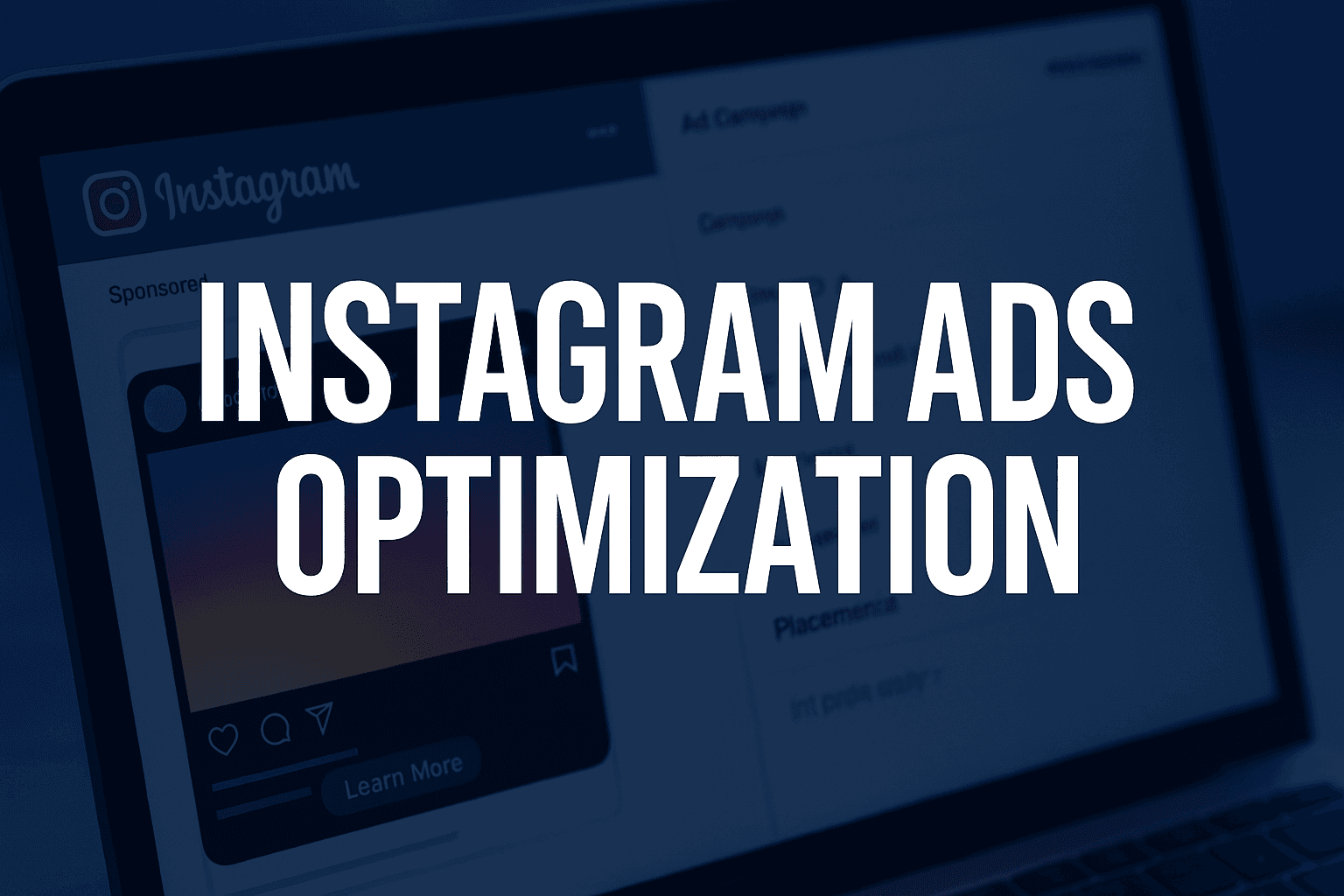
Instagram ads optimization isn't about making random changes and hoping for improvement. It's a systematic diagnostic process that starts with accurate data foundations, progresses through targeted refinements, and scales with AI-powered automation.
The five-step framework gives you a repeatable process: ensure tracking accuracy before optimization, diagnose performance issues systematically, refine targeting based on conversion data, optimize creative through structured testing, and allocate budgets strategically. Each step builds on the previous one, creating compounding improvements over time.
Manual optimization teaches you what works for your specific business. But here's where it gets exponentially more powerful: once you've identified winning strategies through systematic testing, AI automation scales those insights across your entire account. What took hours of daily management becomes continuous optimization that runs 24/7, maintaining performance while dramatically increasing reach.
The difference between struggling campaigns and profit drivers isn't luck or budget size. It's having systematic optimization processes that identify what works, scale winning strategies, and prevent performance decay before it impacts results.
Ready to transform your Instagram ads from manual guesswork into automated profit engines? Start Free Trial With AdStellar AI and let AI amplify your optimization efforts while you focus on strategy and creative direction.