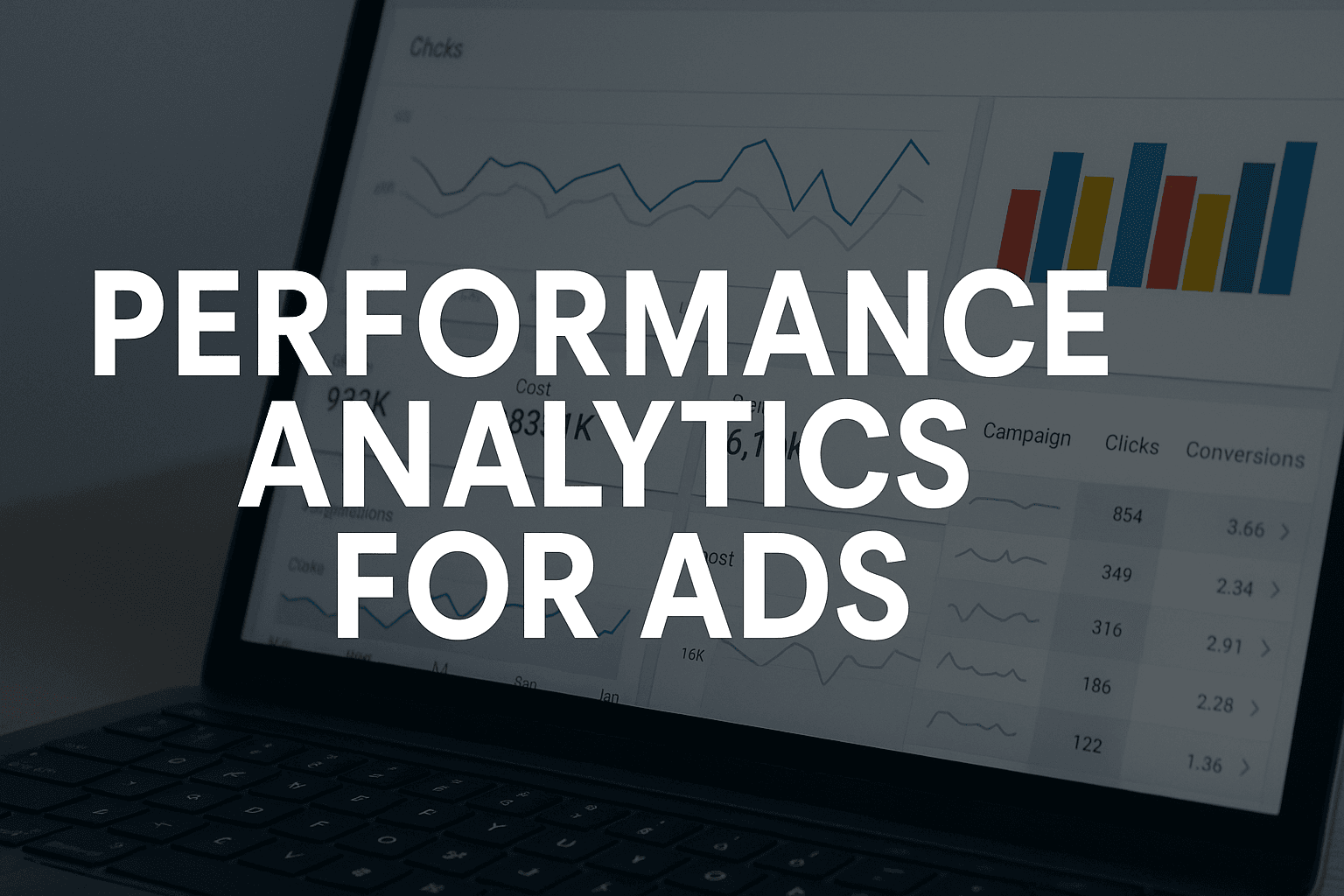
You're spending thousands on advertising, watching numbers fluctuate daily, making decisions based on what feels right. But here's the uncomfortable truth: without performance analytics, you're essentially flying blind with an expensive plane. Every dollar you spend is a bet, every campaign adjustment is a guess, and every "optimization" is just another hypothesis you can't properly test.
Performance analytics isn't about collecting more data—it's about transforming raw advertising metrics into actionable intelligence that tells you exactly what's working, what's failing, and why. It's the difference between "our ads got 10,000 impressions" and "our carousel ads with lifestyle imagery delivered 4.2% CTR among 25-34 year old women on mobile devices between 7-9 PM, while our single-image product shots averaged 1.8% CTR across all segments." One statement is a number. The other is intelligence you can act on.
This isn't theoretical. Companies using sophisticated performance analytics consistently outperform competitors who rely on platform dashboards and gut instinct. They know which creative variations drive conversions, which audience segments deliver profitable ROAS, and which optimization levers actually move the needle. They're not smarter—they're just measuring what matters and using that intelligence to make better decisions.
The Three Pillars That Power Performance Analytics
Performance analytics isn't a single tool or dashboard—it's an integrated intelligence system built on three interconnected layers. Each layer serves a distinct purpose, but they only deliver real value when they work together. Think of it like a three-stage rocket: each stage fires in sequence, building on the previous one to achieve what none could accomplish alone.
Data Collection: Building Your Intelligence Foundation. This is where everything starts—tracking impressions, clicks, conversions, costs, and engagement metrics across your advertising platforms. But here's what separates sophisticated collection from basic tracking: you're not just capturing what happened, you're capturing the context around it. Which audience segment saw the ad? What time of day? What device? What creative variation? The collection layer doesn't just count clicks—it preserves the full story of every interaction so the next layers have something meaningful to analyze.
Pattern Recognition: Finding Signal in the Noise. Raw data is just numbers until you identify what's actually working and what's failing. This layer compares performance across variations, spots trends over time, and identifies the factors that correlate with success or failure. When your carousel ads consistently outperform single images, that's pattern recognition at work. When you notice ROAS drops every weekend but recovers Monday morning, that's a pattern worth acting on. This layer transforms "here's what happened" into "here's what matters."
Predictive Intelligence: Turning History Into Strategy. This is where analytics becomes genuinely powerful—using historical performance data to forecast future outcomes and guide optimization decisions. If carousel ads with lifestyle imagery have delivered a 4.2% CTR across 15 campaigns while product-focused single images averaged 1.8%, predictive intelligence suggests your next campaign should lean heavily toward carousel format with lifestyle creative. You're not guessing—you're making informed predictions based on proven patterns.
Why Platform Dashboards Aren't Enough (And What's Actually Missing)
Facebook Ads Manager shows you CTR. Google Ads displays conversion rates. LinkedIn Campaign Manager tracks engagement metrics. These platform dashboards provide data, but they don't provide intelligence—and that distinction matters more than most advertisers realize.
Platform dashboards are designed to show you what happened within their ecosystem. They're excellent at reporting metrics but fundamentally limited in three critical ways. First, they can't compare performance across platforms—your Facebook carousel ad might be crushing it while your Google Display campaign hemorrhages budget, but you'll never see that comparison in either platform's dashboard. Second, they lack historical context beyond basic date ranges—identifying seasonal patterns, long-term trends, or performance shifts over quarters requires manual data extraction and analysis. Third, they can't connect advertising performance to downstream business outcomes—did that high-CTR campaign actually generate profitable customers, or just cheap clicks that never converted to revenue?
This is where AI vs traditional advertising methods becomes particularly relevant. Modern analytics systems can process cross-platform data, identify patterns humans would miss, and connect advertising metrics to actual business outcomes. They don't replace platform dashboards—they provide the intelligence layer that makes dashboard data actually useful.
The gap between platform reporting and true performance analytics is the difference between knowing your ads got 10,000 impressions and understanding that carousel ads with lifestyle imagery consistently outperform single-image product shots by 127% among your highest-value customer segment. One is a number. The other is actionable intelligence.
The Metrics That Actually Matter (And The Ones That Just Look Impressive)
Not all metrics deserve equal attention. Some reveal genuine performance insights. Others just make dashboards look busy while providing zero actionable intelligence. The difference between measuring what matters and measuring what's easy is often the difference between profitable campaigns and expensive guessing games.
Vanity Metrics: The Numbers That Feel Good But Mean Nothing. Impressions, reach, and total clicks are classic vanity metrics—they're easy to increase, impressive to report, and almost completely disconnected from business outcomes. You can generate millions of impressions with terrible targeting and low bids. You can rack up thousands of clicks from audiences who will never convert. These metrics aren't useless, but they're dangerous when treated as success indicators rather than context for more meaningful measurements.
Performance Indicators: The Metrics That Reveal What's Working. Click-through rate (CTR), conversion rate, cost per acquisition (CPA), and return on ad spend (ROAS) are performance indicators—they measure how effectively your ads move people through your funnel and generate business outcomes. A 4.2% CTR tells you your creative and targeting resonate with your audience. A $45 CPA tells you exactly what you're paying for each customer. A 3.2x ROAS tells you whether your advertising is profitable. These metrics connect advertising activity to business results.
Diagnostic Metrics: The Numbers That Explain Why. This is where sophisticated analytics separates from basic reporting. Diagnostic metrics like segment-specific performance, creative variation comparisons, device/placement breakdowns, and time-based patterns explain why your performance indicators look the way they do. When you discover that mobile users convert at 2.1% while desktop users convert at 4.8%, that's diagnostic intelligence that changes how you allocate budget and optimize creative. When you identify that carousel ads outperform single images by 127% specifically among 25-34 year old women, that's the kind of insight that transforms campaign strategy.
The most effective analytics systems track all three layers but prioritize differently. Vanity metrics provide context. Performance indicators measure success. Diagnostic metrics guide optimization. Understanding which category each metric falls into prevents the common mistake of optimizing for impressive-looking numbers that don't actually improve business outcomes.
Building Your Analytics Stack (Without Drowning In Complexity)
The analytics tools landscape is overwhelming—hundreds of platforms promising comprehensive insights, each with different strengths, limitations, and price points. But here's what most tool comparison articles won't tell you: the best analytics stack isn't about finding the single perfect platform. It's about combining the right tools for your specific needs without creating a maintenance nightmare.
Cometly: Connecting Ad Spend to Revenue With Attribution Clarity. When you're running campaigns across multiple platforms, one of the most challenging analytics problems is understanding which advertising dollars actually generate revenue. Platform dashboards show you clicks and conversions, but they can't tell you which Facebook ad influenced the customer who eventually converted through a Google search. This is where specialized attribution platforms become valuable—and Cometly has built its platform specifically to solve this cross-channel attribution challenge.
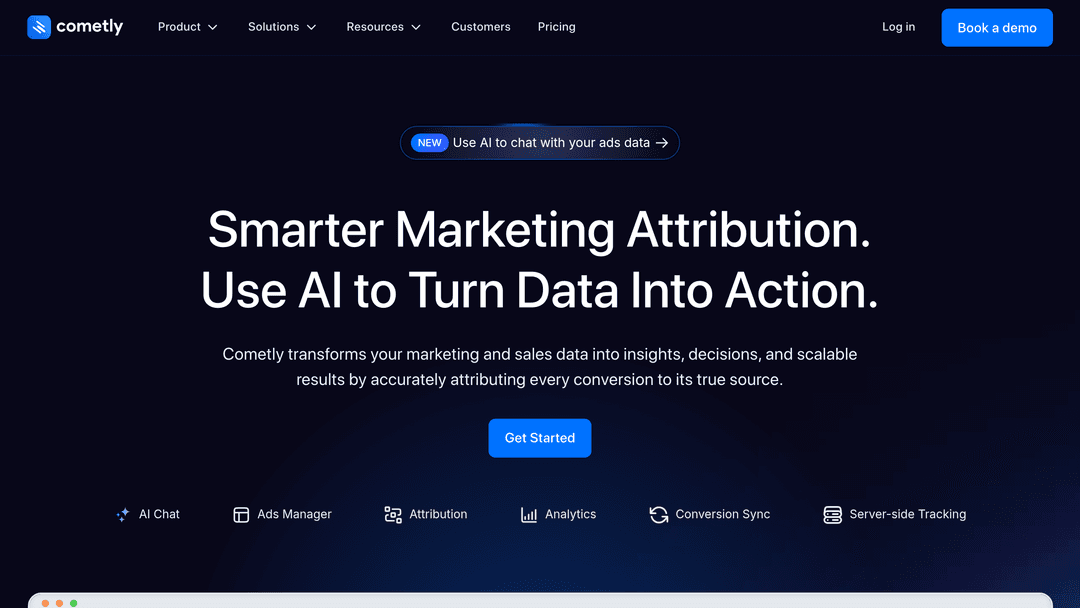
Cometly focuses on accurate conversion tracking and multi-touch attribution, helping advertisers understand the full customer journey from first click to final purchase. The platform tracks users across touchpoints, attributes revenue to the appropriate advertising sources, and provides clarity on which campaigns are genuinely driving profitable outcomes versus which are just taking credit for conversions that would have happened anyway. For teams running campaigns across Facebook, Google, TikTok, and other platforms simultaneously, this cross-platform view addresses the fundamental limitation of platform-native analytics—each platform's dashboard only shows its own contribution, often over-crediting its impact.
What makes Cometly particularly relevant for performance analytics is its focus on connecting advertising metrics to actual revenue outcomes. Rather than stopping at conversion tracking, the platform helps advertisers understand metrics like cost per acquisition at the revenue level, lifetime value by traffic source, and true ROAS across all advertising channels. This shifts the analytics conversation from "which ads got the most clicks" to "which advertising investments actually generated profitable customers"—a fundamentally different question that requires different measurement infrastructure.
For advertisers struggling with attribution challenges—particularly those running significant spend across multiple platforms or dealing with longer customer journeys—platforms like Cometly represent the evolution beyond basic platform dashboards. They don't replace your Facebook or Google analytics; they provide the integration layer that shows how all your advertising efforts work together to drive business outcomes. The investment in attribution-focused analytics makes most sense when your customer journeys involve multiple touchpoints and your current analytics can't clearly answer which channels deserve credit for conversions.
Start With Platform Native Analytics. Facebook Ads Manager, Google Ads, LinkedIn Campaign Manager—these built-in dashboards are your foundation. They're free, automatically updated, and provide the most granular data about performance within each platform. The limitation isn't data availability—it's cross-platform comparison and historical analysis. Use platform analytics for daily monitoring and campaign-specific optimization, but don't stop there.
Add Cross-Platform Intelligence. This is where third-party analytics platforms become valuable. Tools that aggregate data across advertising platforms, connect ad performance to website analytics, and provide historical trend analysis fill the gaps platform dashboards can't address. The key is choosing tools that integrate with your existing platforms without requiring manual data exports. If you're spending more than 30 minutes per week manually updating spreadsheets, your analytics stack is broken.
Connect To Business Outcomes. The most sophisticated analytics systems don't just track advertising metrics—they connect ad performance to actual business results. Which campaigns generated customers who made repeat purchases? Which audience segments delivered the highest lifetime value? Which creative variations attracted buyers versus browsers? This requires integration between your advertising analytics and your CRM or customer database, but it's the difference between optimizing for clicks and optimizing for profit.
For teams looking to streamline this entire process, exploring ppc automation tools can help bridge the gap between data collection and actionable optimization. The goal isn't to automate everything—it's to automate the repetitive analysis so you can focus on strategic decisions.
From Data To Decisions: The Analysis Framework That Actually Works
You've got the data. You've got the tools. Now what? This is where most analytics initiatives fail—not from lack of information, but from lack of a systematic framework for turning data into decisions. Raw metrics don't improve campaigns. Insights do. And insights require a structured approach to analysis.
The Comparison Method: Finding What Works By Contrasting What Doesn't. Every meaningful insight comes from comparison. A 3.2% CTR means nothing in isolation—but when you discover that carousel ads deliver 3.2% while single images deliver 1.8%, you've identified something actionable. The comparison method systematically contrasts performance across creative variations, audience segments, placements, devices, and time periods to identify what's working and what's failing. This isn't about finding the single best performer—it's about understanding the factors that correlate with success.
The Trend Analysis Method: Spotting Patterns Over Time. Single-day performance is noise. Weekly trends are signals. Monthly patterns are intelligence. Trend analysis looks beyond daily fluctuations to identify meaningful changes in performance over time. When ROAS gradually declines over three weeks, that's not random variation—it's a signal that audience fatigue, competitive pressure, or seasonal factors are impacting performance. When CTR spikes every Tuesday and Thursday, that's a pattern worth investigating and potentially optimizing around.
The Segmentation Method: Understanding Who Responds And Why. Aggregate metrics hide the truth. A 2.5% overall conversion rate might look mediocre until you discover that 25-34 year old women on mobile devices convert at 4.8% while all other segments average 1.2%. Segmentation analysis breaks down performance by audience characteristics, behaviors, and contexts to identify your highest-value segments and biggest optimization opportunities. This is where generic campaigns become targeted strategies.
These three methods work together. Comparison identifies what's working. Trend analysis reveals when patterns change. Segmentation explains who responds and why. Apply all three systematically, and you transform data into the kind of intelligence that actually improves campaign performance. Skip any one, and you're back to guessing with slightly better numbers.
The Testing Framework: How To Know What's Actually Working
Performance analytics without systematic testing is just sophisticated guessing. You can analyze historical data all day, but until you run controlled tests, you're identifying correlations, not causes. The difference matters. Correlation tells you that carousel ads and high CTR appear together. Causation tells you that switching to carousel format will actually improve your CTR. Only testing reveals causation.
The A/B Test: Isolating Single Variables. This is the foundation of performance testing—create two variations that differ in exactly one element, split traffic evenly between them, and measure which performs better. Test one creative variation against another. Test one headline against another. Test one audience segment against another. The key is changing only one variable at a time so you know exactly what caused any performance difference. A/B testing isn't glamorous, but it's the most reliable method for identifying what actually works.
The Multivariate Test: Understanding Interaction Effects. Sometimes variables interact in unexpected ways. A headline that works brilliantly with one image might fail completely with another. A call-to-action that converts well on mobile might underperform on desktop. Multivariate testing examines how different elements work together by testing multiple variations simultaneously. This is more complex than A/B testing and requires more traffic to reach statistical significance, but it reveals insights that sequential A/B tests would miss.
The Holdout Test: Proving Incremental Impact. This is the test most advertisers skip—and the one that reveals whether your optimization efforts actually matter. A holdout test compares optimized campaigns against a control group that receives no optimization. If your carefully optimized campaigns deliver 15% better ROAS than the unoptimized control, you've proven your optimization process works. If there's no significant difference, you've discovered that your "optimizations" are just expensive busywork. Holdout tests are humbling, but they're the only way to prove that your analytics-driven decisions actually improve outcomes.
Understanding how to create effective ad strategies means building testing into your process from the start, not treating it as an optional add-on. Every significant decision should be tested. Every optimization should be validated. Every assumption should be challenged with data.
Common Analytics Mistakes That Waste Money And Hide Truth
Even sophisticated advertisers make predictable analytics mistakes that undermine their entire optimization process. These aren't technical errors—they're conceptual misunderstandings about what analytics can reveal and how to interpret what you're seeing. Avoiding these mistakes is often more valuable than implementing advanced techniques.
Mistake #1: Optimizing For The Wrong Metric. You can dramatically improve CTR by using clickbait headlines and misleading creative. You can slash CPA by targeting audiences who click but never convert. You can boost ROAS by only targeting people already planning to buy. These optimizations improve the metric you're measuring while destroying actual business outcomes. The fix isn't better analytics—it's choosing the right metric to optimize. For most businesses, that's profit per customer or lifetime value, not CTR or CPA.
Mistake #2: Confusing Correlation With Causation. Your best-performing campaigns all use blue in the creative. Does that mean blue causes better performance, or do your best campaigns happen to use blue for unrelated reasons? Analytics reveals correlations constantly, but only testing proves causation. The mistake is acting on correlations as if they were proven causes, leading to optimization decisions based on coincidence rather than genuine insight.
Mistake #3: Ignoring Statistical Significance. Campaign A delivered 3.2% CTR. Campaign B delivered 2.9% CTR. Campaign A wins, right? Not if Campaign A only ran for two days with 500 impressions while Campaign B ran for two weeks with 50,000 impressions. Small sample sizes produce random variation that looks like meaningful differences. The fix is understanding statistical significance—the mathematical threshold that separates real patterns from random noise. Most platform dashboards don't calculate this automatically, which means most advertisers are making decisions based on meaningless fluctuations.
Mistake #4: Analysis Paralysis. You can always gather more data, run more tests, and analyze more segments. But at some point, additional analysis delivers diminishing returns while delaying action. The goal isn't perfect information—it's sufficient confidence to make better decisions than you would without analytics. Sometimes "good enough" data processed quickly beats "perfect" data that arrives too late to matter.
Advanced Techniques: Attribution, Incrementality, And Predictive Modeling
Once you've mastered the fundamentals, advanced analytics techniques can reveal insights that basic reporting completely misses. These aren't necessary for every advertiser, but for teams spending significant budgets or operating in competitive markets, they're the difference between good performance and exceptional results.
Multi-Touch Attribution: Understanding The Full Customer Journey. Most platform analytics use last-click attribution—giving full credit to whichever ad someone clicked immediately before converting. But customer journeys are rarely that simple. Someone might see your Facebook ad on Monday, click your Google search ad on Wednesday, and convert from a retargeting ad on Friday. Which ad "caused" the conversion? Multi-touch attribution models distribute credit across all touchpoints in the customer journey, revealing which channels and campaigns contribute to conversions even when they're not the final click. This completely changes how you evaluate channel performance and allocate budget.
Incrementality Testing: Measuring True Impact. Your retargeting campaigns show a 5x ROAS. Impressive, right? But what if 80% of those conversions would have happened anyway without the retargeting ads? Incrementality testing measures the true incremental impact of your advertising by comparing outcomes for people who saw your ads against a control group who didn't. This reveals whether your campaigns are generating new customers or just taking credit for conversions that would have occurred organically. It's often uncomfortable—many "high-performing" campaigns show minimal incremental impact—but it's the only way to know what's actually working.
Predictive Modeling: Forecasting Future Performance. Historical analysis tells you what happened. Predictive modeling tells you what's likely to happen next. By analyzing patterns in historical data, predictive models can forecast which audience segments are most likely to convert, which creative variations will perform best, and how performance will change as you scale budget. This isn't magic—it's applied statistics. But it transforms analytics from a rearview mirror into a forward-looking strategic tool. For advertisers exploring how to use AI to launch ads, predictive modeling is often the most immediately valuable application.
Building Your Analytics Workflow (The Weekly Routine That Actually Works)
Analytics isn't a one-time project—it's an ongoing practice. The difference between teams that get value from analytics and teams that drown in data usually comes down to workflow. You need a systematic routine for reviewing performance, identifying insights, and making decisions. Without structure, analytics becomes an overwhelming pile of dashboards you check randomly when something seems wrong.
Daily Monitoring: Catching Problems Early. This isn't deep analysis—it's a quick health check to ensure nothing is broken. Scan your key metrics (spend, conversions, ROAS) across all active campaigns. Look for dramatic changes or obvious anomalies. If spend suddenly doubles or conversions drop to zero, you need to know immediately, not three days later during your weekly review. Daily monitoring takes 10-15 minutes and prevents small problems from becoming expensive disasters.
Weekly Analysis: Identifying Trends And Opportunities. This is where real analytics work happens. Review performance across campaigns, compare current week to previous weeks, identify top and bottom performers, and look for patterns in what's working and what's failing. This isn't about making major strategic changes—it's about tactical optimization. Pause underperforming ad sets. Increase budget on winners. Test new creative variations based on what's working. Weekly analysis typically takes 1-2 hours and drives most of your ongoing optimization.
Monthly Strategic Review: Making Big Decisions. Once per month, step back from tactical optimization and look at the bigger picture. Are your campaigns achieving business goals? Which channels deliver the best overall ROAS? What patterns have emerged over the past month? What tests should you run next? This is where you make strategic decisions about budget allocation, audience targeting, and campaign structure. Monthly reviews take 2-4 hours but drive the decisions that actually move business outcomes.
The key is consistency. A mediocre analytics routine performed every week beats sophisticated analysis done randomly. Build the habit, and the insights follow naturally. For teams looking to improve their overall approach, exploring how to improve ad engagement provides additional frameworks that complement systematic analytics practices.
When To Automate And When To Analyze Manually
Automation is seductive—the promise of algorithms handling optimization while you focus on strategy. But automation without understanding is dangerous. The question isn't whether to automate, but what to automate and what requires human judgment.
Automate The Repetitive, Analyze The Strategic. Data collection, report generation, and basic performance monitoring are perfect for automation. These tasks are time-consuming, repetitive, and follow clear rules. Automated systems can track metrics, generate dashboards, and flag anomalies more consistently and efficiently than humans. But strategic decisions—which audiences to target, what creative directions to pursue, how to allocate budget across channels—require human judgment informed by analytics, not replaced by it.
The Automation Paradox: More Automation Requires Better Analytics. As you automate more of your advertising operations, analytics becomes more important, not less. Automated bidding algorithms need clear performance targets. Automated budget allocation needs accurate ROAS data. Automated creative testing needs proper measurement frameworks. The automation handles execution, but humans must define success metrics, set constraints, and interpret results. Poor analytics leads to automation optimizing for the wrong goals—efficiently driving your campaigns in the wrong direction.
The Human Advantage: Context, Creativity, And Causation. Algorithms excel at pattern recognition and optimization within defined parameters. Humans excel at understanding context, generating creative hypotheses, and identifying causation rather than just correlation. The most effective approach combines both: use automation for execution and routine optimization, use human analysis for strategy and creative direction. This isn't about humans versus machines—it's about using each for what they do best.
Your Next Steps: From Reading To Implementation
You've absorbed the concepts. You understand the frameworks. Now comes the hard part: actually implementing performance analytics in your advertising operations. Knowledge without action is just expensive entertainment.
Start With One Platform, One Metric. Don't try to build a comprehensive analytics system overnight. Pick your highest-spend advertising platform. Identify your most important business metric (usually ROAS or CPA). Build a simple tracking system that measures that one metric accurately. Get that working reliably before expanding to additional platforms or metrics. Complexity is the enemy of implementation—start simple and expand systematically.
Establish Your Baseline. Before you can measure improvement, you need to know where you're starting. Document current performance across your key metrics. This baseline becomes your reference point for evaluating whether your analytics-driven optimizations actually work. Without a baseline, you're just generating numbers with no context for whether they're good, bad, or meaningless.
Run Your First Test. Theory is worthless until you validate it with data. Identify one hypothesis about your advertising performance (carousel ads outperform single images, mobile users convert better than desktop, etc.). Design a simple A/B test to validate that hypothesis. Run the test properly with sufficient traffic and duration. Analyze the results honestly, even if they contradict your assumptions. This first test establishes your testing discipline and proves whether your analytics process actually generates actionable insights.
Build The Weekly Routine. Implementation fails without consistency. Block time on your calendar for weekly performance reviews. Create a simple checklist of metrics to review and questions to answer. Make this routine non-negotiable—the weekly review happens whether performance is good, bad, or boring. Consistency transforms analytics from an occasional project into a systematic practice that actually improves outcomes.
Performance analytics isn't a destination—it's a practice. You don't "finish" implementing analytics any more than you "finish" advertising. You build systems, establish routines, and continuously refine your approach based on what you learn. The teams that win aren't the ones with the most sophisticated tools or the biggest budgets—they're the ones who consistently measure what matters, test their assumptions, and make decisions based on evidence rather than intuition.
Start measuring. Start testing. Start making decisions based on data rather than guesses. Everything else is just preparation for the work that actually matters.
Ready to transform your advertising strategy? Get Started With AdStellar AI and be among the first to launch and scale your ad campaigns 10× faster with our intelligent platform that automatically builds and tests winning ads based on real performance data.