DTC brands run on creative output. The more you can produce, test, and iterate, the faster you find what converts. But the production workflow behind those creatives is where most teams quietly lose hours every week: briefing designers, writing copy variations, organizing assets, manually building campaigns, and waiting on approvals before anything goes live.
The tools in this list are built to fix that. Whether you're a solo founder managing your own Meta ads or a lean performance team scaling toward eight figures, these platforms cover every stage of the creative production workflow, from ideation and asset creation through to launch and optimization. Each was selected for its relevance to DTC advertising, Meta and Instagram ad support, ease of use for non-technical teams, and ability to cut production time without cutting creative quality.
AdStellar leads the list as the only platform that handles the full workflow end to end. But every tool here solves a real problem in the DTC creative process.
1. AdStellar
Best for: DTC brands that want one platform to handle creative production, campaign launch, and performance optimization.
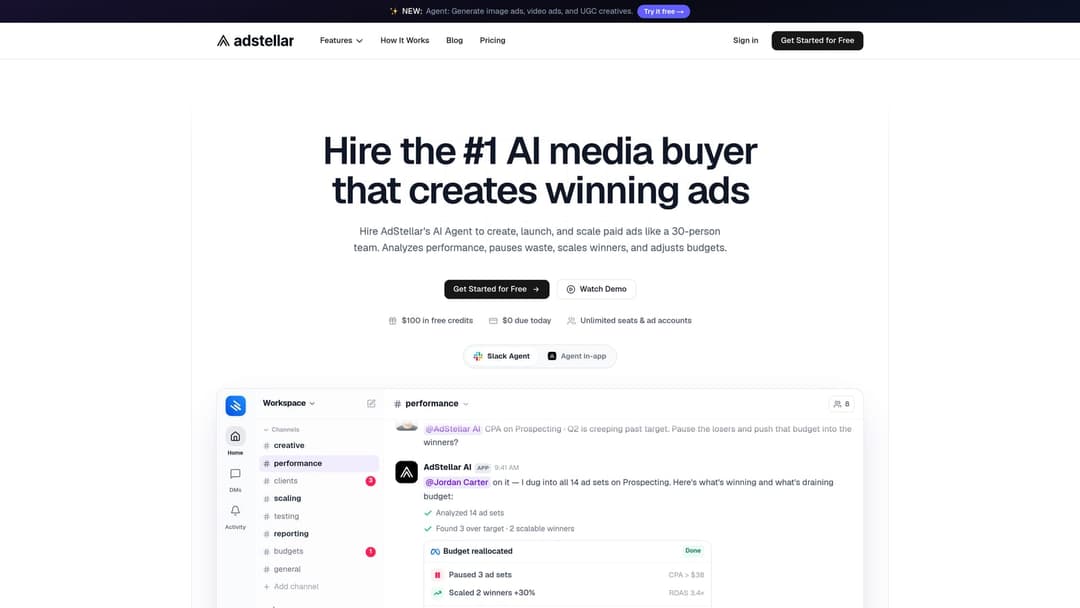
AdStellar is an AI-powered ad platform that generates image ads, video ads, and UGC-style creatives, then builds, launches, and optimizes Meta campaigns without requiring a designer, video editor, or separate analytics stack.
Where This Tool Shines
Most DTC teams use four or five tools to get a creative from concept to live campaign. AdStellar collapses that into one platform. You can start from a product URL, pull inspiration from competitor ads in the Meta Ad Library, generate creatives with AI, build a full campaign with AI-ranked audiences and copy, and push hundreds of ad variations live in minutes.
What sets it apart from standalone creative tools is the closed loop between production and performance. The AI Insights leaderboards score every creative, headline, audience, and landing page against your actual ROAS, CPA, and CTR benchmarks. The Winners Hub then consolidates your top performers so you can pull them directly into the next campaign instead of starting from scratch.
Key Features
AI Ad Creative: Generate image ads, video ads, and UGC-style avatar content from a product URL, competitor ad clone, or from scratch, with chat-based refinement to adjust any creative without a designer.
AI Campaign Builder: Analyzes your past campaigns and ranks every creative, headline, and audience by performance before assembling a complete Meta campaign with full strategic transparency.
Bulk Ad Launch: Mix multiple creatives, headlines, audiences, and copy variations to generate and push hundreds of ad combinations to Meta in clicks rather than hours.
AI Insights: Leaderboards score every asset against your ROAS, CPA, and CTR goals so you can instantly identify winners and cut underperformers.
Winners Hub: A consolidated view of your best-performing creatives, audiences, and copy, ready to pull into any new campaign without rebuilding from zero.
Best For
DTC founders and performance marketing teams who want to eliminate tool sprawl and close the gap between creative production and campaign performance. Especially strong for teams running high creative volume on Meta who can't afford to have production slow down testing velocity.
Pricing
Pricing is available on the AdStellar website. Plans are designed for DTC brands and performance marketing teams at various stages of scale.
2. Canva
Best for: DTC teams producing static ad creatives quickly without a dedicated graphic designer.
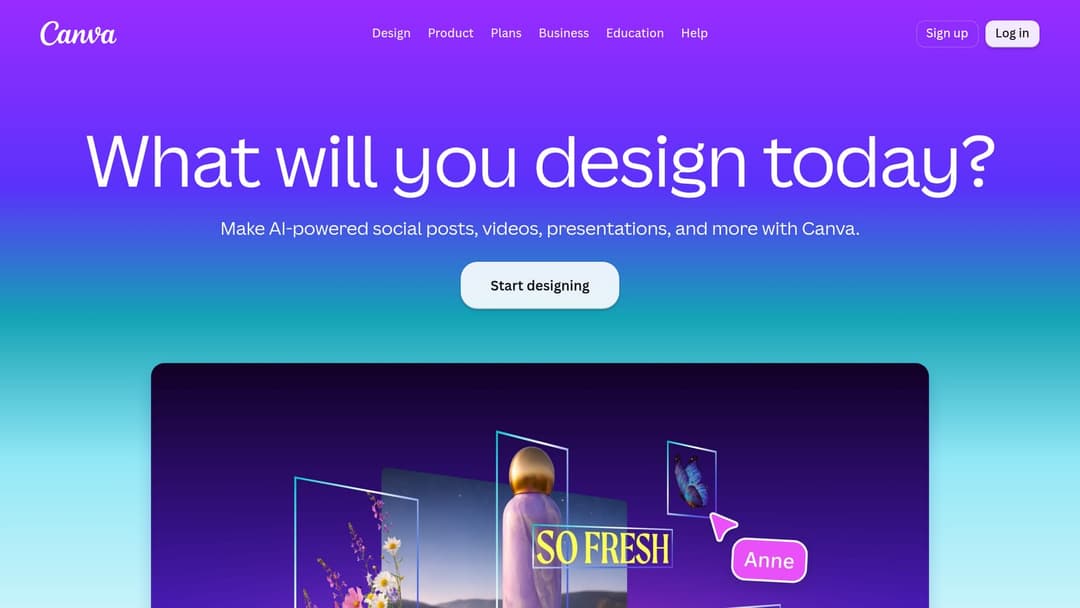
Canva is a visual design platform with an extensive library of Meta and Instagram ad templates, brand management tools, and team collaboration features for static creative production.
Where This Tool Shines
Canva's strength is accessibility. Any team member, regardless of design experience, can produce on-brand static ad creatives using pre-sized Meta templates and a drag-and-drop editor. The Brand Kit feature keeps fonts, colors, and logos consistent across every ad variant, which matters when you're producing high volume.
For DTC teams that need to move fast on static creative without hiring a designer or waiting on Figma files, Canva fills that gap well. It won't replace a professional designer for complex work, but for rapid iteration on image ads, it's genuinely useful.
Key Features
Meta Ad Templates: Thousands of pre-sized templates for Meta and Instagram ad formats, ready to customize with your brand assets.
Brand Kit: Stores your fonts, colors, and logos so every ad variant stays visually consistent without manual setup.
Team Collaboration: Approval workflows and shared workspaces on paid plans allow multiple team members to review and edit creatives.
AI Tools: AI image generation, background removal, and Magic Edit features for faster creative adjustments.
Export Options: Export directly in correct ad dimensions for Meta placements.
Best For
Solo founders, small DTC teams, and marketers who need to produce static ad creatives quickly without design expertise. Also useful for larger teams as a supplementary tool for rapid iteration on simple formats.
Pricing
Free plan available. Pro starts at approximately $15 per person per month. Teams plans are also available with additional collaboration features.
3. Motion
Best for: DTC performance teams that want to connect creative decisions to real ad performance data.
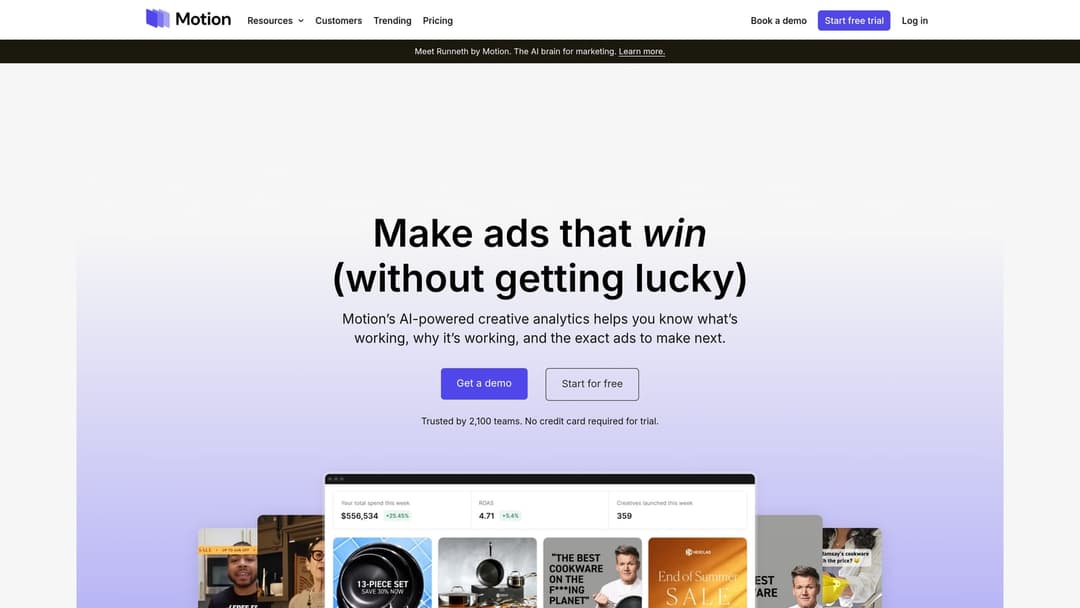
Motion is a creative analytics platform that links your ad assets directly to Meta performance data, helping DTC teams understand which creative concepts, formats, and hooks are actually driving results rather than guessing.
Where This Tool Shines
The gap between creative production and performance data is one of the most common frustrations in DTC marketing. Motion closes that gap by organizing your ad assets into a performance dashboard that shows you exactly which creative angles are resonating with your audience and which are draining budget.
Beyond reporting, Motion's concept-level analysis helps creative strategists identify patterns across campaigns. Instead of looking at individual ad performance in isolation, you can see whether a specific hook style, format, or visual approach consistently outperforms others. That insight feeds directly into better creative briefs.
Key Features
Creative Performance Dashboards: Surface your top and bottom performing ad assets with clear visual reporting tied to real Meta data.
Concept-Level Reporting: Identify which creative angles, hooks, and formats drive results across campaigns, not just individual ads.
Data-Driven Brief Builder: Create creative briefs informed by what's actually working in your account rather than assumptions.
Team Workspace: Share performance insights across creative strategists and media buyers to align production with what converts.
Meta Integration: Pulls live performance data directly from your Meta Ads account for up-to-date reporting.
Best For
DTC teams running significant creative volume on Meta who want to build a feedback loop between production and performance. Particularly valuable for creative strategists who need data to inform briefs and for media buyers who want cleaner creative reporting than Ads Manager provides.
Pricing
Tiered plans available. Pricing is listed on the Motion website based on team size and usage.
4. Pencil
Best for: DTC brands that want AI-generated ad creatives with built-in performance prediction before launch.
Pencil is an AI creative generation platform that produces video and static ad creatives and uses predictive scoring to estimate how a creative will perform before you spend a dollar testing it.
Where This Tool Shines
Pencil's differentiator is the predictive layer. Rather than generating creatives and hoping they work, Pencil scores each asset using AI trained on a large dataset of real ad performance results. That means you can prioritize which creatives to launch based on predicted outcomes rather than gut feel.
For DTC brands with limited testing budgets, this matters. Spending less on underperforming creative tests and more on assets with higher predicted scores can meaningfully improve how efficiently you find your winners.
Key Features
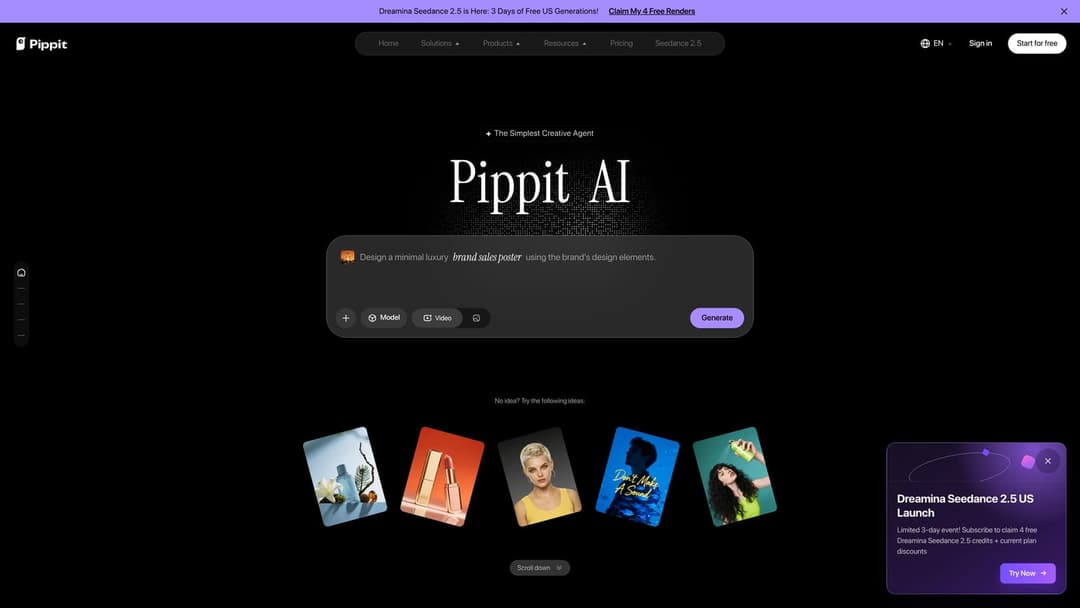
AI Creative Generation: Produces video and static ad creatives from your product information and brand assets without requiring design or editing skills.
Predictive Performance Scoring: Scores creatives before launch using AI trained on a large base of real ad results to help you prioritize what to test.
Meta Integration: Push approved creatives directly to Meta for campaign launch from within the platform.
Creative Analytics: Track predicted versus actual performance to refine the model's accuracy over time for your specific brand.
Brand Controls: Style and voice settings to keep AI-generated output consistent with your brand identity.
Best For
DTC brands that want to reduce wasted ad spend on underperforming creatives and use predictive data to prioritize their testing queue. Good fit for teams generating a moderate-to-high volume of AI creatives who want more signal before launch.
Pricing
Tiered plans based on ad spend. Current pricing is available on the Pencil website.
5. CapCut for Business
Best for: DTC brands producing Reels-style and UGC-format video ads without professional video editing skills.
CapCut for Business is a video editing platform with AI-powered features and social-first templates built for producing the kind of short-form video content that performs on Meta and Instagram without requiring a video editor.
Where This Tool Shines
UGC-style and Reels-format video ads have become a core part of the DTC creative mix on Meta. CapCut for Business makes producing that content fast and accessible. Auto-captions, background removal, and smart cut features handle the time-consuming parts of video editing automatically, so marketers can focus on the content rather than the technical production.
The AI avatar and text-to-video features are particularly useful for DTC brands that want UGC-style content without sourcing creators or managing a production shoot. The output won't always match genuine creator content in authenticity, but for rapid testing, it offers a meaningful shortcut.
Key Features
Social-First Templates: Pre-built video templates optimized for Meta and Instagram ad formats, including vertical Reels dimensions.
AI Editing Features: Auto-captions, background removal, and smart cut tools that automate the most repetitive parts of video editing.
AI Avatars and Text-to-Video: Generate UGC-style video content using AI avatars and scripted text without filming anything.
Asset Library: Royalty-free music, sound effects, and visual effects for polished output without licensing concerns.
Team Collaboration: Business account features for managing projects and assets across a team.
Best For
DTC brands and lean marketing teams that need to produce short-form video ad content at volume without a video editor or production budget. Strong for brands leaning into Reels-style formats on Instagram and Facebook.
Pricing
Free tier available. Business plans with expanded features are available on the CapCut for Business website.
6. Foreplay
Best for: DTC creative strategists who want to turn competitor ad research into structured, actionable creative briefs.
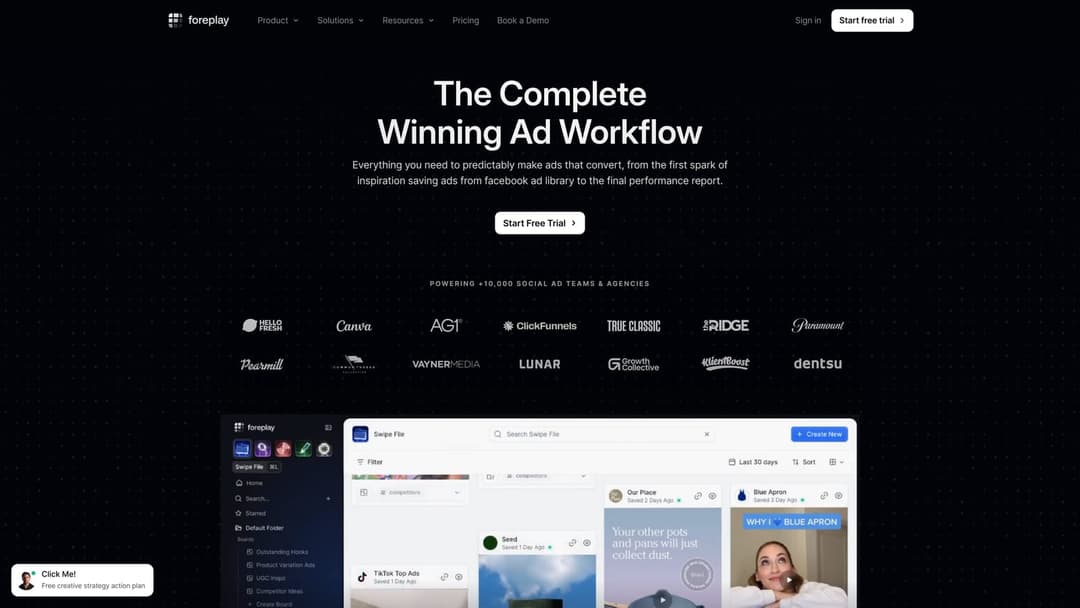
Foreplay is an ad research and creative briefing platform that lets DTC teams save competitor ads from the Meta Ad Library, organize them into boards, and transform that inspiration into structured briefs for designers or AI tools.
Where This Tool Shines
Creative briefs are often the weakest link in the DTC production workflow. Foreplay addresses this by connecting the research phase directly to the briefing phase. Instead of screenshotting competitor ads into a Notion doc and hoping the brief makes sense to a designer, you can build structured briefs from saved ad references with clear creative direction attached.
The competitor tracking feature is also genuinely useful for DTC teams that want to monitor what other brands in their category are running over time. Patterns in competitor creative strategy often reveal what's working in a market before your own testing data does.
Key Features
Swipe File Boards: Save and organize ads from the Meta Ad Library and other ad networks into categorized boards for easy reference.
Brief Builder: Transform saved ads into structured creative briefs with clear direction for designers or AI creative tools.
Competitor Tracking: Monitor what other DTC brands in your category are actively running on Meta over time.
Team Sharing: Share boards and briefs across creative strategists, designers, and media buyers to keep everyone aligned.
AI Brief Generation: AI-assisted brief creation from saved ad inspiration to speed up the briefing process.
Best For
Creative strategists and performance marketers at DTC brands who want a structured system for ad research and briefing. Particularly valuable for teams working with freelance designers or external creative partners who need clear, reference-backed briefs.
Pricing
Tiered plans available. Current pricing is listed on the Foreplay website.
7. Figma
Best for: DTC teams with in-house or freelance designers producing ad variants at scale with collaborative review workflows.
Figma is the industry-standard collaborative design tool used by DTC teams for producing ad variants, maintaining component libraries, and managing the handoff between designers and marketers.
Where This Tool Shines
When you have a designer involved in your creative production, Figma is where the work happens. Component libraries let you build a system of reusable brand elements so producing a new ad variant doesn't require rebuilding from scratch every time. Frames set to exact Meta ad dimensions mean assets are production-ready from the start.
The collaborative review features, commenting, approval workflows, and real-time co-editing, reduce the back-and-forth that typically slows down the designer-to-marketer handoff. For DTC teams producing a high volume of creative variants, that efficiency compounds quickly.
Key Features
Component Libraries: Reusable brand elements that enable consistent, scalable ad variant production without redundant design work.
Ad-Sized Frames: Frames and grids preset to exact Meta ad dimensions so every asset is correctly sized from the start.
Commenting and Approval: Inline commenting and approval workflows for creative review without leaving the design environment.
Prototyping: Present ad concepts interactively before committing to full production.
Plugin Ecosystem: A large library of plugins for exporting ad-ready assets, generating content, and connecting to other tools in the workflow.
Best For
DTC brands with at least one designer on the team, whether in-house or freelance, who need a professional design environment with strong collaboration and version control. Less relevant for teams relying entirely on AI creative generation.
Pricing
Free starter plan available. Professional plan is approximately $15 per editor per month. Organization plans are available for larger teams.
8. Smartly
Best for: Larger DTC brands and agencies managing significant ad budgets across Meta and multiple other paid channels simultaneously.
Smartly is an enterprise-grade creative automation and campaign management platform that handles dynamic creative optimization, multi-platform ad management, and creative analytics at scale.
Where This Tool Shines
Smartly operates at a different level of scale than most tools on this list. Its dynamic creative optimization automatically assembles and tests ad variants by mixing creative components, headlines, and audience segments, then shifts spend toward what's working without manual intervention. For brands running complex, high-volume campaigns across Meta, Pinterest, Snapchat, and other channels simultaneously, that automation is a significant operational advantage.
The dynamic data feed capability is particularly powerful for DTC brands with large product catalogs. You can build creative templates that automatically populate with product-specific imagery, pricing, and copy, enabling personalized ad experiences at a scale that would be impossible to manage manually.
Key Features
Dynamic Creative Optimization: Automatically assembles and tests ad variant combinations, then shifts budget toward top performers.
Multi-Platform Management: Run and manage campaigns across Meta, Pinterest, Snapchat, and other channels from a single interface.
Creative Analytics: Audience-level performance breakdowns that reveal which creative elements resonate with specific segments.
Automated Budget Rules: Automated budget management and bid optimization based on performance thresholds.
Dynamic Data Feeds: Creative templates that pull product-level data to generate personalized ads at scale across large catalogs.
Best For
Established DTC brands and performance agencies managing large ad budgets across multiple platforms who need enterprise-level creative automation and campaign management. Not a practical fit for early-stage brands or teams with limited ad spend.
Pricing
Enterprise pricing. Contact the Smartly team directly for a quote based on your ad spend and requirements.
9. Air
Best for: DTC creative and marketing teams that need a smarter system for organizing, versioning, and reusing ad assets across campaigns.
Air is a visual digital asset management platform built for creative teams who need to find, review, and reuse ad assets without digging through disorganized Google Drive folders or Dropbox archives.
Where This Tool Shines
As DTC brands scale their creative output, asset management becomes a genuine operational problem. Finding the right version of a creative, tracking which assets have been approved, and knowing which visuals have already been used in past campaigns all take time when your storage system isn't built for it. Air solves this with a visual-first workspace where assets are easy to browse, tag, and retrieve.
The version control feature is particularly useful for teams that iterate heavily on creatives. Instead of a folder full of files named "final," "final2," and "final-ACTUAL-FINAL," Air tracks creative iterations cleanly so you can always find the right version and understand its history.
Key Features
Visual-First Workspace: Browse and find ad assets visually rather than hunting through file names in a traditional folder structure.
Smart Tagging and AI Search: AI-powered tagging and search that makes finding specific assets fast even across large creative libraries.
Version Control: Track every iteration of a creative without losing previous versions or creating file-naming chaos.
Review and Approval Workflows: Inline commenting on assets for structured creative review without email chains.
Integrations: Connects with design tools and cloud storage platforms to fit into existing production workflows.
Best For
DTC brands that have accumulated a significant library of ad assets and need a better system for organizing, reviewing, and reusing them. Particularly valuable for teams working across multiple campaigns simultaneously where asset version control matters.
Pricing
Tiered plans based on storage and team size. Current pricing is available on the Air website.
Which Tool Is Right for Your DTC Team?
The right combination depends on where your biggest production bottleneck actually sits. Here's a quick way to think through the match.
If you want one platform that handles everything: AdStellar is the only tool on this list that covers creative generation, campaign building, bulk launch, and performance analytics in a single workflow. If tool sprawl is your problem, this is where to start.
If you have a designer but need better collaboration: Figma for production, Foreplay for research and briefing, and Motion for closing the loop with performance data is a strong combination for teams with design resources.
If you're producing mostly video and UGC content: CapCut for Business handles fast video production, and Pencil adds predictive scoring if you want to prioritize which videos to test first.
If static creative is your primary format: Canva works well for teams without design skills, while Figma is the better choice when a designer is involved.
If you're managing a large creative library across multiple campaigns: Air solves the asset management problem that quietly slows down teams producing high creative volume.
If you're running enterprise-scale spend across multiple channels: Smartly is built for that level of complexity, though it comes with enterprise pricing to match.
The broader trend in DTC creative production is moving toward consolidation. Fewer handoffs, fewer tools, and tighter feedback loops between what gets produced and what actually converts. For teams ready to collapse the full workflow into one place, Start Free Trial With AdStellar and launch and scale your ad campaigns faster with an intelligent platform that automatically builds and tests winning ads based on real performance data.