In 2026, the battle for audience attention on platforms like Meta is won or lost in seconds. A generic video no longer cuts it; success demands a strategic blend of psychology, creative skill, and data-backed optimization. But what truly separates a video ad that gets scrolled past from one that drives millions in revenue? The answer isn't a big budget or slick production. It's about choosing the right type of video for your specific objective and audience.
This guide dissects eight powerful video ad example archetypes that are currently dominating paid social and display. We move beyond surface-level analysis, breaking down the strategic elements of each ad: the hook that grabs attention, the core business objective, the specific creative choices, and the measurable outcomes they produced. You will find actionable takeaways, swipe-copy ideas, and clear instructions on how to replicate these winning formats at scale, turning inspiration into a repeatable system for growth.
By examining a strong video ad example from each category-from User-Generated Content (UGC) to polished product demos-you will gain a concrete blueprint for building your next breakthrough campaign. Whether you're a direct-to-consumer brand, a B2B SaaS company, or a mobile app marketer, these examples provide the tactical insights needed to stop the scroll and start converting.
1. Short-Form Video Ads (15-30 seconds)
Short-form video ads are the bedrock of modern social media advertising, built for speed and impact. These concise, snappy videos, typically running between 15 and 30 seconds, are designed to capture attention immediately within fast-scrolling feeds on platforms like Instagram Reels, TikTok, and Facebook. Their primary strength lies in their ability to deliver a compelling message quickly, making them a perfect video ad example for mobile-first audiences with limited attention spans.
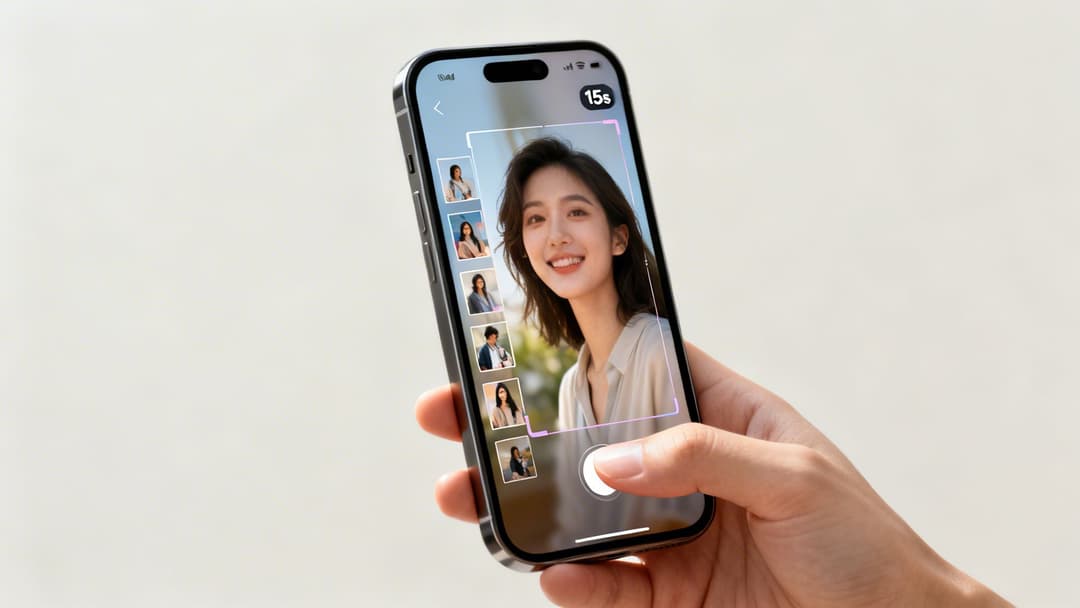
These ads work because they feel native to the platform, often mimicking the style of organic user-generated content (UGC). This helps them blend in, reducing viewer resistance and encouraging engagement. Brands like Glossier excel at this, using 15-second Reels to showcase product texture and application in a way that feels authentic, not overtly commercial. Similarly, DTC beauty brands like Olaplex use fast-paced transformation videos to demonstrate their product's value in a visually satisfying loop.
Why This Format Works
The effectiveness of short-form video is rooted in its alignment with user behavior on social platforms. Viewers are conditioned to consume content in quick bursts, and this format respects their time.
- Objective: Primarily for top-of-funnel brand awareness and mid-funnel consideration. They are also highly effective for direct response campaigns aiming for quick conversions, such as flash sales.
- Creative Elements: Success hinges on a strong visual hook, rapid pacing, clear text overlays, and a soundtrack that complements the message. The creative should be optimized for sound-off viewing, as many users browse without audio.
- Hook & CTA: The first three seconds are critical. You must present the most compelling visual or state the core benefit immediately. Common hooks include a problem-solution setup or a surprising product demonstration. The call-to-action (CTA) should be direct and simple, such as "Shop Now" or "Learn More."
Actionable Takeaways & Repurposing
To scale this format, focus on creating multiple variations around a core concept. Test different hooks, visuals, and CTAs to identify the highest-performing combination.
Consider how Dollar Shave Club repurposed its famous long-form launch video into punchy 30-second clips for social media, each highlighting a different value proposition. You can apply this strategy by taking longer content like webinars or customer testimonials and editing them into bite-sized ads. For optimal performance across placements, make sure your assets adhere to platform specifications; you can find a detailed guide on video ad dimensions to ensure your content is properly formatted. Using a tool like AdStellar AI, you can generate 8-12 variations from a single concept, allowing for rapid A/B testing and creative optimization at scale.
2. User-Generated Content (UGC) Video Ads
User-Generated Content (UGC) video ads feature authentic content from real customers or creators, replacing polished brand production with genuine testimonials and product demonstrations. This format thrives by leveraging social proof and relatability, appearing as organic reviews or unboxing videos that feel native to platforms like Instagram and TikTok. Their strength is in their authenticity, which helps dismantle viewer skepticism and makes them a powerful video ad example for building trust and driving conversions.
These ads work because they mirror the content users already consume and trust from peers and influencers. This non-intrusive style makes them exceptionally effective. Brands like Warby Parker showcase customer "Home Try-On" testimonials, while Fashion Nova repurposes customer styling videos directly into their paid campaigns. This approach turns satisfied customers into a brand's most convincing advocates, lowering creative production costs while boosting credibility.
Why This Format Works
The power of UGC is rooted in its ability to provide authentic social proof. Viewers are more likely to trust recommendations from a peer than a direct brand message, making this format feel less like an advertisement and more like a trusted tip.
- Objective: Excellent for mid-funnel consideration and bottom-funnel conversion. UGC builds the confidence needed for a purchase and is highly effective for direct response campaigns aiming for immediate sales.
- Creative Elements: Success depends on the authenticity of the creator and the clarity of their message. The creative can range from raw, phone-recorded clips to more polished influencer content. Text overlays highlighting key benefits or quotes are crucial for sound-off viewing.
- Hook & CTA: The hook is the customer's genuine reaction or a clear depiction of the problem the product solves. An unboxing video's initial "wow" moment or a testimonial starting with "I was skeptical, but..." can be very effective. The CTA should feel like a natural next step, such as "See More Reviews" or "Try It For Yourself."
Actionable Takeaways & Repurposing
To scale UGC, create a system for sourcing and managing creator content. Partner with micro-influencers and establish clear usage rights agreements upfront, specifying their use in paid ads to avoid future legal issues.
Rotate creators and content styles monthly to maintain freshness and prevent ad fatigue. You can test testimonial-style videos against product demonstrations to see what resonates with your audience. Many direct-to-consumer brands have built their growth on this principle; you can discover more by reading about effective DTC marketing strategies. For efficient testing, use a tool like AdStellar AI to automate the process of pairing different UGC clips with unique ad copy, headlines, and calls-to-action, allowing you to quickly identify winning combinations at scale.
3. Product Demo & How-To Video Ads
Product demo and how-to video ads educate audiences by showing a product in action. Instead of just telling viewers what a product does, these ads demonstrate its value by showcasing key features, solving a specific problem, or walking through a process step-by-step. This format is a powerful video ad example for building trust and proving a product’s effectiveness, making it ideal for B2B SaaS, complex consumer electronics, and any brand whose value isn't immediately obvious from a static image.
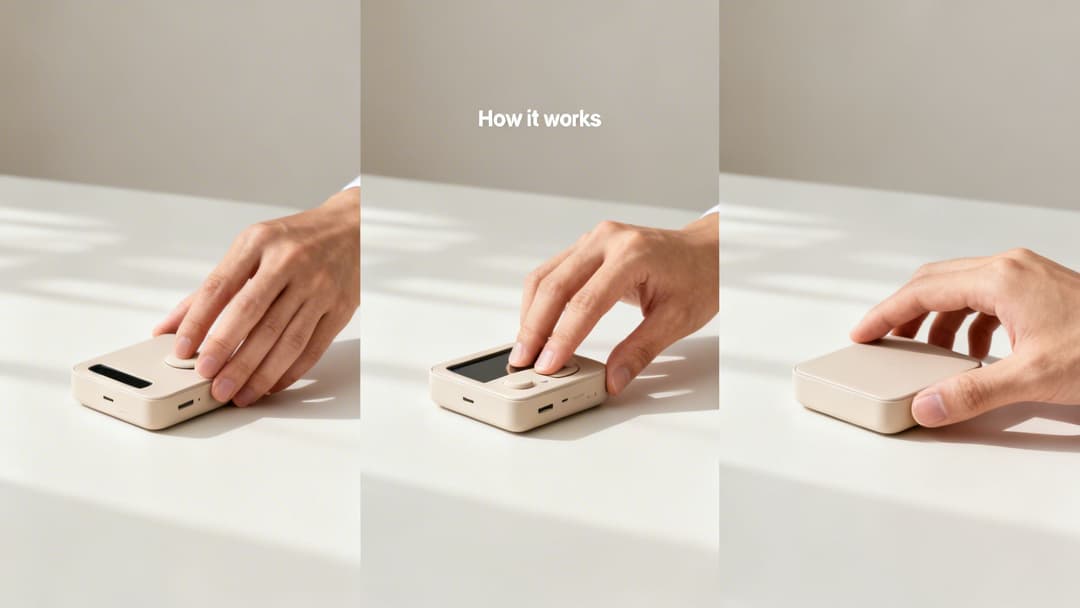
These ads succeed because they directly address the viewer's core question: "How does this work for me?" B2B companies like Slack and Monday.com use screen-recorded demos to illustrate how their software simplifies complex workflows. In the consumer space, brands like Dyson masterfully demonstrate the superior performance of their vacuums or hair tools, making the benefits tangible. The key is to focus on the outcome and the user experience, not just the features themselves.
Why This Format Works
Product demos build confidence and reduce purchase anxiety by clearly communicating value. They move prospects from curiosity to conviction by showing, not just telling, what your product can accomplish.
- Objective: Primarily for mid-funnel consideration and bottom-funnel conversion. They help qualified leads understand the product's practical application, pushing them toward a purchase or trial.
- Creative Elements: Success requires a clear screen recording or clean product shot, concise text overlays highlighting key benefits, and a voiceover or captions that guide the viewer. The pacing should be deliberate enough to be understood but quick enough to maintain engagement.
- Hook & CTA: A strong hook starts with the customer's pain point. For example, "Tired of messy spreadsheets?" before showing a software solution. The call-to-action should be specific to the next step in the journey, like "Start Your Free Trial" or "See It in Action."
Actionable Takeaways & Repurposing
To create compelling demos, focus on a single, high-impact use case. Instead of trying to show every feature, create separate ads for each core benefit to appeal to different audience segments.
This approach allows for precise targeting and clear messaging. For example, a SaaS company can take a full-length webinar and slice it into multiple 60-second ads, each demonstrating a different feature-benefit combination. A brand like Philips could create one demo showing teeth whitening results and another focusing on gum health. Using a tool like AdStellar AI, you can produce several variations of a single demo, testing different problem-focused hooks or benefit-driven CTAs to find the most effective combination for your audience.
4. Story-Driven / Narrative Video Ads
Story-driven video ads move beyond direct selling to forge a deeper, emotional bond with the audience. These longer-form advertisements, often running 60 to 90 seconds, use character-driven narratives, conflict, and resolution to tell a compelling story. The goal is to connect with viewers on a human level, aligning the brand with core values like inspiration, belonging, or perseverance, making this a powerful video ad example for building brand affinity.
This format prioritizes emotion over features, weaving the brand's message into a relatable scenario. Brands like Nike have perfected this with campaigns such as "Find Your Greatness," which focuses on the inspirational journeys of everyday athletes. Similarly, Dove’s "Real Beauty" campaign uses authentic stories to champion self-esteem, creating a strong brand identity that resonates far beyond a simple bar of soap. The product becomes the vehicle for a larger, more meaningful message.
Why This Format Works
Narrative ads are effective because they tap into the fundamental human desire for stories and connection. By building an emotional arc, they can hold attention for longer and create a lasting impression that transcends a single campaign.
- Objective: Primarily for top-of-funnel brand awareness and building long-term brand loyalty. They excel at communicating a brand's mission and values, fostering a community around shared beliefs.
- Creative Elements: Success relies on a strong character or relatable situation, expert cinematography, and an evocative soundtrack to enhance the emotional journey. The brand's role should feel organic to the story, not like a forced interruption.
- Hook & CTA: The first five seconds must introduce a compelling character or an intriguing conflict to capture viewer interest. The CTA is often subtle, aiming to associate the brand with the story's positive resolution rather than an immediate action. A common closing is a simple brand logo with a memorable tagline.
Actionable Takeaways & Repurposing
The core of a successful narrative ad is authenticity. Your story must align with your brand's genuine values to connect with viewers and avoid sounding disingenuous.
To scale this approach, develop multiple story concepts that explore different facets of your brand's core message. Patagonia does this by creating various films about environmental activism, each reinforcing its commitment to the planet. You can test different narrative angles-such as humor, inspiration, or empathy-with distinct lookalike audience segments to see which story resonates most. To better understand the emotional triggers that make these ads work, you can explore the principles behind the psychology of advertising. Using a tool like AdStellar AI, you can generate variants by testing different emotional hooks or character introductions for the same core narrative.
5. Carousel / Interactive Video Ads
Carousel ads transform a single ad placement into a multi-card, interactive experience. These units allow users to swipe through a series of videos or images, each with its own headline, description, and call-to-action. Native to Meta platforms like Instagram and Facebook, carousels are a powerful video ad example for showcasing multiple product variations, features, or customer testimonials sequentially, encouraging deeper user exploration and engagement.
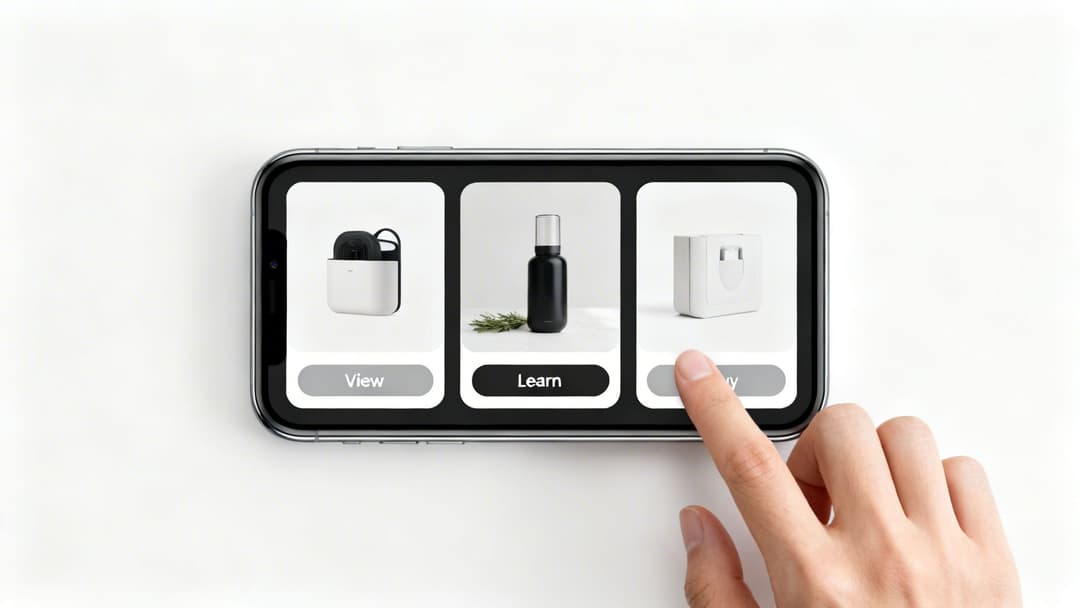
This format is exceptionally effective for e-commerce and retail brands. For example, Nike often uses carousels to feature different shoe models and colorways in a single ad, while Sephora can showcase various foundation shades with video swatches. This gives consumers a mini-browsing session directly within their feed, moving them closer to a purchase decision without ever leaving the platform.
Why This Format Works
Carousel ads succeed by combining storytelling with product discovery in a format that invites interaction. They give you more creative real estate to present a complete picture of your offering, moving a user from awareness to consideration within one ad unit.
- Objective: Ideal for mid-funnel consideration and bottom-funnel conversions. They work well for driving product catalog sales, highlighting multiple benefits of a service, or telling a sequential story.
- Creative Elements: Success depends on a strong lead card that grabs attention. Each subsequent card should build on the previous one, maintaining consistent branding while offering new information. Using a mix of video and static images can keep the experience dynamic.
- Hook & CTA: The first card must present your most compelling product, offer, or visual. Each card can have a unique CTA, allowing you to direct users to specific product pages. For example, a "Shop Style 1" button on the first card and "Shop Style 2" on the second.
Actionable Takeaways & Repurposing
To make your carousels effective, always place your highest-performing creative or best-selling product in the first card to maximize engagement. Test different card sequences to see what drives the best results.
Think about how MVMT Watches combines product shots with customer testimonials in their carousels. You can apply this by pairing a short video of your product in use with a static image card featuring a glowing five-star review. This blends social proof with product demonstration. For more detailed strategies, you can find helpful tips for carousel Instagram ads to fine-tune your approach. With a tool like AdStellar AI, you can generate multiple card variations to A/B test different sequences, messaging, and visuals, quickly identifying the combination that drives the most clicks and conversions.
6. Testimonial & Case Study Video Ads
Testimonial and case study video ads convert your happiest customers into your most powerful marketing assets. This format builds trust and credibility by showcasing real-world success stories, providing the social proof needed to sway prospects. Ranging from 30-second soundbites to longer two-minute deep dives, these videos are an excellent video ad example for moving leads through the consideration and decision stages of the sales funnel, especially for B2B or high-ticket items.
These ads work by replacing a direct sales pitch with authentic peer-to-peer validation. Enterprise SaaS companies like HubSpot and Salesforce have perfected this, featuring customers from well-known brands discussing concrete ROI. Similarly, companies in the home services space like ServiceTitan use videos of their clients explaining how the software helped their business grow, adding a layer of authenticity that is difficult to replicate with other ad types. The focus is on quantifiable results and genuine satisfaction.
Why This Format Works
The power of testimonial videos lies in their ability to address specific pain points and offer a proven solution, told from a relatable perspective. This builds confidence and reduces perceived risk for potential buyers, making it highly effective for products with a longer sales cycle.
- Objective: Primarily for mid-funnel consideration and bottom-funnel conversion. They are critical for building trust, validating product claims, and accelerating purchase decisions.
- Creative Elements: Success depends on featuring credible customers, ideally from recognizable companies. The video should lead with quantifiable results (e.g., "% increase," "$ saved"), include the customer's name, title, and company for context, and use B-roll footage of the product in action to maintain visual engagement.
- Hook & CTA: The hook should be a powerful, result-oriented quote from the customer, such as "We saved 20 hours a week" or "Our revenue increased by 40%." The call-to-action should guide viewers to the next logical step, like "See More Stories," "Get a Demo," or "Read the Case Study."
Actionable Takeaways & Repurposing
To create compelling testimonial ads, focus on one clear transformation per video. Instead of a general overview, have the customer detail a specific problem and how your product provided the exact solution.
You can repurpose a single 5-minute customer interview into multiple assets. Edit it down to a 90-second detailed case study for LinkedIn, create a 30-second version with the most impactful quote for Facebook feeds, and pull a 15-second "quick win" clip for Instagram Reels or Stories. This strategy maximizes the value of each customer story. When creating these variations, a tool like AdStellar AI can help generate different versions with unique hooks and text overlays to test which message resonates most with your audience.
7. Behind-the-Scenes (BTS) & Brand Culture Video Ads
Behind-the-scenes video ads pull back the curtain, offering an authentic glimpse into a company's inner workings, production processes, and team dynamics. This format is designed to humanize a brand, moving beyond polished marketing to build a genuine community connection. By showcasing the people, values, and real-world efforts behind a product or service, these ads foster trust and loyalty. They serve as a powerful video ad example for brands wanting to connect with culture-conscious audiences who value transparency.
These ads are effective because they feel less like an advertisement and more like a documentary snippet. Their unpolished, often casual style makes them highly relatable and memorable. Brands like Allbirds have successfully used BTS content to tour their factories and demonstrate their commitment to sustainable materials. Similarly, Warby Parker often shares videos highlighting its team culture and social impact missions, reinforcing its brand identity as more than just an eyewear company.
Why This Format Works
The power of BTS content is rooted in its authenticity. Viewers are tired of slick, impersonal corporate messaging, and this format provides a refreshing, trustworthy alternative that builds brand affinity.
- Objective: Primarily for mid-funnel brand building and bottom-of-funnel loyalty. They work to deepen the relationship with existing audiences and convince prospects who are on the fence by showing the brand's true character.
- Creative Elements: Success depends on genuine, unscripted moments. Feature diverse team members, show the actual workspace or production line, and don't be afraid to show imperfections. Captions and text overlays are key for adding context and reinforcing the brand mission, especially for sound-off viewing.
- Hook & CTA: The hook is often a question like "Ever wonder how it's made?" or a direct introduction to a team member. The goal is to spark curiosity about the people behind the brand. The CTA is typically softer, encouraging engagement or exploration, such as "Meet Our Team" or "Learn Our Story."
Actionable Takeaways & Repurposing
To make this format scalable, create a content calendar that rotates through different departments, team members, or production stages. This ensures a steady stream of fresh, authentic content without overburdening any single team.
Think about how Patagonia features its environmental activists and employees in the field. You can apply this by turning an internal company update or a new hire's first week into a short, engaging ad. Take longer-form content, such as a company town hall or a "day in the life" vlog, and cut it into several distinct BTS clips for social channels. Using a tool like AdStellar AI, you can generate multiple variations from one BTS shoot, testing which team stories or process details resonate most with your audience.
8. Performance-Optimized Template Ads (Dynamic Creative)
Performance-optimized template ads represent a systematic, data-driven approach to ad creation. Instead of producing one-off videos, this method involves building a library of modular components like hooks, product shots, and calls-to-action. These assets are then assembled into templates that can be programmatically combined, creating dozens or even hundreds of variations for testing. This is a powerful video ad example of scaling creative output while optimizing for performance.
This strategy is the engine behind technologies like Meta's Advantage+ Creative and Google's Performance Max. These platforms use dynamic creative optimization (DCO) to automatically mix and match headlines, videos, images, and copy. The algorithm then serves the most effective combination to specific audience segments, learning and improving over time to maximize results. Performance marketing agencies frequently use this method to manage ad variations for numerous brands efficiently.
Why This Format Works
The power of this format is its ability to learn and adapt at a scale humans cannot match. It automates the tedious process of A/B testing, finding winning combinations of creative elements and audience segments much faster than manual campaign management.
- Objective: Primarily focused on bottom-of-the-funnel conversions and ROAS (Return on Ad Spend). It is the go-to strategy for e-commerce stores looking to scale sales and for any performance-driven campaign where efficiency is paramount.
- Creative Elements: Success depends on the quality and variety of the modular assets. Key elements include a library of diverse hooks (problem-focused, benefit-led, user-generated), multiple product shots or service demonstrations, different background music tracks, and clear, varied CTA text overlays.
- Hook & CTA: The system tests multiple hooks to find what best captures attention for different audiences. CTAs are also dynamic, with the algorithm selecting "Shop Now," "Learn More," or "Sign Up" based on which text is most likely to drive a click for that specific user.
Actionable Takeaways & Repurposing
The core principle here is to move from creating individual ads to building a system for creative production. Your focus shifts to supplying the machine with high-quality, diverse inputs.
Start by building an asset library. Aim for at least 10 different hooks, 5 unique transitions, 10 distinct product shots, and 5 varied CTAs. Test these modular components individually first to establish baseline performance before loading them into a DCO system. You can learn more about how dynamic creative optimization works to understand the underlying mechanics.
To apply this, organize your assets by performance into tiers like "gold," "silver," and "bronze" to inform template selection. This ensures your best creative is always in rotation. A tool like AdStellar AI is built for this exact purpose, allowing you to generate numerous ad variations from a single concept and use performance data to fuel ongoing optimization cycles. Regularly refresh this library with new creative to prevent audience fatigue.
8 Video Ad Formats Comparison
| Ad Type | Implementation complexity | Resource requirements | Expected outcomes | Ideal use cases | Key advantages |
|---|---|---|---|---|---|
| Short-Form Video Ads (15–30s) | Low–Medium — fast production but tight creative | Mobile shoots, short edits, multiple variations for testing | High engagement & completion; quick performance signals | Social feeds, flash sales, rapid testing for DTC | Low cost per asset, scalable A/B testing, strong feed performance |
| User-Generated Content (UGC) Video Ads | Low production, Medium management (vetting & rights) | Sourcing UGC, rights agreements, light editing | High trust and engagement; strong ROAS for e‑commerce | Social proof campaigns, DTC growth, community-driven ads | Authenticity, low talent cost, higher credibility and engagement |
| Product Demo & How-To Video Ads | Medium–High — requires clear scripting and structure | Quality recording/screen capture, subject experts, editing | Improved conversion and reduced hesitation for informed buyers | B2B SaaS, feature-rich products, consideration-stage audiences | Educates buyers, demonstrates value, strong intent conversion |
| Story-Driven / Narrative Video Ads | High — cinematic direction and longer production timeline | Professional production, talent, locations, music, post‑prod | Strong brand affinity, awareness, shareability; long-term equity | Brand-building, values-driven campaigns, premium positioning | Deep emotional connection, memorable storytelling, viral potential |
| Carousel / Interactive Video Ads | Medium — multi-asset creation and ad setup complexity | Multiple clips/images (3–10), sequencing, mobile optimization | Higher engagement and exploration; users self-segment by interest | E‑commerce collections, multi‑SKU promotions, catalog browsing | Showcases range in one unit, cost-effective multi-product exposure |
| Testimonial & Case Study Video Ads | Medium–High — logistics and approvals can lengthen timeline | Customer coordination, B‑roll, metrics display, legal releases | High credibility and improved conversion for high-value sales | Enterprise/B2B, long sales cycles, ROI-focused campaigns | Strong social proof, measurable outcomes, sales enablement asset |
| Behind-the-Scenes (BTS) & Brand Culture Ads | Low–Medium — informal shoots but needs authentic talent | Internal teams, minimal crew, routine filming, captions | Builds loyalty, community engagement, and employer branding | Culture-driven brands, mission marketing, talent attraction | Humanizes brand, low production cost, fosters authenticity |
| Performance-Optimized Template Ads (Dynamic Creative) | Medium — initial setup and data integration required | Large asset library, tracking, templates, historical data/ML | Rapid testing at scale; continuous improvement of ROAS/CPL | Performance marketing, large catalogs, teams prioritizing scale | Scales 100+ variations, automates optimization, efficient asset reuse |
From Inspiration to Implementation: Your Action Plan for Better Video Ads
We’ve journeyed through a diverse collection of high-performing video ad examples, from the rapid-fire engagement of short-form UGC to the trust-building power of detailed testimonial ads. Each example serves as more than just a piece of creative inspiration; it's a strategic lesson in audience psychology, platform mechanics, and effective storytelling. The goal isn't to simply copy what works for another brand, but to deconstruct the underlying principles and adapt them to your unique voice, product, and customer.
Observing these successful campaigns reveals a few core truths. First, clarity trumps complexity. A simple, well-executed product demo often outperforms a high-budget narrative ad because it directly addresses a viewer's problem. Second, authenticity is your greatest asset. The raw, unpolished nature of user-generated content builds immediate trust in a way that slick, corporate productions rarely can. Finally, the most successful advertisers view creative not as a single masterpiece, but as a series of constant, data-informed experiments.
Distilling the Core Principles into Action
The common thread connecting a compelling SaaS case study video and a viral DTC product ad is a deep understanding of the core components that drive action. Every successful video ad example we analyzed boils down to a strategic combination of these three elements:
- The Hook (First 3 Seconds): Did it use a bold question, a surprising visual, or a direct problem statement to stop the scroll? The best hooks are disruptive and immediately qualify the viewer.
- The Value Proposition (The Middle): How did the ad demonstrate value? This could be through a product demo, a customer’s success story, or showcasing a relatable "before and after" scenario.
- The Call to Action (The End): Was the CTA clear, specific, and low-friction? Notice how effective ads tell the viewer exactly what to do next (“Shop Now,” “Book a Demo,” “Download the App”) and why.
Your next step is to audit your own creative assets against these three pillars. Take your existing videos, or the concepts for your next batch, and ask these critical questions. Where are you losing attention? Is the value proposition obvious? Is the next step for the viewer crystal clear?
Building a System for Scalable Success
Studying a great video ad example provides the blueprint, but building a growth engine requires a system. The manual process of creating dozens of ad variations to test different hooks, value props, and CTAs is a significant bottleneck. This is where modern marketing teams gain a decisive edge.
Instead of dedicating weeks to manual creative production and campaign setup, top performers use specialized tools to automate the process. Imagine taking your library of UGC clips, product demos, and testimonials and having an AI system assemble and test hundreds of data-informed ad combinations in minutes. This is not a distant future; it's the current reality for brands that prioritize speed and data. As you develop your action plan for better video ads, consider exploring the various essential types of content for social media to diversify your strategy and feed this testing engine. By connecting directly to your ad accounts, these platforms can analyze historical performance data to identify winning patterns and inform new campaign launches. This transforms your creative library from a static folder of assets into a dynamic engine for discovering what truly resonates with your audience. Stop guessing and start scaling. The inspiration is here, now it's time to implement.
Ready to turn these video ad examples into your own high-performing campaigns? AdStellar AI connects to your ad accounts, analyzes your best-performing creative, and uses AI to launch hundreds of optimized ad variations in minutes. Stop the manual work and start discovering what scales by visiting AdStellar AI to see how it works.