In a sea of skippable content, creating video ads that stop the scroll and drive action is harder than ever. Many marketers fall into the trap of producing ads that are too polished, too slow, or too self-serving, leading to wasted budgets and poor performance. The truth is, a great video ad isn’t just about high production value; it’s about strategic execution. Understanding the right format for the right message is critical for success on platforms like Meta, TikTok, and YouTube.
This article moves beyond theory to provide a tactical breakdown of 10 real-world examples of video ads that get it right. We will dissect what makes each one effective, from authentic User-Generated Content (UGC) to dynamic short-form vertical clips and polished animated explainers. You won't find generic praise here. Instead, you'll get a detailed analysis of the strategy, placement, and psychological triggers behind each ad.
We will explore replicable strategies for various formats, including:
- Short-Form Vertical Video Ads
- User-Generated Content (UGC) Video Ads
- Carousel and Collection Ads
- Video Testimonials and Case Studies
- Product Demonstration Videos
Each example includes actionable takeaways designed for performance marketers. You will learn how to turn these creative insights into measurable results for your own paid social and display campaigns. Let’s get into the examples.
1. Short-Form Vertical Video Ads (15-60 seconds)
Short-form vertical video ads are mobile-first assets designed for feeds on platforms like Instagram Reels, TikTok, and Facebook Stories. These videos use a 9:16 aspect ratio to fill the entire screen, creating an immersive viewer experience. Their primary goal is to stop the scroll with a compelling hook in the first two seconds, using fast cuts and native-looking creative to hold attention.
Many top direct-to-consumer (DTC) brands use these as core examples of video ads in their paid social strategy. For instance, Gymshark often features user-generated content (UGC) of athletes working out, while Shein uses rapid-fire fashion hauls. This format excels because it mimics the organic content users already consume on these platforms, reducing ad fatigue and increasing engagement.
Why It Works & Key Takeaways
The effectiveness of this format comes from its alignment with modern mobile viewing habits. Users consume content quickly, often with the sound off.
- Capture Attention Immediately: Lead with a benefit, a question, or an emotional reaction in the first 1-2 seconds. Don't save the best for last.
- Design for Silent Viewing: Add clear, bold captions or text overlays. Data shows a vast majority of users watch videos without sound.
- Maintain Visual Interest: Use "pattern interrupts" like quick scene changes, zoom effects, or text pop-ups every 2-3 seconds to keep viewers engaged.
- Clear Call to Action: End with a strong, direct CTA in the final moments, such as "Shop Now" or "Learn More," paired with on-screen text.
Strategic Insight: Test multiple hook variations for the same core video. A simple change to the first two seconds can drastically alter performance, allowing you to find the most effective opener for your audience without reshooting the entire ad.
This ad type is ideal for top-of-funnel awareness and mid-funnel consideration, driving traffic and product discovery. For a deeper dive into production techniques, you can explore guides on mastering video for advertising.
2. User-Generated Content (UGC) Video Ads
User-generated content (UGC) video ads are authentic assets created by real customers, influencers, or content creators that feature genuine product usage and testimonials. These ads prioritize authenticity over polish, showing unscripted reactions and real-world applications that build social proof and resonate with skeptical audiences.
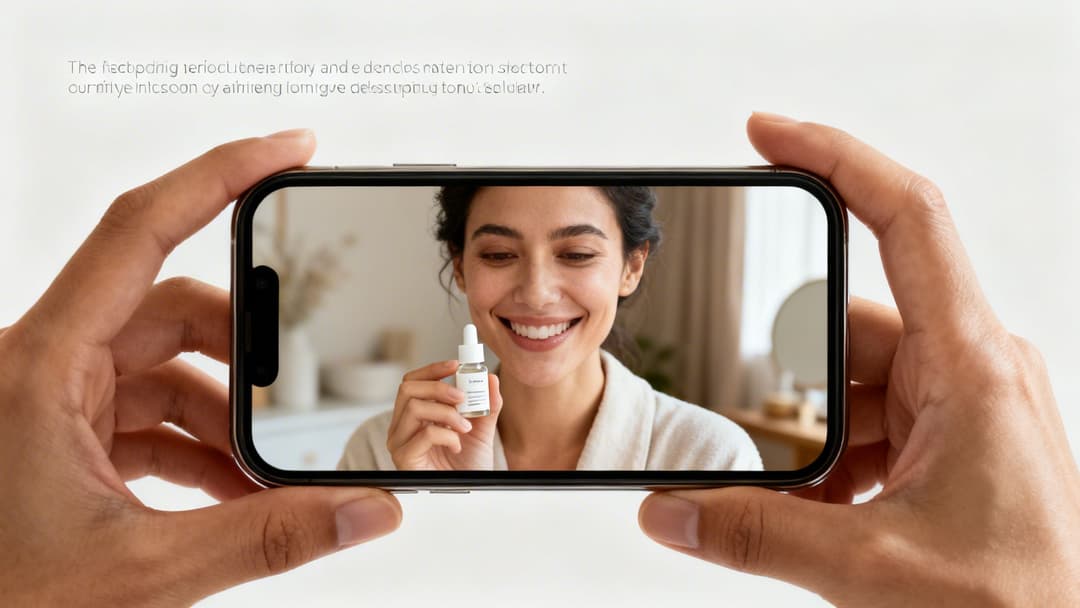
These videos are powerful examples of video ads because they act as word-of-mouth recommendations at scale. Brands like GoPro, with its customer adventure footage, and Fashion Nova, using customer styling videos, have built empires on this strategy. The content feels native to social feeds, lowering viewer guards and making the brand message more trustworthy and relatable. To truly harness the potential of this authentic ad format, it's crucial to understand what a UGC video is and why it functions as a brand's secret weapon.
Why It Works & Key Takeaways
UGC works because it offers unbiased social proof, which modern consumers trust far more than branded messaging. Its raw, unpolished nature feels more genuine and cuts through the noise of slick, high-production ads.
- Prioritize Authenticity, Not Perfection: Encourage creators to film in natural settings with their own equipment. The goal is relatable content, not a cinematic masterpiece.
- Provide Clear Creative Briefs: Guide creators with a template outlining key talking points, desired shots, and the call to action, but give them the freedom to be themselves.
- Source Strategically: Start by inviting your best customers to create content. Then, expand to micro-influencers and professional UGC creators who match your target demographic.
- Test Creator and Content Variations: A/B test videos from different creators against your own branded content to validate performance and identify what resonates most with your audience.
Strategic Insight: License and repurpose your top-performing UGC across all marketing channels. A single high-impact video can be recut for TikTok ads, used in email campaigns, featured on product pages, and even included in paid search landing pages to boost conversion rates everywhere.
This ad type is exceptionally effective for mid-funnel and bottom-of-funnel campaigns, as it builds trust and directly influences purchasing decisions. For brands looking to scale content production, you can explore using an AI UGC generator to create ad variations.
3. Carousel/Collection Ads (Multi-Product Showcase)
Carousel ads are interactive units that let users swipe through a series of cards, each featuring a different product, benefit, or video. Available on platforms like Facebook and Instagram, they combine the visual appeal of video with the exploratory nature of a product catalog. This format is designed to showcase multiple items or tell a story across several slides, encouraging direct engagement within the ad itself.
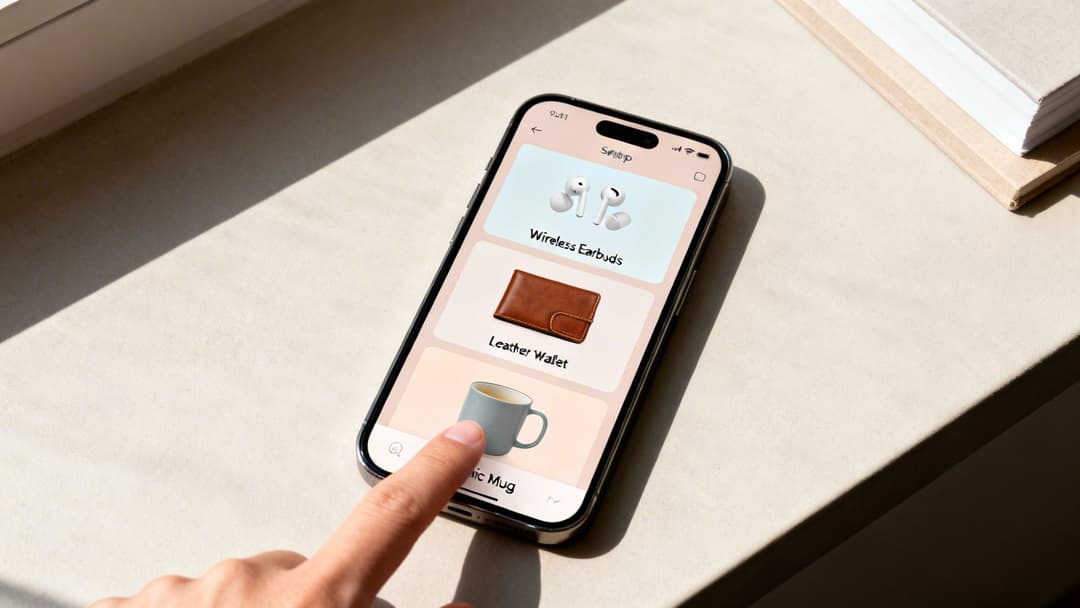
These are powerful examples of video ads for e-commerce brands looking to display a range of products without overwhelming the user. For instance, Wayfair can display multiple pieces of furniture that complete a room's look, while Nike can feature various colorways of a new sneaker. Each card can link to a unique product page, making the path from discovery to purchase incredibly efficient for interested shoppers.
Why It Works & Key Takeaways
The success of carousel ads lies in their ability to cater to diverse customer interests within a single placement, boosting click-through rates and lowering cost-per-acquisition.
- Hook with the First Card: The initial card must be compelling enough to encourage a swipe. Use your best-selling product, a strong video hook, or a leading offer here.
- Create a Cohesive Story: Ensure all cards have consistent branding and visual style. Arrange them to tell a logical story or guide users through a collection.
- Keep Copy Scannable: Limit text on each card to brief, benefit-driven headlines. Users are swiping quickly, so the message needs to be instant.
- Track Card-Level Performance: Analyze which cards get the most engagement and clicks. This data reveals which products or messages resonate most and helps optimize future carousels.
Strategic Insight: Use the final card as a summary or a "brand card" with a broad call to action, like "Shop the Full Collection." This captures users who swiped through all options and reinforces your brand identity, acting as a final push toward conversion.
Carousel ads are ideal for mid-funnel and bottom-of-funnel campaigns, retargeting users with products they've viewed or showing them related items. For more specific tactics, see this guide on carousel Instagram ads.
4. Video Testimonial/Case Study Ads
Video testimonial and case study ads use social proof to build trust and credibility by featuring real customers sharing their success stories. Ranging from 30 to 120 seconds, these ads focus on a problem-solution narrative, demonstrating a clear transformation and often highlighting quantifiable results. They move beyond simple reviews to tell a compelling story.
This format is a cornerstone for B2B SaaS companies like HubSpot and Salesforce, which showcase customer success to validate their platform's value. These powerful examples of video ads work because they let satisfied clients do the selling. An authentic story from a peer is often more persuasive than any brand-led claim, making this format excellent for building confidence with potential buyers.
Why It Works & Key Takeaways
The power of a video testimonial lies in its authenticity and ability to address a prospect's specific pain points through a relatable story. It provides tangible proof of value, directly answering the question, "Will this work for me?"
- Structure the Narrative: Guide the testimonial with a clear problem-solution-result arc. Start with the challenge the customer faced, show how your product helped, and end with the positive outcome.
- Show, Don't Just Tell: Use b-roll footage of the customer actively using your product or service. This visual evidence makes the story more dynamic and believable.
- Highlight Quantifiable Wins: Whenever possible, feature specific metrics. A statement like "We increased efficiency by 30%" is far more impactful than "We became more efficient."
- Establish Authority: Include the customer's name, title, and company to lend credibility to their story. This shows that real, professional people trust your solution.
Strategic Insight: Create multiple versions of a case study for different platforms and funnel stages. A 90-second detailed story works well for a landing page or YouTube pre-roll, while a punchy 30-second cut highlighting the single best result can be highly effective for social media feeds.
This ad type is ideal for mid-to-bottom-funnel campaigns, targeting audiences who are already aware of your solution but need a final push of confidence to convert.
5. Product Demo/How-To Video Ads
Product demo ads are quick, educational videos that show a product in action, focusing on its features, functionality, and real-world use cases. Rather than just talking about benefits, they visually demonstrate how the product solves a specific problem. The goal is to make the value proposition tangible and easy to understand in a short amount of time.
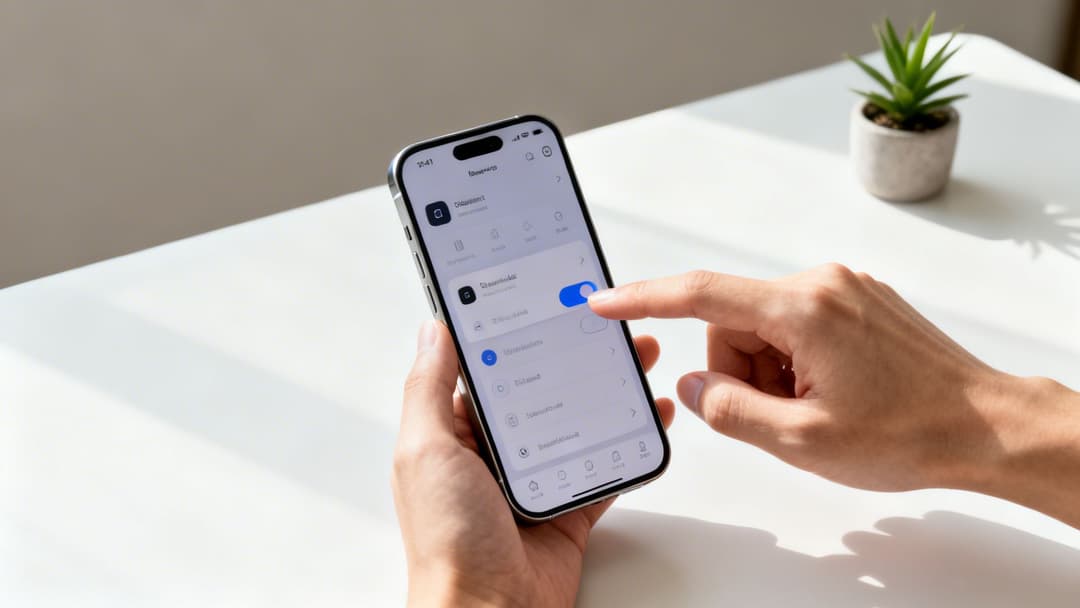
These are particularly effective examples of video ads for SaaS companies like Slack and Notion, which use them to showcase specific features in a clear, concise format. The Slack demo below is a perfect illustration. It moves quickly through the interface, using on-screen text and highlights to guide the viewer’s attention to key actions, making complex functionality appear simple and intuitive.
Why It Works & Key Takeaways
Demo ads work by answering the audience's primary question: "How will this actually help me?" They build confidence by showing, not just telling, and are perfect for mid-funnel audiences evaluating solutions.
- Start with the End Result: Hook viewers by showing the final benefit or outcome first, then walk them through how to achieve it.
- Use Animated Text Callouts: Point directly to features and explain their benefits with short, punchy text overlays. This helps with silent viewing and reinforces key messages.
- Show Relatable Use Cases: Frame the demonstration around a problem your target audience frequently faces. This makes the solution feel more relevant and necessary.
- Keep the Pace Brisk: Use fast cuts and screen recordings with zooms and highlights on important interface elements to maintain momentum and visual interest.
Strategic Insight: Create multiple demo variations, each focusing on a single, high-impact feature. You can then serve these different ads to audience segments based on their specific pain points. Dynamic creative optimization can automate this process, matching the right feature demo to the right person.
This ad type is excellent for converting consideration into action, making it ideal for retargeting campaigns on platforms like Facebook, LinkedIn, and YouTube. You can find more information on personalizing these ads at scale by reading up on what is dynamic creative optimization.
6. Behind-the-Scenes/Brand Story Video Ads
Behind-the-scenes or brand story ads pull back the curtain, offering an authentic glimpse into a company’s culture, production process, or origin story. These videos, often in a semi-documentary style, focus on the people and values that drive the brand, building a deep emotional connection with the audience. Their goal is not immediate conversion but long-term brand affinity and loyalty.
Purpose-driven brands have perfected these examples of video ads. Patagonia showcases its environmental activism, Allbirds details its sustainable manufacturing, and TOMS shares the origin of its giving mission. By focusing on the "why" behind the business, these ads help consumers feel like they are part of a larger movement, turning a purchase into a statement of personal values.
Why It Works & Key Takeaways
This format thrives by building trust and humanizing a brand, which is a powerful differentiator in a crowded market. It connects with audiences on a values-based level rather than a transactional one.
- Focus on the Authentic "Why": Ditch the corporate script. Tell a genuine story about your mission, the problem you set out to solve, or the passion of your team.
- Feature Real People: Showcase actual employees, founders, or community members. Their unscripted passion is more believable and compelling than actors.
- Show, Don't Just Tell: Instead of saying you have high-quality standards, show the craftsmanship in your production process. If you value sustainability, show your materials being sourced responsibly.
- Connect Story to Customer Impact: Frame the brand story around how your mission or values ultimately benefit the customer or the wider world, making them the hero of the narrative.
Strategic Insight: Test emotional, story-driven creative against more traditional benefit-focused ads in your mid-funnel campaigns. Analyze metrics like hold rate and comment sentiment, not just click-through rate, to measure brand-building impact and inform your top-of-funnel messaging.
These ads are exceptionally effective for mid-funnel and bottom-of-funnel retargeting, solidifying consideration and encouraging loyalty from audiences who are already aware of your brand.
7. Comparison/Versus Video Ads
Comparison video ads directly pit a product against a competitor or an alternative "old way" of doing things. These ads use side-by-side visuals and direct messaging to showcase a superior value proposition, highlighting specific advantages in features, price, or ease of use. The core goal is to interrupt a viewer's consideration process and present a clear, compelling reason to switch.
Many disruptive brands have used comparison ads as powerful examples of video ads to win market share. Dollar Shave Club famously compared its simple, affordable razors to the overpriced, over-engineered products from legacy brands. Similarly, tech companies often create "switcher" campaigns showing how their software is faster or more intuitive than a well-known incumbent, targeting users already familiar with the problem space.
Why It Works & Key Takeaways
This format is effective because it shortcuts the buyer's research process by addressing their primary question: "Why is this better than what I'm using now?" It creates a strong point of reference and makes benefits tangible.
- Frame as "New Way vs. Old Way": Instead of directly naming competitors, which can carry legal risks, frame the comparison as a modern solution versus a dated, inefficient method. This feels less aggressive and more helpful.
- Focus on Defensible Claims: Base comparisons on specific, provable metrics like "5x faster setup," "saves $50/month," or "3 fewer clicks." Vague claims like "it's better" are easily dismissed.
- Use Visuals to Show, Not Just Tell: A split-screen showing one user struggling while another succeeds is far more impactful than a text overlay. Visualize the difference in experience.
- Target Competitor Audiences: On platforms like Facebook and Google, you can build audiences of users who have shown interest in or are customers of your competitors, making your comparison ad highly relevant.
Strategic Insight: Before launching a direct competitor comparison ad, consult with a legal team. To mitigate risk, focus on your product's strengths and the pain points of the general alternative, rather than making specific, unsubstantiated claims against a named competitor.
8. Animated/Motion Graphics Video Ads
Animated and motion graphics video ads use illustrations, visual effects, and dynamic text to tell stories or explain complex concepts. Instead of live-action footage, these ads rely on design to create a visually distinct world that can simplify abstract ideas, making them perfect for tech, SaaS, and finance companies. Their main goal is to communicate a message with clarity and creative flair that would be difficult or costly to achieve with live-action.
This format is a staple for brands like Duolingo, which uses character-driven animations, and Dropbox, which creates clean motion graphics to explain software features. These are effective examples of video ads because they can make a potentially dry topic, like cloud storage or payment processing, feel accessible and engaging. The creative freedom of animation allows brands to build a unique visual identity that stands out from typical user-generated or corporate-style content.
Why It Works & Key Takeaways
The power of animation lies in its ability to translate abstract or complex information into a simple, digestible visual narrative. It gives marketers complete control over the messaging and visual environment, free from the constraints of a physical shoot.
- Simplify Complex Ideas: Use animation to visualize data, processes, or software interfaces. Break down multi-step concepts into clear, sequential graphics.
- Establish a Strong Brand Identity: Match the animation style, color palette, and character design to your brand's personality. Mailchimp's playful "Freddie" mascot is a prime example of this.
- Design for Muted Viewing: Animation is heavily visual, but on-screen text overlays are still crucial to guide the viewer and reinforce key benefits without sound.
- Focus on the Message: Ensure the animation serves the story and clarifies the value proposition rather than distracting from it. Sometimes simpler 2D graphics are more effective than complex 3D renderings.
Strategic Insight: Use animated videos for mid-funnel campaigns where the goal is education. They are exceptionally good at explaining a product's "how" and "why" after a prospect has already shown initial interest, helping to overcome purchase hesitations related to complexity.
This ad type is ideal for explaining features, building brand affinity, and driving consideration. For specific platform requirements, review detailed guides on Facebook video ad specifications to ensure your animations are optimized for delivery.
9. Influencer Collaboration/Branded Content Video Ads
Influencer collaboration videos are created in partnership with content creators or public figures to feature a product in their authentic style. These ads appear as sponsored posts or branded content in a user’s feed, borrowing the creator's credibility and creative voice to connect with their established audience. The goal is to blend brand messaging with the creator’s native content, making the promotion feel less like an ad and more like a trusted recommendation.
Brands like Fenty Beauty and Gymshark have built empires using this strategy. Fenty partners with diverse makeup artists on TikTok and YouTube, while Gymshark collaborates with fitness athletes whose lifestyles align with the brand’s ethos. These powerful examples of video ads work because they bypass traditional advertising skepticism by using a trusted third-party voice to present the product authentically.
Why It Works & Key Takeaways
This format’s success stems from the trust and parasocial relationships influencers build with their followers. A recommendation from a favorite creator often carries more weight than a direct brand message.
- Prioritize Authenticity: Partner with creators whose audience and content genuinely align with your product. A forced fit feels inauthentic and can damage both the brand's and the creator's credibility.
- Grant Creative Freedom: Provide key messaging points and brand guidelines, but allow the influencer to create the content in their own voice. Micromanaging the creative process strips the ad of its authenticity.
- Establish Clear Disclosures: Ensure all branded content complies with FTC guidelines by using clear disclosures like #Ad or #Sponsored. Transparency is crucial for maintaining audience trust.
- Negotiate Content Rights: Secure rights to reuse and repurpose the influencer-generated video in your own paid ad campaigns. This extends the value of the collaboration beyond the initial post.
Strategic Insight: Start with micro-influencers (10k-100k followers). They often have higher engagement rates and a more dedicated, niche audience, delivering a better return on investment than macro-influencers. Test several smaller partnerships to identify high-performers before scaling your budget.
This ad type is extremely effective for mid-funnel consideration and bottom-funnel conversion, as it builds social proof and drives purchase decisions from an already-warm audience.
10. Interactive/Shoppable Video Ads (Live Shopping)
Interactive or shoppable video ads close the gap between product discovery and purchase by embedding commerce capabilities directly into the video player. Viewers can click on tagged products, see details, and add items to their cart without leaving the ad experience. This format turns passive viewing into an active shopping session, significantly reducing friction in the conversion path.
Platforms like TikTok Shop, Instagram Shopping, and YouTube Shopping have made these some of the most powerful examples of video ads for e-commerce. Brands use live shopping events to demonstrate products in real-time, while pre-recorded shoppable videos function as interactive catalogs within a user's feed. The core function is to make the journey from "I want that" to "I bought that" as short as possible.
Why It Works & Key Takeaways
This ad format’s strength is its ability to convert high-intent viewers instantly. By merging entertainment with a seamless checkout process, it captures customers at their peak moment of interest, preventing drop-off that occurs when redirecting to a separate product page.
- Highlight Key Products: Feature a focused selection of 3-7 products to avoid overwhelming the viewer. Use clear on-screen annotations and graphics to draw attention to each item as it's discussed.
- Create Urgency: Incorporate elements like limited-time offers, "low stock" alerts, or a countdown timer for a flash sale. This encourages immediate action rather than delayed consideration.
- Optimize for Mobile Commerce: Ensure product tags are easy to tap and that the checkout flow is designed for a mobile-first experience. The entire process should feel native to the platform.
- Track Both Clicks and Conversions: Analyze the click-through rate on product tags separately from the final conversion rate. This helps identify if the friction point is in product interest or the checkout process.
Strategic Insight: Use live shopping events to test which products generate the most real-time engagement and questions. The data from a live session can inform which products to feature in your pre-recorded, evergreen shoppable video ads, as you already have proof of audience interest.
This ad type is a bottom-of-funnel powerhouse, built for driving direct sales and increasing average order value. It works best for brands with visually appealing products that benefit from demonstration or styling.
Top 10 Video Ad Types Comparison
| Ad Format | Implementation Complexity | Resource Requirements | Expected Outcomes | Ideal Use Cases | Key Advantages |
|---|---|---|---|---|---|
| Short-Form Vertical Video Ads (15–60s) | Low–Medium — fast iteration, simple edits | Low — mobile shoots, quick post-production | High engagement, strong direct response performance | Mobile-first awareness and conversion campaigns, rapid testing | High engagement, low cost per variation, easy to scale |
| User-Generated Content (UGC) Video Ads | Low–Medium — sourcing and curation effort | Low — creator-supplied assets, licensing needed | High trust and conversion, strong social proof | DTC, social-first campaigns, Gen Z targeting | Authenticity, cost-effective, high credibility |
| Carousel / Collection Ads (Multi-Product) | Medium — card sequencing, UX design | Medium — multiple assets, landing links per card | Higher CTR, better product interest insights | E-commerce catalogs, cross-sell and product discovery | Showcases range in one unit, interactive exploration |
| Video Testimonial / Case Study Ads (30–120s) | Medium–High — interview coordination, scripting | High — professional shoots, editing, scheduling | Strong trust and lead quality, good for high-ticket sales | B2B, SaaS, enterprise proof-of-value campaigns | Demonstrates ROI, builds credibility and authority |
| Product Demo / How-To Video Ads | Low–Medium — screen capture and tight editing | Low–Medium — recordings, clear callouts, editor | Clarifies features, improves activation and conversion | SaaS onboarding, feature launches, educational ads | Educates quickly, reduces user confusion and support |
| Behind-the-Scenes / Brand Story Ads | Low–Medium — storytelling focus, candid shoots | Low–Medium — internal footage, minimal production | Better brand affinity and long-term loyalty, lower immediate ROI | Brand awareness, purpose-driven and employer branding | Emotional connection, differentiates on values |
| Comparison / Versus Video Ads | Low — simple side-by-side format; legal review advised | Low — demo footage and defensible claims | Clear differentiation, effective at persuading switchers | Competitive positioning and switcher acquisition | Directly highlights advantages, targeted messaging |
| Animated / Motion Graphics Video Ads | High — animation pipelines and storyboarding | High — animators, designers, longer timelines | Excellent clarity for complex ideas, shareable content | Explainers, abstract concepts, data visualization | Simplifies complexity, strong brand stylistic recall |
| Influencer Collaboration / Branded Content Ads | Medium–High — negotiation, creative alignment | High — creator fees, co-production logistics | High reach and engagement, variable ROI by creator | Product launches, lifestyle/beauty/fashion campaigns | Access to creator audiences, authentic storytelling |
| Interactive / Shoppable Video Ads (Live Shopping) | High — interactive overlays, checkout integration | High — e‑commerce, inventory, developer resources | Higher conversion rates, lower purchase friction | DTC commerce, live events, flash sales | Seamless path to purchase, rich interaction analytics |
From Inspiration to Execution: Scaling Your Video Ad Strategy
We’ve explored a wide range of powerful examples of video ads, from the raw authenticity of user-generated content to the polished engagement of animated explainers. Each example offers a blueprint for capturing attention and driving action. Yet, the most important takeaway isn't found in any single format; it's in the underlying strategy that connects them all.
The common thread weaving through these successful campaigns is a commitment to structured creativity and relentless testing. Great performance marketers don't just find one ad that works and run it indefinitely. They build a system. They deconstruct winning concepts into their core components: the hook, the core message, the call to action, and the visual style. They then create variations of each element to test against different audiences and placements, constantly searching for new pockets of performance.
Key Principles for Your Video Ad Strategy
To move from inspiration to effective execution, focus on these core principles derived from the examples:
- Audience-Format Fit: Match the ad format to the audience's mindset and the platform's context. A quick, punchy product demo excels on TikTok, while a more detailed video testimonial can be effective for remarketing on Facebook.
- The Power of the Hook: The first three seconds are non-negotiable. Whether it's a surprising visual, a direct question, or a bold claim, your hook must stop the scroll. Analyze the hooks from the UGC and short-form examples to see this in action.
- Clarity Over Complexity: Every ad should have one clear job to do. Is it generating a lead, driving a purchase, or building brand awareness? A confused ad leads to a confused and inactive viewer. The directness of a "before and after" ad is a perfect model for this principle.
- Authenticity Sells: Modern consumers are wary of overly polished corporate ads. The success of UGC, behind-the-scenes content, and authentic testimonials proves that relatability and trust often outperform high production values.
Building this system manually is a significant challenge, often acting as a bottleneck for growth. Creating and managing dozens or even hundreds of ad variations across multiple campaigns is time-consuming and difficult to track. For a practical guide on creating social media ads that convert effectively, enabling you to scale your video ad strategy, refer to this resource: practical guide to social media ads that convert. By applying these frameworks, you can turn the strategic insights from these video ad examples into a repeatable process for success, ensuring your creative efforts translate directly into measurable results.
Ready to turn these insights into high-performing campaigns at scale? AdStellar AI helps you generate hundreds of on-brand video ad variations in minutes, not weeks. Move from admiring great ads to creating them consistently with our AI-powered creative platform. Explore AdStellar AI and start scaling your video ad production today.