In a feed saturated with ads, generic copy doesn't just fail to convert, it actively burns your budget. The difference between a stalled campaign and a scalable winner often comes down to the specific words you choose. Generic, uninspired messages get ignored, while strategic copy connects with a target audience and compels action. This is why mastering the craft of writing high-performing ad copy is non-negotiable for any serious marketer.
This article moves beyond abstract theory to provide a strategic breakdown of 10 battle-tested ad copies examples across different industries and goals. We'll dissect what makes each one work, from the psychological triggers in the headline to the conversion-focused call to action. You won't just see the final copy; you'll understand the "why" behind its success.
You'll learn replicable frameworks for platforms like Meta and LinkedIn, complete with actionable A/B test ideas you can implement today. Whether you're selling a product, generating leads, or driving app installs, these examples offer a masterclass in turning words into revenue. To ensure your ad copy drives real results, it's crucial to understand how to apply tactics for successfully improving ecommerce conversion rates through effective copy. This guide provides the tactical foundation you need.
Each example is a mini-lesson in effective advertising, covering:
- Sales Conversion Copy for e-commerce brands.
- B2B Lead Generation for SaaS companies.
- App Install Campaigns focused on performance.
- Retargeting Copy to recover warm leads.
Let's dive into the examples that consistently outperform the rest.
1. Meta Sales Conversion Copy (E-Commerce Goal)
Meta Sales Conversion Copy is a direct-response ad format engineered for a single purpose: to drive immediate purchases on platforms like Facebook and Instagram. This high-intent copy speaks directly to users who are close to making a buying decision, leveraging urgency, compelling offers, and strong social proof to close the sale. It’s a foundational tactic for e-commerce and DTC brands aiming for a high return on ad spend (ROAS).
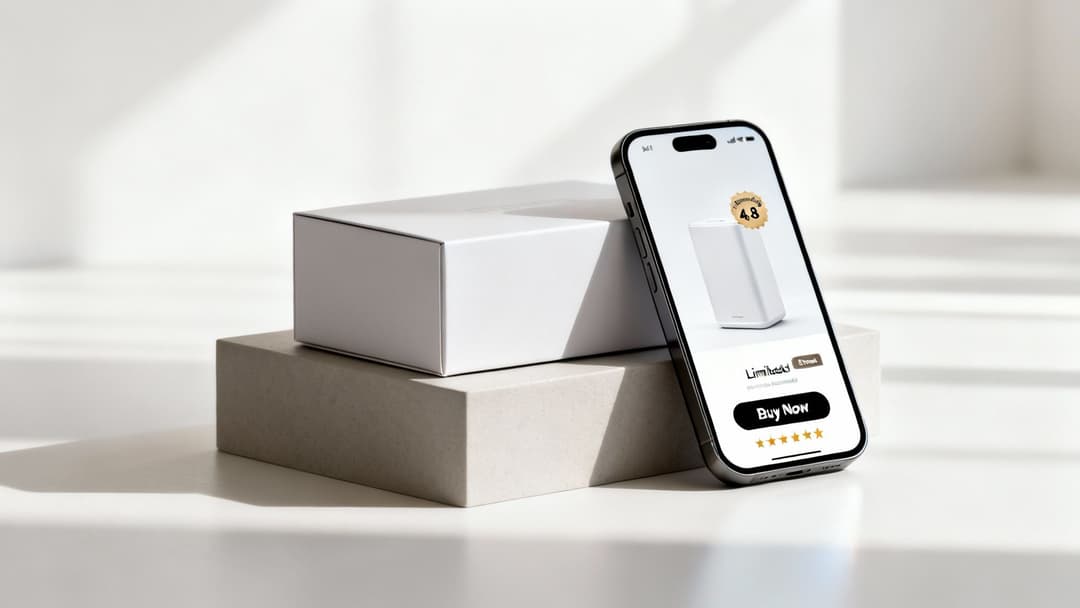
This approach works by cutting through the noise with an irresistible value proposition placed front and center. It assumes the user has some familiarity with the brand or product category, so it skips the brand story and gets straight to the point. These ad copies examples are often the final touchpoint in a customer’s journey, converting consideration into revenue.
Why It Works & How to Replicate It
The effectiveness of this copy lies in its laser focus on the core purchase drivers for bottom-of-funnel audiences. It combines psychological triggers with clear, concise messaging.
- Lead with the Offer: Start with the most compelling part of your deal. Warby Parker's "Shop Premium Frames from $95" immediately establishes an attractive price point.
- Create Scarcity or Urgency: Use time-sensitive language. Glossier's "New Balm Dotcom Flavors Just Dropped. Limited Time Only" signals that hesitation could mean missing out.
- Leverage Social Proof: Build trust and validate the purchase decision. Dollar Shave Club's "Join 4M+ Members" is a powerful testament to their product's popularity and reliability.
For those looking to master this and other strategies, a deep dive into successful e-commerce advertisement provides a broader framework for building high-performing campaigns.
Actionable A/B Test Ideas
To optimize your conversion copy, systematically test different elements:
- Offer vs. Benefit: Test a price-led headline ("50% Off Today") against a benefit-led one ("Get Your Best Sleep Ever").
- Social Proof Variations: A/B test a star rating ("4.8/5 Stars from 10k+ Reviews") against a customer count ("Join 50,000 Happy Customers").
- Call-to-Action (CTA): Compare a standard CTA like "Shop Now" with a more benefit-oriented one like "Claim Your Discount."
2. B2B SaaS Lead Generation Copy (LinkedIn/Meta Combo)
B2B SaaS Lead Generation Copy is specifically designed to persuade business decision-makers on platforms like LinkedIn and Meta to take a high-value action, such as requesting a demo, starting a trial, or downloading a whitepaper. Unlike e-commerce copy, its goal isn't an immediate sale but to capture qualified leads for the sales pipeline. This approach focuses on solving complex business problems, demonstrating ROI, and building trust with a professional audience.
This strategy works by aligning a specific business pain point with a tangible solution offered by the SaaS product. The copy is less about features and more about outcomes, such as increased efficiency, revenue growth, or reduced operational costs. These ad copies examples are crucial for B2B marketers, as they serve as the first step in a longer, more considered sales cycle, ultimately driving customer acquisition.
Why It Works & How to Replicate It
This copy is effective because it speaks the language of business value. It addresses the "what's in it for my company" question directly, using metrics, credibility, and targeted offers to resonate with a professional mindset.
- Lead with a Specific Business Outcome: Start with a quantifiable result. Calendly’s "See How Teams Save 4+ Hours Weekly" immediately frames the product's value in terms of time saved.
- Build Credibility with Social Proof: Use numbers and endorsements to establish trust. Salesforce’s "See How 300K+ Companies Trust Salesforce" is a powerful signal of market leadership and reliability.
- Offer a Clear, Low-Friction Next Step: Provide a call-to-action that matches the audience's intent. HubSpot's "Get a Free Consultation" is a perfect offer for businesses seeking expert guidance.
Building a successful campaign around this model requires a deep understanding of your audience's challenges. For a comprehensive look at optimizing your funnel, exploring effective lead gen ads can provide the strategic foundation you need.
Actionable A/B Test Ideas
To refine your B2B lead generation copy, test elements that influence professional decision-making:
- Offer Type: Test a product-focused offer ("Start Your Free Demo") against a content-focused one ("Download the ROI Report").
- Metric vs. Problem: A/B test a metric-led headline ("Increase Your Team’s Productivity by 30%") against a problem-focused one ("Tired of Inefficient Workflows?").
- CTA Urgency: Compare a direct CTA like "Get Demo" with a more value-driven CTA like "See Pricing" or "Unlock Your Free Trial."
3. Mobile App Install Copy (iOS/Android - Performance Focus)
Mobile App Install Copy is a highly specialized ad format designed to drive one specific action: app downloads. Used across Meta and other performance channels, this copy focuses on showcasing unique features and user benefits to reduce friction and encourage an immediate tap of the "Install" button. It's the engine of user acquisition for mobile-first businesses, from gaming to on-demand services, aiming for a low cost-per-install (CPI).
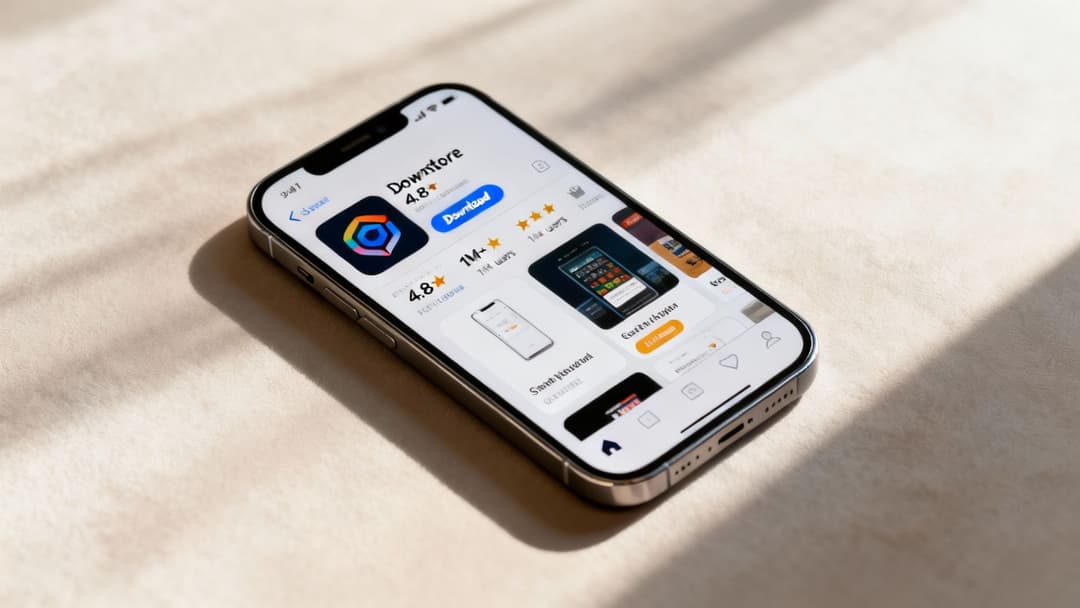
This approach succeeds by quickly answering the user's core question: "Why should I download this?" It bypasses lengthy narratives in favor of a clear, benefit-driven pitch. These ad copies examples are often paired with creative that shows the app's interface or gameplay, giving users a preview of the experience and setting clear expectations.
Why It Works & How to Replicate It
Effective app install copy combines a compelling value proposition with powerful social proof, making the decision to download feel both easy and smart. It addresses potential user hesitation head-on by highlighting key benefits and building instant credibility.
- Lead with the Core Value: State the app's primary benefit immediately. Duolingo's "Learn Languages the Fun Way" instantly communicates both utility and an enjoyable user experience.
- Showcase Strong Social Proof: Use large numbers to build trust. Candy Crush's "Join 300M Players" creates a powerful fear of missing out and validates the game's quality.
- Reduce Download Friction: Explicitly state that the app is free. TikTok's "Download TikTok Free Today" removes any cost-related hesitation for the user.
Actionable A/B Test Ideas
To lower your CPI and find winning creative, continuously test different angles:
- Feature vs. Outcome: Test an ad highlighting a specific feature ("Order in 3 Taps") against one focused on the end benefit ("Get Your Favorite Food Fast").
- Social Proof Type: Compare a user count ("Join 30M+ Users") against a high rating ("4.9/5 Stars from 1M+ Reviews") to see which resonates more.
- Creative Format: A/B test a static image showing the app UI against a short video demonstrating gameplay or a key user flow.
4. Newsletter Signup Copy (Content/List Building - Email-First)
Newsletter Signup Copy is engineered to convert ad impressions into email subscribers. Its primary goal is to build an owned audience by offering valuable, free content directly to a user's inbox. This strategy is crucial for long-term nurturing, establishing authority, and creating a direct communication channel that isn't dependent on algorithm changes. It's a foundational play for content-driven brands and creators looking to build a sustainable community.
This approach works by offering a clear, compelling value exchange: the user's email address for consistent, high-quality information, entertainment, or insights. Unlike sales-focused ads, these ad copies examples sell the value of the content itself. They are designed to attract a highly relevant audience that is genuinely interested in a brand's niche, making them ideal for nurturing into future customers or brand advocates.
Why It Works & How to Replicate It
The effectiveness of this copy comes from its laser focus on a single, low-friction action: subscribing. It frames the newsletter as a product, highlighting its unique benefits and building trust through social proof.
- Lead with the Core Value Proposition: Immediately state what the reader will gain. Morning Brew's "The Business News You Actually Want" instantly communicates a unique angle and benefit.
- Leverage Social Proof with Subscriber Counts: Use large numbers to build credibility and FOMO (Fear Of Missing Out). The Skimm's "Join 10M+ Readers" is a powerful signal of trust and popularity.
- Set Clear Expectations: Mention the frequency and format to reduce friction. Highlighting that it takes "5 Minutes" to read, like The Skimm does, makes the commitment feel small and manageable.
Actionable A/B Test Ideas
To maximize your subscriber conversion rate, test different angles of your value proposition:
- Benefit vs. Credibility: Test a benefit-focused headline ("Get Smarter in 5 Minutes") against a credibility-focused one ("The Newsletter Trusted by 3.5M Professionals").
- Audience Callout: A/B test a broad callout ("For Curious Minds") against a niche-specific one ("For SaaS Marketers").
- CTA Specificity: Compare a generic CTA like "Sign Up" with a more value-driven one like "Get the First Issue" or "Start Learning."
5. Retargeting/Remarketing Copy (Warm Audience - Conversion Recovery)
Retargeting/Remarketing Copy is a powerful, high-return ad format designed to re-engage users who have already interacted with your brand. This copy targets warm audiences, such as website visitors, past customers, or cart abandoners, acknowledging their prior interest to overcome final purchase barriers. It’s a critical component for maximizing return on ad spend (ROAS) by converting "almost" customers into paying ones.
This approach thrives on personalization and context. Instead of a generic introduction, these ad copies examples speak directly to the user’s previous action, such as viewing a specific product or leaving items in their cart. By addressing the exact point of drop-off with a relevant offer or reminder, it effectively lowers friction and guides the user back to complete their purchase.
Why It Works & How to Replicate It
This copy's success comes from its timing and relevance, reaching users when purchase intent is still high but temporarily stalled. It combines gentle reminders with compelling incentives to close the loop.
- Acknowledge Past Action: Make the copy feel personal and relevant. Amazon’s "You Viewed This Item – Now 20% Off for 24 Hours Only" directly references user behavior.
- Remove Final Objections: Address common hesitations like shipping costs. Warby Parker’s "Your Frame is Waiting. Complete Your Purchase + Get Free Shipping" removes a key financial barrier.
- Create FOMO (Fear of Missing Out): Use scarcity to drive immediate action. Sephora’s "Items in Your Bag Are Running Low in Stock. Check Out Before They Sell Out" is a classic and effective tactic.
For marketers looking to build a robust follow-up system, understanding the nuances of Facebook retargeting ads is essential for turning abandoned carts into consistent revenue.
Actionable A/B Test Ideas
To fine-tune your retargeting campaigns, test these variables:
- Incentive Type: Test a discount ("15% Off Your Cart") against a value-add ("Free Shipping On Your Order").
- Copy Urgency: A/B test a soft reminder ("Your cart is waiting") against a hard-urgency message ("Your items sell out fast. Order now!").
- Audience Segmentation: Compare results from a broad "website visitors" audience against a hyper-segmented "cart abandoners in the last 7 days" audience to measure conversion lift.
6. Video Ad Copy (YouTube/Meta Video - Attention-Grabbing Hook)
Video Ad Copy is a specialized format designed for platforms where viewers can skip after a few seconds, like YouTube and Meta. The primary goal is to capture attention immediately with a powerful hook. This copy isn't just the words spoken; it's the entire package of on-screen text, the opening line, and the initial visual that work together to stop a user from skipping and compel them to watch further.
This approach is critical because attention spans on video platforms are incredibly short. The copy must create a pattern interrupt or a curiosity gap within the first three seconds. These ad copies examples succeed by front-loading the most intriguing element, ensuring the core message is delivered even if the viewer drops off early. It’s a high-stakes, high-reward format essential for scaling video creative.
Why It Works & How to Replicate It
The power of this copy lies in its understanding of platform-specific user behavior. It acknowledges the "skip" button and works aggressively to make viewers want to see what happens next.
- Create an Instant Curiosity Gap: Start with a question or a bold statement. Blendtec's "Will It Blend?" paired with an unexpected item (like an iPhone) is a masterclass in making viewers stay to see the outcome.
- Lead with a Pattern Interrupt: Say something unexpected or shocking to break the scroll-hypnosis. Dollar Shave Club’s opening, "Our Blades Are F*cking Great," was so direct and unconventional it became legendary.
- Promise a Quick, Valuable Transformation: Clearly state the benefit and the time it takes to see it. Grammarly's "Your Writing, Perfected. See the Difference in 15 Seconds" is direct and respects the viewer's time.
Optimizing video creative is key to performance, and understanding the technical requirements is the first step. For more on this, exploring the proper video size for Facebook ads provides a foundational guide to ensure your content is displayed correctly.
Actionable A/B Test Ideas
To find your winning hook, you must test relentlessly:
- Hook Variations: Test 3-5 different opening hooks against the same core video. Compare a question ("Tired of bad meetings?"), a statement ("This tool ends bad meetings forever"), and a statistic ("80% of meetings are a waste of time").
- Text Overlay vs. Spoken Word: Test an ad where the hook is only on-screen text against one where it is spoken, and another with both. This helps optimize for sound-on and sound-off viewers.
- CTA Timing: Test placing your primary Call-to-Action mid-video (for those who drop off) versus saving it for the end. Compare "Try Free Now" at the 10-second mark to the same CTA on the end-card.
7. Carousel Ad Copy (Multi-Message Storytelling - Meta)
Carousel Ad Copy is a sequential ad format where each card or slide works together to tell a story, showcase multiple products, or highlight different benefits. This format leverages Meta's interactive carousel structure to create a richer, more engaging narrative within a single ad placement. It's designed to guide the user through a journey, turning a passive scroll into an active exploration.
This approach works by breaking down a complex message into digestible, swipeable parts. Instead of cramming every feature into one block of text, carousel ads allow you to dedicate each card to a specific idea. These ad copies examples are highly effective for showcasing product variety, explaining a process, or building a problem-solution narrative that resonates with the audience on a deeper level.
Why It Works & How to Replicate It
The power of carousel copy lies in its ability to build momentum and curiosity. Each swipe draws the user further into your brand's world, creating a micro-engagement loop that increases message retention and drives action.
- Tell a Cohesive Story: Structure your cards to follow a logical sequence. Nike often uses a feature-benefit flow: Card 1 shows the shoe, Card 2 highlights its lightweight fit, and Card 3 focuses on durability.
- Showcase Variety or Steps: Use each card to display a different product, option, or step in a process. Sephora effectively uses carousels to showcase various foundation shades, while a recipe brand could show step-by-step instructions.
- Create a Problem-Solution Arc: Hook the user with a pain point and present your product as the hero. A travel brand might use: Card 1 ("Feeling stuck?"), Card 2 ("Discover new horizons"), Card 3 ("Book your escape today").
Actionable A/B Test Ideas
To refine your carousel strategy, test how users interact with different narrative structures:
- Card Order: Test a problem-first narrative (Pain Point → Solution → Offer) against a benefit-first one (Benefit → Product → Social Proof).
- CTA Progression: Compare a single CTA ("Shop Now" on all cards) against a progressive CTA sequence (e.g., "Discover" → "Learn More" → "Shop Now").
- First Card Hook: A/B test the lead card to see what drives the most swipes. Test a lifestyle image versus a direct product shot or a question-based headline versus a bold statement.
8. Community/Social Proof Copy (UGC-Focused - Authenticity Angle)
Community/Social Proof Copy leverages user-generated content (UGC), customer reviews, and testimonials to build authenticity and overcome purchase skepticism. This strategy taps into the power of real people to validate a product, making advertisements feel less like a sales pitch and more like a trusted recommendation. It’s highly effective for cutting through ad fatigue because it relies on genuine customer voices instead of polished brand messaging.
This approach works by shifting the spotlight from the brand to the customer, creating a powerful third-party endorsement. Brands like Allbirds and Native have built empires on this foundation, showcasing real people using their products. These ad copies examples are designed to answer a potential buyer's core question: "Do people like me actually use and love this product?" Answering that with a resounding "yes" builds instant credibility.
Why It Works & How to Replicate It
The power of this copy lies in its ability to harness the "wisdom of the crowd" and present it as undeniable proof. It replaces brand claims with customer results, which is far more persuasive in today's market.
- Lead with Quantifiable Proof: Start with a strong, data-backed claim. Loom's "Join 25M+ Creators Making Video Communication Effortless" immediately establishes massive adoption and trust.
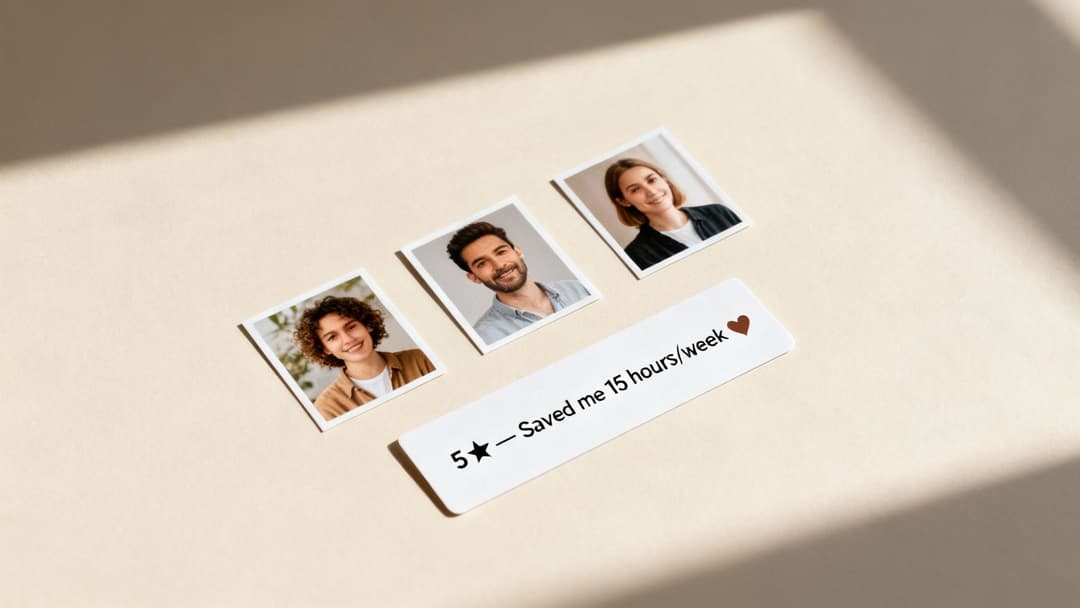
- Pull Specific Results from Reviews: Don't just say "Customers love it." Quote a specific, powerful outcome. For example, use a direct quote like, "This tool saved my team 15 hours per week."
- Feature Real People: Whenever possible, use real customer names and photos (with permission). This dramatically increases trust compared to anonymous testimonials. Allbirds excels by pairing customer photos with their review snippets.
Actionable A/B Test Ideas
To find the most impactful social proof angle, test these variations:
- Broad vs. Niche Social Proof: Test a general user count ("Join 50,000+ Users") against a niche-specific one ("The #1 Tool for E-commerce Marketers").
- Result-Oriented vs. Emotional Quote: Compare a testimonial focused on a tangible outcome ("Reduced our ad costs by 40%") with one that highlights an emotional benefit ("I finally feel confident in my marketing").
- Single Testimonial vs. Star Rating: A/B test a powerful, in-depth single review against an aggregate rating ("4.9/5 stars from 12,000+ reviews").
9. Urgency/Scarcity Copy (Limited-Time Offer - High-Pressure Sales)
Urgency/Scarcity Copy is a powerful psychological tactic designed to compel immediate action by highlighting time limitations or low stock. This high-pressure approach taps into the fear of missing out (FOMO), motivating users to convert now rather than later. It is a staple for e-commerce flash sales, limited-edition product drops, event registrations, and SaaS promotional periods where accelerating the decision-making process is critical.
This technique works by creating a perception of value tied to a constraint. It shifts the user's mindset from "Should I buy this?" to "Should I buy this now before it's gone?". These ad copies examples are highly effective because they short-circuit the typical consideration phase, pushing for a direct response. However, its power hinges on authenticity; using fake scarcity can damage brand trust and long-term credibility.
Why It Works & How to Replicate It
The effectiveness of this copy is rooted in basic human psychology. The fear of loss is often a more powerful motivator than the desire for gain. By framing an offer as fleeting, you increase its perceived value and trigger an impulse to act.
- Be Specific and Credible: Use concrete deadlines and reasons. Amazon’s "Lightning Deal – Ends Today" is effective because it’s tied to a known, system-wide event.
- Emphasize the Consequence: Clearly state what the user will miss. Groupon’s "Flash Sale Ends in 4 Hours. Save 50% on Local Deals Now" frames the time limit directly with the benefit.
- Combine with a Strong Offer: The scarcity must be applied to an already compelling deal. Mailchimp’s "Annual Plan 50% Off – Offer Ends December 31st" pairs a significant discount with a firm deadline.
Understanding how to balance pressure with value is key, and you can explore more frameworks for creating compelling offers by reading about what makes for great ad copy.
Actionable A/B Test Ideas
To find the sweet spot for urgency without alienating your audience, test the intensity and framing of your scarcity.
- Timeframe Intensity: Test a specific deadline ("Offer Ends Friday") against a duration ("Only 24 Hours Left").
- Scarcity Type: Compare time-based scarcity ("Sale Ends Tonight") with quantity-based scarcity ("Only 50 Left in Stock").
- CTA Language: A/B test a standard CTA like "Shop Now" against an urgency-focused one like "Claim Deal Before It's Gone."
10. Educational/Thought Leadership Copy (B2B Awareness - Value-Driven)
Educational or Thought Leadership Copy positions a brand as an industry expert by offering valuable insights, data, or frameworks instead of a direct product pitch. This strategic approach is designed to build authority and trust, attracting high-intent B2B audiences who are researching solutions rather than being ready to buy. It’s a cornerstone for companies with long sales cycles, where establishing credibility is paramount.
This method works by trading high-value information for a prospect's attention and contact details, effectively generating qualified leads. Instead of selling a product, the ad "sells" a free resource like a report, webinar, or whitepaper. These ad copies examples are crucial for filling the top of the funnel with relevant professionals who will come to see your brand as the go-to source for industry intelligence.
Why It Works & How to Replicate It
This copy's power comes from its non-promotional, value-first proposition. It taps into a professional's need to stay informed and solve complex problems, building a relationship before a sales conversation ever begins.
- Lead with a Compelling Data Point: Start with a surprising statistic or key finding. HubSpot's "1,000+ Marketers Share What Works" immediately establishes the report's authority and scope.
- Specify the Resource and Its Value: Clearly state what the user is getting. Gartner's "Magic Quadrant for [Category] – Compare Top Vendors" offers a clear, tangible benefit: simplified vendor evaluation.
- Establish Credibility: Mention your brand's authority or the scale of your research. A headline like Forrester's "The 10 Technology Trends That Will Change 2024" leverages the brand's reputation as a leading analyst firm.
Actionable A/B Test Ideas
To refine your thought leadership campaigns, test elements that impact perceived value and relevance:
- Insight vs. Resource Type: A/B test a headline focused on a specific finding ("Generative AI Adoption Grew 5X Last Year") against one focused on the format ("Get the 2024 AI in Enterprise Report").
- Audience Role Personalization: Test copy tailored to a specific job function ("For CMOs: The 2024 Marketing Budget Guide") against a broader version ("The 2024 Marketing Budget Guide").
- Call-to-Action (CTA): Compare a standard CTA like "Download Now" with a more benefit-driven one like "Get the Insights" or "Claim Your Free Analysis."
10 Ad Copy Examples — Side-by-Side Comparison
| Ad Type | Implementation Complexity | Resource Requirements | Expected Outcomes | Ideal Use Cases | Key Advantages |
|---|---|---|---|---|---|
| Meta Sales Conversion Copy (E-Commerce Goal) | Medium — requires conversion pixel & A/B testing | Product images, pricing feeds, Meta pixel/Conversion API | High short-term conversions and measurable ROAS | DTC/e‑commerce product launches, promo-driven sales | High conversion intent; easy ROAS measurement; scalable testing |
| B2B SaaS Lead Generation Copy (LinkedIn/Meta Combo) | High — longer copy, form & nurture integration | Case studies, landing pages, lead magnets, marketing automation | Qualified leads with longer sales cycles; higher CPL | Enterprise SaaS, ABM, demo/trial acquisition | Builds credibility; aligns with CPL/CPA optimization; nurtures leads |
| Mobile App Install Copy (iOS/Android) | Low–Medium — simple CTAs but needs attribution setup | App store assets, creatives, attribution partners (AppsFlyer/Branch) | High volume installs; CPI-focused optimization | User acquisition for mobile apps, feature-level growth | Fast scalable installs; clear attribution; rapid A/B testing |
| Newsletter Signup Copy (Content/List Building) | Low — simple flows but needs content strategy | Lead magnets, email platform, landing pages, signup forms | Owned audience growth; long-term LTV uplift (slow monetization) | Content publishers, audience building, privacy-first strategies | Low CPL; builds owned channel; sustains long-term nurture |
| Retargeting/Remarketing Copy (Warm Audience) | Medium — pixel segmentation & dynamic creative required | Pixel/audience lists, dynamic product feeds, personalized creatives | Higher conversion rates, lower CPCs, limited scale | Cart abandoners, past visitors, cross-sell/up-sell campaigns | Efficient ROAS; personalized messaging; better conversion efficiency |
| Video Ad Copy (YouTube/Meta Video) | High — video production and tight hook testing | Video production, captions, multi-aspect edits, scripting | Strong engagement and attention capture; higher CPMs but better outcomes | Brand awareness, demos, short-form social ads | Rich engagement signals; repurposable assets; superior hook testing |
| Carousel Ad Copy (Multi-Message Storytelling - Meta) | Medium–High — multi-card coordination & order testing | Multiple images/videos, narrative planning, asset library | Better storytelling and interaction; tests multiple angles in one ad | Product showcases, feature comparisons, sequential narratives | Tells complex stories; efficient multi-offer testing; interactive engagement |
| Community/Social Proof Copy (UGC-Focused) | Medium — sourcing UGC and compliance checks | User testimonials, review data, UGC photos/videos, permissions | Increased trust and lower skepticism; often lower CPCs | Trust-building, lifestyle brands, skeptical audiences | High authenticity; lower ad fatigue; strong social proof impact |
| Urgency/Scarcity Copy (Limited-Time Offer) | Low–Medium — timing/inventory integration needed | Inventory data, countdown mechanics, precise offer windows | Immediate conversion spikes; accelerated purchase decisions | Flash sales, limited drops, time‑bound promotions | Fast lift in conversions; measurable campaign velocity |
| Educational/Thought Leadership Copy (B2B Awareness) | High — requires research-backed content & experts | Research reports, webinars, long-form assets, analyst validation | Authority building and high-quality leads over long cycles | B2B category awareness, enterprise positioning, ABM | Builds credibility; attracts high-intent researchers; differentiates brand |
From Examples to Execution: Your Next Steps for High-Performing Ads
We've explored a comprehensive collection of high-performing ad copies examples, dissecting the specific tactics that make them successful across diverse industries and campaign goals. From driving e-commerce sales with scarcity to generating B2B leads through thought leadership, each example serves as a testament to the power of strategic, audience-aware messaging. The journey through these frameworks reveals a set of universal truths that underpin every successful ad: clarity is king, relevance drives resonance, and a compelling call to action is non-negotiable.
But understanding why an ad works is only half the battle. The true differentiator between stagnant campaigns and scalable growth lies in the systematic application and rigorous testing of these principles. The real value of these ad copies examples is not to copy them verbatim, but to internalize the psychological triggers and structural formulas they employ. This is your blueprint for moving from inspiration to implementation.
Key Takeaways: Your Strategic Checklist
As you prepare to launch your next campaign, distill the lessons from this article into a repeatable process. Before you write a single word, revisit these core pillars of effective ad copy:
- Audience-First Messaging: Every high-performing example started with a deep understanding of the target audience. They addressed a specific pain point (B2B SaaS), tapped into a desire (e-commerce conversion), or acknowledged the user's journey stage (retargeting).
- The Power of the Hook: The first line determines whether your ad gets seen or scrolled past. Whether it’s a startling question, a bold statistic, or a direct benefit, your hook must earn the audience's attention in under three seconds.
- Social Proof as a Conversion Catalyst: From user-generated content to direct testimonials, authentic social proof builds trust and de-risks the decision-making process for potential customers. It’s the digital equivalent of a trusted friend's recommendation.
- Clarity Over Cleverness: While creative wordplay has its place, the most effective ads are often the most direct. They clearly state the value proposition, explain the offer, and provide a simple, unambiguous next step.
Turning Insights into Actionable Campaigns
Your immediate task is to bridge the gap between the examples we’ve analyzed and your unique business needs. Don't just admire the architecture of these ads; start building your own.
Begin by selecting one or two frameworks that most closely align with your current marketing objective. For instance, if you're launching a new product, the Urgency/Scarcity or Social Proof models are excellent starting points. If your goal is to nurture top-of-funnel leads, the Educational/Thought Leadership approach is far more suitable.
Once you’ve chosen a framework, adapt it to your brand voice, product features, and specific offer. Brainstorm at least three to five distinct hooks based on the examples provided. Formulate different value propositions that speak to various customer segments. Finally, craft multiple calls to action that test different levels of commitment, from "Learn More" to "Shop Now." This structured approach transforms a simple list of ad copies examples into a dynamic testing ground for your own creative. By methodically testing these elements, you create a feedback loop that continuously refines your messaging and drives superior campaign performance.
Ready to move from manual testing to scalable, AI-powered growth? AdStellar AI can take the principles from these ad copies examples and help you generate hundreds of high-potential variations in minutes, analyzing performance data to pinpoint winning messages automatically. Stop guessing and start scaling your best ads by visiting AdStellar AI to see how our platform can revolutionize your creative process.