The question of "when should I post?" is one of marketing's most persistent challenges. Generic advice like "post on Tuesday mornings" is no longer enough. The current social media ecosystem is a complex mix of platform-specific algorithms, unique audience behaviors, and critical industry nuances. Posting at the wrong time means your message, no matter how brilliant, gets lost in the digital void, wasting valuable creative effort and ad spend.
This guide moves beyond outdated basics to provide a strategic playbook for identifying the absolute best days to post to social media. We deliver a data-driven breakdown for the seven major platforms: Facebook, Instagram, TikTok, LinkedIn, YouTube, Pinterest, and X (formerly Twitter). You will get clear, actionable posting schedules tailored to maximize visibility and engagement.
We'll unpack the "why" behind each recommendation with current data, showing you how to build a dynamic posting schedule that drives measurable results, from viral reach to revenue. More importantly, we'll introduce a framework for continuously testing and optimizing your timing. You will learn how to turn static best practices into a powerful competitive advantage using tools like AdStellar AI to automate and refine your content calendar. This is your comprehensive resource for turning timing into a core pillar of your growth strategy.
1. Facebook Weekday Midday Strategy (Tuesday-Thursday 1-3 PM)
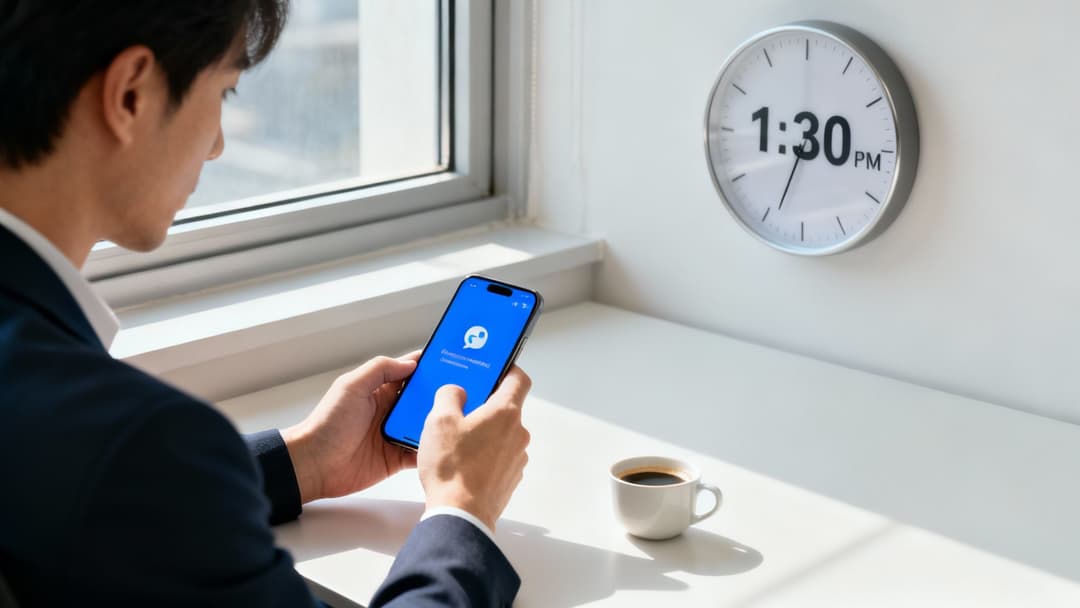
While broad "best time to post" advice can often be misleading, consistent data points to a powerful window of opportunity on Facebook. The weekday midday slot, specifically Tuesday through Thursday between 1 PM and 3 PM, has proven to be a high-engagement period for a wide range of industries. This timing strategically aligns with the natural lulls in the workday, such as lunch breaks and early afternoon attention dips, when users are most likely to switch from work tasks to scrolling their personal feeds on both desktop and mobile.
For performance marketers, this window is more than just about likes and shares; it translates directly to better campaign outcomes. The algorithm on the Facebook platform tends to prioritize fresh content, giving posts published during these peak hours an immediate visibility boost. When audience activity is high, this recency advantage leads to stronger initial engagement, which signals to the algorithm that the content is valuable, further amplifying its reach.
Why This Strategy Drives Results
The effectiveness of the weekday midday strategy lies in its ability to capture users when they are actively seeking a mental break. Competition for ad space during this time is often moderate compared to the more saturated evening hours, leading to potentially more efficient cost-per-result metrics. This balance of high user activity and reasonable ad costs creates a sweet spot for campaign performance.
Key Insight: The 1-3 PM weekday window captures a unique mix of high-intent desktop users at work and casual mobile scrollers on break, maximizing audience variety and engagement potential.
We’ve seen this strategy deliver tangible results across different sectors. B2B SaaS companies, for example, have reported conversion rates up to 23% higher when posting thought leadership content on Tuesdays around 1-2 PM. Similarly, lead generation campaigns for professional services like law firms and financial advisors have seen an 18% performance lift by focusing their ad spend within this midday timeframe.
Actionable Tips for Implementation
To make this strategy work for your brand, you need a methodical approach to scheduling and testing.
- Verify with Your Data: Use AdStellar's performance dashboards to analyze your historical data. Confirm if this 1-3 PM window aligns with your specific audience’s past engagement peaks.
- Time Zone Targeting: Always schedule your posts based on your target audience's primary time zone, not your own. A 1 PM post for a New York audience should go live at 10 AM if you're in California.
- Test and Establish a Baseline: Don't just take our word for it. Run a structured A/B test. Batch-test your creatives in this midday window against evening (7-9 PM) and weekend slots to see the clear performance difference. For a deeper understanding of this process, discover our guide on effective Facebook ad optimization.
- Maximize Impression Share: Schedule multiple unique posts or ad creatives across the Tuesday-Thursday 1-3 PM window. This increases your chances of capturing a larger share of your audience's attention during their peak activity hours.
2. Instagram Peak Evening Strategy (Wednesday-Friday 6-9 PM)
Unlike the professional focus of midday windows, Instagram's user behavior skews heavily toward evening leisure time. The period from Wednesday through Friday between 6 PM and 9 PM consistently emerges as the platform's sweet spot for engagement. This timing capitalizes on the post-workday transition, when users shift from a production mindset to a consumption mindset, making them highly receptive to visual commerce, lifestyle content, and brand discovery through casual scrolling.
For performance marketers, this peak evening slot is crucial for driving direct-response actions. The Instagram algorithm prioritizes fresh content that receives rapid engagement, and posting during these high-traffic hours provides an immediate boost. This initial velocity of likes, comments, shares, and saves signals content quality, leading to expanded reach on the Explore page and within user feeds, maximizing campaign impact.
Why This Strategy Drives Results
The power of the peak evening strategy lies in capturing an audience that is relaxed, highly engaged, and primed for discovery. During these hours, users are actively watching Stories, consuming Reels, and interacting with feed posts. This creates a fertile ground for campaigns focused on visual appeal and impulse buys. Competition can be high, but the sheer volume of active users often outweighs the increased costs, leading to better overall performance.
Key Insight: The 6-9 PM evening slot aligns perfectly with the "lean-back" consumption habits of Instagram users, making it the ideal time to launch visually compelling ads for e-commerce, fashion, beauty, and DTC brands.
This strategy's effectiveness is well-documented. DTC fashion brands frequently report achieving 2.3x ROAS by deploying carousel ads on Wednesdays around 7 PM. Similarly, e-commerce stores have noted a 31% increase in add-to-cart rates by concentrating their ad spend within this 6-9 PM window. Major brands like Shein and Fashion Nova consistently schedule their key posts during these hours to achieve maximum reach and engagement.
Actionable Tips for Implementation
To harness the power of this evening window, a focused and agile content strategy is essential.
- Prioritize Reels: During this high-engagement period, Reels often receive significantly more algorithmic distribution than static posts. Focus your creative efforts on short-form video content to maximize visibility.
- Test Carousel Collections: Use carousel ads to feature product collections, ideally in a 3-5 slide format. This interactive format encourages swiping and has shown to drive higher engagement and click-through rates for e-commerce products.
- Leverage Trending Audio: Incorporate trending audio and relevant hashtags into your Reels. The algorithm is more likely to push content that aligns with current platform trends, especially during peak hours. Discover how to enhance your audience interaction with our guide on leveraging Instagram Direct Message automation.
- Generate Creative Variations: Use AdStellar's bulk creative generation tools to produce multiple variations of your Reels and image ads. A/B testing different hooks, visuals, and calls-to-action within this 6-9 PM window will quickly reveal your top-performing assets.
3. TikTok Viral Window Strategy (Monday & Thursday 6-10 PM)
TikTok's algorithm is a unique beast, prioritizing content discovery and watch time over established follower counts. This creates specific windows where new content has a higher chance of going viral. Data consistently shows that Monday and Thursday evenings between 6 PM and 10 PM are prime time for capturing algorithmic momentum on the For You Page (FYP). This timing capitalizes on distinct user behavior patterns: Mondays are full of "start of the week" energy, while Thursdays capture users seeking entertainment as the week winds down.
Unlike other platforms, TikTok's algorithm heavily favors fresh content and distributes it aggressively in the first few hours after posting. Publishing during these peak activity periods ensures your video gets the initial impressions and engagement signals, like high completion rates, needed to trigger wider distribution. This is a critical factor for performance marketers aiming for organic reach before amplifying with paid ads.
Why This Strategy Drives Results
The power of the Monday and Thursday evening strategy is rooted in TikTok's core mechanics. The platform is designed for rapid content consumption, and these evening hours are when users are most leaned-in and ready to be entertained. By posting when audience attention is highest, you maximize the probability of achieving a high watch-time-to-impression ratio, the single most important metric for the FYP algorithm.
Key Insight: TikTok’s algorithm cares less about who you are and more about how compelling your content is in the first few seconds. Posting during the 6-10 PM Monday/Thursday window gives great content the immediate audience it needs to prove its value and earn viral reach.
This strategy is not just theoretical; it's proven by brands achieving massive scale. E-commerce brands using TikTok Shop have reported sales lifts as high as 4.2x by concentrating their posts on Monday evenings. We've seen countless examples of viral product videos reaching over 5 million views when posted on a Thursday around 8 PM, paired with a trending sound. Brands like Ryanair and Elf Cosmetics master this cadence, using these windows to launch content that dominates the FYP.
Actionable Tips for Implementation
To harness TikTok's viral potential, your execution must be precise and aligned with the platform's culture.
- Hook Viewers Instantly: Your video's first 1-3 seconds must stop the scroll. Completion rate is the primary ranking factor, so a strong opening is non-negotiable. For a masterclass in writing compelling hooks, explore our guide on creating powerful ad copy examples.
- Embrace Trending Sounds: Use sounds from the Discover page within 48 hours of them trending. This is a powerful, low-effort way to tap into existing conversations and boost algorithmic favor.
- Optimize Video Length: While you can post videos up to 60 seconds, the sweet spot for completion rate and virality is often between 21-34 seconds. Test lengths within this range to see what resonates.
- Post with Consistent Cadence: Aim for 3-7 TikToks per week, strategically scheduling 2-3 of your best concepts during the Monday and Thursday peak windows to maximize your chances of a breakout hit.
- Engage Immediately: Respond to comments within the first hour of posting. This early engagement signals to the algorithm that your content is sparking conversation, which can lead to an additional push in distribution.
4. LinkedIn B2B Weekday Morning Strategy (Tuesday-Thursday 7-9 AM)
Unlike leisure-focused platforms, LinkedIn's audience operates on a professional clock. The data consistently shows a prime window for B2B engagement during the weekday morning, specifically Tuesday through Thursday between 7 AM and 9 AM. This period captures professionals during their pre-work routines, commutes, and the initial moments they settle in at their desks, when they are most inclined to catch up on industry news and professional development content.
This timing is not accidental; it aligns perfectly with the user's mindset. At this hour, they are preparing for their workday, looking for insights, and are more receptive to content that offers value, solutions, and professional guidance. For performance marketers, this is a golden opportunity to connect with decision-makers when they are actively in a business-oriented frame of mind.
Why This Strategy Drives Results
The effectiveness of the LinkedIn weekday morning strategy stems from its alignment with professional habits. The platform's algorithm often prioritizes fresh, engaging content, giving posts published during these peak hours an immediate visibility advantage that can carry throughout the business day. As users engage with content early, it signals relevance to the algorithm, amplifying its reach to a wider network of second and third-degree connections.
Key Insight: The 7-9 AM weekday window on LinkedIn targets users when their professional intent is at its highest, leading to more meaningful engagement such as lead form submissions, document downloads, and high-quality website traffic.
This approach delivers measurable B2B outcomes. B2B SaaS companies have reported generating 15-18 qualified leads per $100 in ad spend by deploying content on Tuesdays around 8 AM. Similarly, recruiting firms have seen up to 3.5x higher application rates for job postings published within this 7-9 AM window, demonstrating its power in capturing active and passive candidates alike.
Actionable Tips for Implementation
To capitalize on this prime B2B window, a strategic and value-driven approach is essential.
- Lead with Insight, Not a Sales Pitch: Start your posts with valuable data, a compelling question, or an industry insight. Hard-sell promotional content is less effective during this discovery-oriented time.
- Leverage High-Engagement Formats: Use document carousels (PDFs) and native LinkedIn articles. These formats often receive 2-3x the engagement of a simple link post because they keep the user on the platform longer.
- Include a Clear Call-to-Action: Every post should guide the user. Whether it’s a lead form for a whitepaper, a click to your website, or a direct question to spark comments, make the next step obvious.
- Tag Strategically to Expand Reach: Tag relevant companies or reference job titles (e.g., "Marketing Directors," "CFOs") in your content to notify and draw in key decision-makers. Deeply understanding your audience is key; learn more about how to identify a target audience.
- Engage Immediately to Boost Velocity: The first 30-60 minutes after posting are critical. Respond to comments and engage with discussions promptly to signal activity to the algorithm and significantly amplify your post's organic reach.
5. YouTube Upload Consistency Strategy (Friday 2 PM + Weekly Schedule)
Unlike platforms driven by real-time feeds, YouTube's algorithm rewards long-term consistency and audience behavior more than a specific "best" moment. However, data reveals a powerful strategic window: uploading new content on Friday around 2 PM. This timing is optimal because it aligns with viewer mindset shifts as they prepare for weekend entertainment, and it gives the YouTube algorithm ample time to index and begin promoting the video ahead of peak Saturday and Sunday watch times.
The core of this strategy isn't just about a single upload time; it's about conditioning both the algorithm and your audience to expect content on a predictable schedule. For performance marketers, this consistency builds a reliable viewership base that can be monetized through ads, sponsorships, and direct lead generation, as the audience is primed and actively waiting for new content.
Why This Strategy Drives Results
The effectiveness of the Friday upload combined with a consistent weekly schedule lies in its ability to build viewing momentum. When a video is uploaded on Friday afternoon, it catches the initial wave of viewers looking for content to watch that evening and over the weekend. This initial surge of watch time and engagement signals to the algorithm that the video is valuable, prompting wider distribution across home pages and recommended video sidebars during the highest traffic days of the week.
Key Insight: YouTube prioritizes channels that behave like reliable television networks. A consistent upload schedule trains your subscribers to return at a specific time, creating a powerful feedback loop of initial viewership that boosts algorithmic promotion.
This approach has been a cornerstone for massive channels. Content creators like MrBeast have built empires by maintaining disciplined upload schedules, generating over 150 million monthly views in part due to their audience's trained expectation of new content. In the e-commerce space, product review and unboxing channels often see up to 2.5x more views on videos posted on Fridays compared to other weekdays. Similarly, B2B SaaS brands using consistent weekly educational videos have reported generating 3x more qualified leads by becoming a reliable resource for their niche. To ensure your YouTube videos reach the widest audience, further insights can be found regarding the best time to upload YouTube videos.
Actionable Tips for Implementation
To leverage YouTube's algorithmic preferences, you need a disciplined, long-term content plan.
- Establish Your Cadence: Choose one specific day and time for your uploads and commit to it. Friday at 2 PM is a strong starting point, but the key is consistency. Once you choose, never deviate.
- Plan and Batch Produce: Create a content calendar at least 4-8 weeks in advance. Batch-produce and edit your videos so you're never scrambling to meet your deadline, which ensures quality and consistency.
- Build Pre-Launch Hype: Use YouTube's Community tab or other social platforms on Thursday evening and Friday morning to post behind-the-scenes clips or teasers, building anticipation for the video's release.
- Optimize for Clicks: Your upload time is only effective if people click. Dedicate significant effort to optimizing titles and thumbnails for search intent and a high click-through rate (CTR), aiming for 6-10% or higher.
6. Pinterest Long-Tail Strategy (Tuesday & Wednesday All-Day, Evergreen Focus)
Unlike platforms driven by real-time feeds, Pinterest functions as a visual search engine where content has a remarkably long lifespan. The Tuesday and Wednesday all-day posting strategy is built for this long-tail engagement model. Instead of an immediate spike, Pinterest’s algorithm distributes pins gradually over time. Posting mid-week allows your content to accumulate saves and clicks, building momentum that carries through the rest of the week and into high-traffic weekend periods.
For performance marketers, this means a single pin can drive traffic and conversions for months, not just hours. The platform rewards evergreen, high-utility content that users will discover and save for future reference. A Tuesday post isn't about capturing Tuesday's audience; it's about seeding content that will be found by users planning their purchases, projects, or events weeks and even months down the line.
Why This Strategy Drives Results
The effectiveness of the Pinterest long-tail strategy lies in its alignment with user intent and the platform's search-based algorithm. Users come to Pinterest to plan, discover, and shop, meaning they have a higher commercial intent than on most other social platforms. By posting evergreen content mid-week, you ensure it has the maximum possible window to be indexed and surface in relevant searches before the next content cycle begins.
Key Insight: Pinterest success isn't about timing a 24-hour news cycle; it's about creating a compounding library of visual assets that continuously drive traffic and sales long after they are published.
This approach delivers exceptional return on investment. E-commerce brands in the home goods and clothing sectors often report generating $2-4 in revenue per pin. Similarly, wedding and event planners have driven 40-60% of their total website traffic from a well-executed Pinterest strategy, while DIY and home improvement brands can generate over 5 million monthly pin impressions.
Actionable Tips for Implementation
To capitalize on Pinterest's unique algorithm, your approach must be strategic and consistent.
- Prioritize Evergreen Content: Focus on topics that remain relevant over time. Avoid time-sensitive news or trends unless they have long-term search value for your niche.
- Create Pin Variations: For each blog post or product page, create 10-15 unique pin variations. Use different images, text overlays, and descriptions to maximize your content's reach and appeal to diverse user preferences.
- Optimize Pin Format and Keywords: Use vertical pins (1000x1500px is ideal) as they take up more screen space and perform better. Write detailed, keyword-rich descriptions, treating each pin like a mini-SEO opportunity.
- Leverage Rich Pins: For e-commerce, set up Rich Pins to automatically sync product information like price, availability, and your brand name directly onto the pin. This drastically increases the click-through rate for shoppers.
7. Twitter/X Real-Time Strategy (Monday-Friday 8-10 AM & 5-7 PM Peak Engagement)
Unlike platforms that reward carefully scheduled content, X (formerly Twitter) is a fast-paced environment where the algorithm prioritizes real-time conversation and rapid engagement. The best times to post on social media here are less about scheduling a broadcast and more about timing an entry into an ongoing discussion. Key windows like Monday through Friday from 8-10 AM and 5-7 PM capture peak activity as users start and end their workdays, catching up on news and professional discourse.
Success on X hinges on what happens in the first hour after you post. The platform's algorithm heavily weights early engagement velocity, meaning tweets that receive a flurry of replies, likes, and retweets almost immediately are amplified to a much wider audience. For performance marketers and B2B brands, this makes X an unparalleled tool for thought leadership and community building, demanding active monitoring over automated scheduling.
Why This Strategy Drives Results
This real-time approach is effective because it aligns with the core user behavior on X: discovery and conversation. The 8-10 AM and 5-7 PM windows are when professional audiences are most active, creating a concentrated opportunity to engage with industry leaders, prospects, and customers. By participating actively during these periods, brands can insert themselves into relevant, trending conversations, building authority and trust far more effectively than with a simple scheduled post.
Key Insight: On X, engagement velocity is the primary ranking signal. A tweet’s performance is determined more by its first 60 minutes of interaction than by the specific time it was posted, making immediate, active engagement non-negotiable.
This strategy generates tangible outcomes. B2B SaaS companies have successfully generated over 150 qualified leads per month by consistently sharing insights and engaging with their community during these peak hours. Similarly, product launches have gained over 500,000 impressions in a single day by leveraging the high user activity in the 8-10 AM window to spark initial conversation and drive momentum.
Actionable Tips for Implementation
To capitalize on X’s real-time nature, your approach must be active and responsive.
- Engage Immediately: Post your core messages during the 8-10 AM or 5-7 PM windows, but be prepared to stay online. Monitor mentions and replies in real-time and aim to respond within 30 minutes to boost algorithmic favor.
- Use the Thread Format: A well-structured thread of 3-5 tweets typically generates 2-3 times higher engagement than a single tweet. Use this format to tell a story or break down a complex topic, encouraging users to read and reply.
- Ask Questions to Spark Conversation: Don't just broadcast information; actively invite responses. End your tweets with a question to make it easy for your audience to engage, which directly fuels the engagement velocity your posts need.
- Join Existing Conversations: Use AdStellar's social listening tools to monitor industry hashtags and trending topics. Participating in relevant, ongoing discussions is often more effective than trying to start one from scratch. A comprehensive paid social media strategy should integrate both organic participation and paid promotion to maximize reach.
Best Days to Post: 7-Platform Comparison
| Strategy | Implementation Complexity | Resource Requirements | Expected Outcomes | Ideal Use Cases | Key Advantages |
|---|---|---|---|---|---|
| Facebook Weekday Midday Strategy (Tue-Thu 1-3 PM) | Moderate — scheduled campaigns, time-zone adjustments, A/B tests | Moderate creative + targeting, AdStellar scheduling and analytics, mid-level ad spend | Higher CTR/converted leads, improved CPA vs evenings, consistent performance | B2B SaaS, professional services, lead generation | Good balance of engagement and auction competitiveness; reaches users in decision-making mindset |
| Instagram Peak Evening Strategy (Wed-Fri 6-9 PM) | Moderate–High — frequent creative refreshes, Reels-first approach | High-quality video/visual assets, influencer/UGC coordination, higher ad bids | Peak engagement, improved e‑commerce conversions and Reels distribution | DTC fashion, lifestyle, visual commerce, influencer campaigns | Strong visual commerce performance and high evening consumption |
| TikTok Viral Window Strategy (Mon & Thu 6-10 PM) | High — rapid trend response, frequent posting, fast iteration | Continuous short-form video production, trend monitoring, community engagement | Elevated organic reach and viral lift, low CPV when successful | DTC targeting Gen Z, trend-driven campaigns, entertainment brands | Algorithm-driven virality; organic distribution can outperform paid reach |
| LinkedIn B2B Weekday Morning (Tue-Thu 7-9 AM) | Moderate — professional content planning and targeted outreach | High-quality thought leadership content, precise audience targeting, lower volume ads | Higher-quality leads, lower CPL for B2B, stronger CTR on educational content | B2B SaaS, recruiting, consulting, finance | Reaches decision-makers in work mindset; extended morning distribution |
| YouTube Upload Consistency Strategy (Fri 2 PM + weekly) | Medium–High — sustained production schedule and channel management | Significant video production resources, content calendar, optional ad spend | Growing channel authority, predictable weekend views, better ad placements | Educational channels, product reviews, brand storytelling | Platform rewards consistent schedules; stronger weekend watch-time patterns |
| Pinterest Long-Tail Strategy (Tue & Wed all-day, evergreen) | Low–Moderate — steady pinning and SEO-focused assets | Image design, keyword research, many pin variations, modest budget | Long-term referral traffic, low CPC, sustained conversions over months | Home, DIY, wedding, e‑commerce lifestyle brands | Long content lifespan and high purchase intent; cost-effective sustained traffic |
| Twitter/X Real-Time Strategy (Mon-Fri 8-10 AM & 5-7 PM) | High — active monitoring, rapid replies, trend participation | Dedicated community manager(s), fast content creation, moderation | Real-time reach, thought-leadership visibility, viral news-driven spikes | B2B thought leadership, PR, product launches, tech founders | Strong real-time conversation amplification; high influencer concentration |
From Best Practices to Best Performance: Your Path Forward
After exploring the optimal posting times across Facebook, Instagram, TikTok, and beyond, it’s clear that a one-size-fits-all schedule is a myth. The search for the universally “best days to post on social media” often leads marketers down a path of generic advice. While the platform-specific recommendations in this guide provide a powerful, data-backed starting point, they are not the final destination. True performance mastery is achieved when you transition from adopting best practices to discovering your brand's unique performance peaks.
Think of the timings we’ve discussed not as rigid rules, but as your initial set of hypotheses. The B2B goldmine on LinkedIn from Tuesday to Thursday mornings, the evening engagement window on Instagram, and the real-time pulse of X are your baselines for experimentation. The real value lies in what you do next: meticulously testing, measuring, and iterating on these foundations.
The Shift from 'When' to 'Why'
The most sophisticated performance marketers understand that the question isn't just when to post, but why a certain time works. Your brand’s ideal schedule is a living, breathing strategy that adapts to your audience's behavior, campaign objectives, and even seasonal trends.
Key Insight: Your best posting day is not a static entry on a calendar; it's a dynamic variable that is discovered through rigorous testing and is directly tied to your specific KPIs, whether that's ROAS, lead quality, or brand awareness.
For example, an e-commerce brand might find that while Wednesday evenings on Instagram drive high engagement (likes and comments), Friday afternoon posts generate a significantly higher click-through rate and ROAS as consumers plan their weekend purchases. A B2B SaaS company might discover that while Tuesday mornings on LinkedIn are great for top-of-funnel content, Thursday afternoons yield more demo requests from senior decision-makers. This is the level of granularity that separates good results from exceptional ones.
Building Your Optimization Playbook
To move beyond generic schedules, you need a systematic approach. Your path forward involves establishing a continuous feedback loop driven by your own data.
- Establish Your Baseline: Start by implementing the platform-specific schedules outlined in this guide for two to four weeks. This creates a control group and gives you a consistent data set to measure against.
- Isolate Your Variables: Don’t test everything at once. Dedicate specific weeks to testing new days or times. For instance, if your baseline for Facebook is Tuesday at 1 PM, test a variant on Monday at 1 PM while keeping the creative and audience consistent.
- Define Success Metrics: Be crystal clear on your primary KPI for each test. Are you optimizing for engagement rate, conversion rate, cost per lead, or return on ad spend? The “best” time will change depending on your objective.
- Analyze and Iterate: After each testing cycle, dive into your analytics. Did the new time slot outperform the baseline? If so, it becomes your new control. If not, discard it and test another hypothesis.
Automating Your Ascent to Peak Performance
This manual process of testing, measuring, and iterating is effective but incredibly time-consuming, especially when managing multiple campaigns or clients. This is where AI-powered automation becomes a game-changer for performance-focused teams. The core principle of finding the best days to post on social media is fundamentally a data problem, one that machine learning is uniquely equipped to solve at scale.
Platforms like AdStellar AI are designed to automate this entire optimization playbook. Instead of manually setting up A/B tests for different time slots, the AI can run hundreds of creative, audience, and timing variations simultaneously. It ingests your historical campaign data to understand your past successes, then launches new campaigns with schedules already optimized for your specific goals.
This transforms the guesswork of scheduling into a precise, data-driven workflow. It allows you to move beyond industry benchmarks and uncover your true, hyper-specific performance windows with scientific accuracy and speed. The future of social media marketing isn't just about knowing the best practices; it's about deploying systems that continuously discover what performs best for you.
Ready to stop guessing and start knowing your optimal posting times? AdStellar AI transforms your historical ad data into a predictive engine, automating the testing and scheduling process to find your unique performance peaks. See how you can unlock higher ROAS and scale your campaigns with precision by visiting AdStellar AI and connecting your account today.