In the competitive world of paid advertising, the right digital marketing creatives are the single most important lever for scaling campaigns profitably. While precise targeting and optimized bidding are crucial components of any successful strategy, it's the ad creative itself that ultimately stops the scroll, captures attention, and persuades a user to act. A powerful creative can dramatically lower acquisition costs and increase return on ad spend (ROAS), while a weak one can drain your budget with minimal impact, regardless of how perfect your audience setup is. The difference between a winning campaign and wasted ad spend often comes down to the visual and messaging strategy.
This guide moves beyond generic advice and dives deep into the anatomy of high-performing ads. We will dissect 10 proven creative formats, from compelling short-form video ads and interactive carousels to authentic user-generated content (UGC) and hyper-personalized dynamic ads. For each example, we'll break down the specific psychological triggers and strategic elements that make it effective.
You will learn exactly why each format works, which key performance indicators (KPIs) they are best suited to influence, and how to replicate their success. We'll also provide actionable production tips to help you create and test variations at scale, fast-tracking your path to identifying winning digital marketing creatives for your own campaigns. Forget the guesswork; this is your blueprint for building ads that convert.
1. Short-Form Video Ads
Short-form video ads (typically 15-60 seconds) are the dominant force in paid social advertising, leveraging motion, sound, and rapid storytelling to capture user attention in fast-scrolling feeds on platforms like Meta, TikTok, and YouTube Shorts. These dynamic assets are essential for performance marketing because they consistently outperform static images, driving higher engagement and conversion rates. Their effectiveness lies in their ability to quickly communicate value, showcase products in action, and build an emotional connection.
Strategic Breakdown
Short-form video thrives by aligning with modern content consumption habits. Brands like Shein use rapid-fire cuts to showcase multiple products in under 15 seconds, creating a sense of variety and urgency. In contrast, Dollar Shave Club's early viral ads used brand storytelling and humor to build a memorable identity, proving that even simple productions can have a massive impact. This format is ideal for top-of-funnel awareness (driving brand recall) and bottom-of-funnel conversions (showcasing a direct product benefit or offer).
Key Insight: The first 3 seconds determine success. The primary goal is to stop the scroll. Hook viewers immediately with a compelling question, a visually arresting scene, or a clear value proposition.
Actionable Takeaways & Production Tips
To effectively create these high-impact digital marketing creatives, focus on a structured yet agile production process.
- Lead with the Hook: Start with your most compelling message or visual. Test different hooks: problem/solution (e.g., "Tired of X?"), curiosity ("This one trick changed..."), or a direct benefit ("Get 50% off today").
- Optimize for Silent Viewing: A reported 85% of social media videos are watched without sound. Use bold, easy-to-read captions and text overlays to ensure your message lands.
- Test & Scale Rapidly: Don't just create one video. Use a tool like AdStellar AI to generate dozens of variations with different hooks, calls-to-action, and music. This allows you to A/B test efficiently and find winning combinations faster.
- Embrace Native Formats: To maximize impact, it's crucial to understand the nuances of each platform. For instance, mastering platform-specific trends and learning how to go viral on TikTok can provide invaluable insights for creating content that feels organic and engaging. Also, ensure your videos are formatted correctly for each placement by checking the latest video ad specifications for platforms like Meta.
2. Carousel Ads
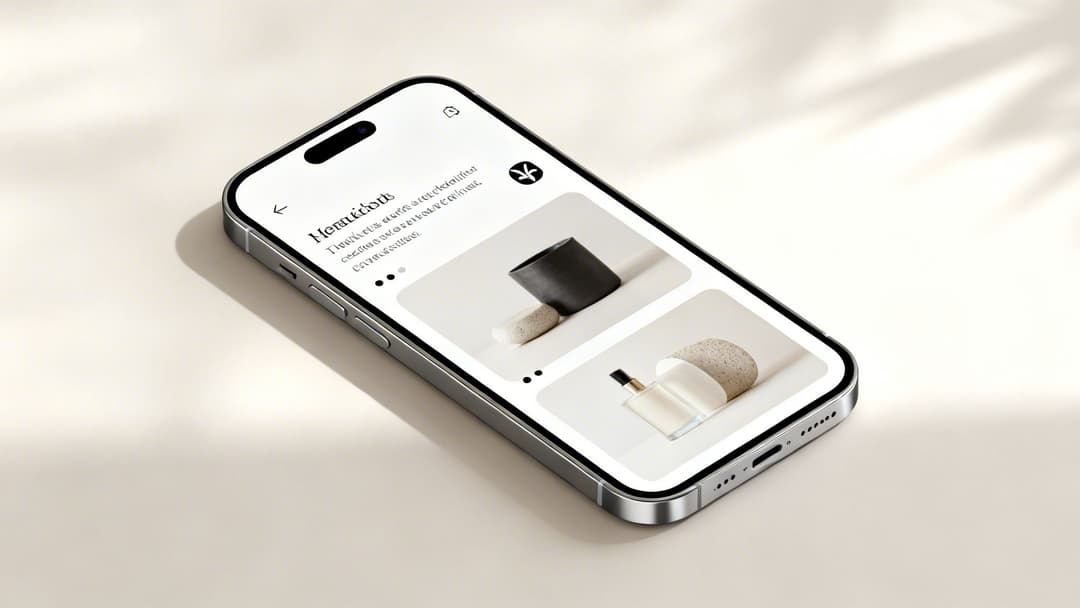
Carousel ads are a highly engaging, multi-card ad format that allows users to swipe through a series of images or videos within a single ad unit. This interactive experience is perfect for showcasing multiple products, highlighting different features, or telling a sequential story. On platforms like Meta and LinkedIn, carousels consistently drive higher engagement and click-through rates compared to static single-image ads because they encourage user interaction and deliver more information in a compact space.
Strategic Breakdown
Carousel ads excel at guiding a user through a narrative or a collection. For example, an e-commerce brand like Wayfair can use a carousel to showcase a complete room transformation, with each card revealing a different piece of furniture. A SaaS company can use the format to walk a potential customer through a step-by-step feature demonstration. This makes carousels one of the most versatile digital marketing creatives, effective for both top-of-funnel storytelling and bottom-of-funnel product showcases that drive direct sales.
Key Insight: The first card is your hook, but the last card is your call-to-action powerhouse. Use the final card to summarize the offer and present a clear, compelling CTA that prompts the user to take the next step.
Actionable Takeaways & Production Tips
To build high-performing carousel ads, focus on creating a cohesive and compelling journey from the first card to the last.
- Lead with Your Best Performer: Always place your most popular product or strongest value proposition in the first card to immediately capture interest and encourage users to swipe.
- Tell a Cohesive Story: Ensure a consistent visual identity across all cards. Use a continuous background image or graphic elements that span multiple cards to create a seamless, panoramic effect that entices swiping.
- Customize Each Card: Avoid repeating the same headline and description. Tailor the copy for each card to highlight the specific product or benefit being shown, and match it with a unique CTA (e.g., "Shop Sofas," "Explore Rugs").
- Leverage Dynamic Product Feeds: Use a tool like AdStellar AI to automatically generate dozens of carousel variations directly from your product catalog. This allows you to test different product combinations and find the most profitable arrangements without manual effort. For more in-depth strategies, explore best practices for effective carousel Instagram ads.
3. Static Image Ads
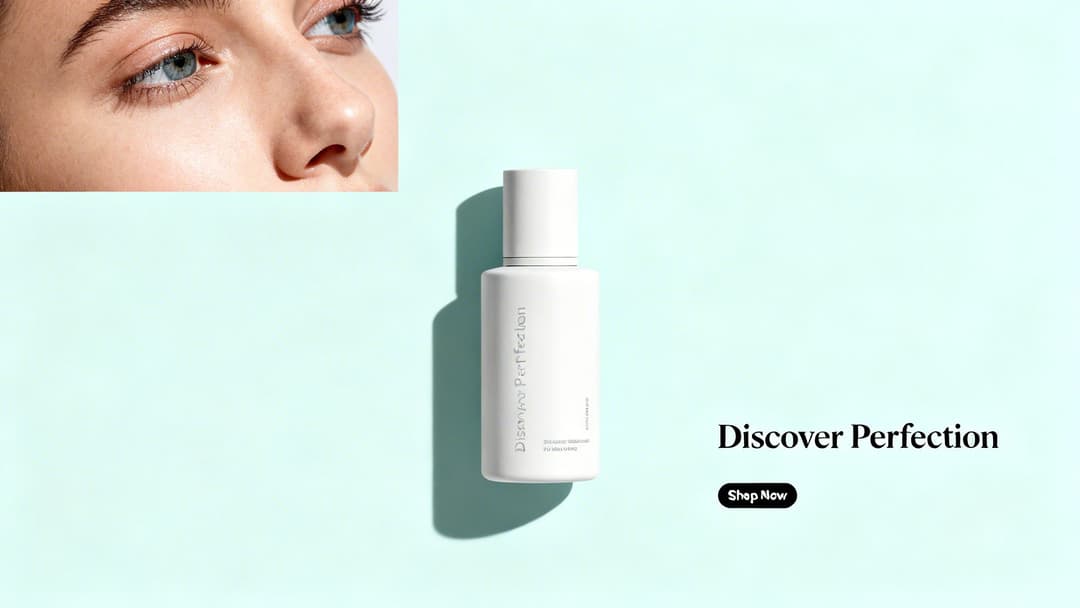
Static image ads are single-image digital marketing creatives accompanied by a headline, text, and a call-to-action button. Despite the dominance of video, static images remain a foundational element of paid advertising, valued for their simplicity, cost-effectiveness, and reliable performance. They are quick to produce, load instantly, and excel in direct-response campaigns where clarity and a strong value proposition are paramount.
Strategic Breakdown
Static ads cut through the noise with a single, powerful message. Brands like Warby Parker use minimalist, high-contrast product shots to convey quality and style instantly. Similarly, B2B SaaS companies like Notion and Slack leverage clean screenshots of their user interface to demonstrate product value without complexity. This format is incredibly versatile, ideal for driving bottom-of-funnel conversions with a clear offer or building top-of-funnel awareness with striking, brand-aligned imagery.
Key Insight: A static ad must communicate its entire message in a 3-second glance. Success hinges on a single focal point, high visual contrast, and a crystal-clear value proposition that stops the user’s scroll.
Actionable Takeaways & Production Tips
To produce effective static image ads, prioritize clarity, visual impact, and rapid iteration. This approach ensures your digital marketing creatives are always optimized for performance.
- Design for the Thumb-Stop: Use bold, contrasting colors and a clear focal point. Including a human face can increase engagement significantly. Ensure any text overlay is large and legible on a small mobile screen.
- Focus on a Single Message: Avoid clutter. Each static ad should have one clear goal, whether it’s showcasing a product benefit, announcing a sale, or highlighting a key feature.
- Generate and Test Variations at Scale: A single static concept is not enough. Use a tool like AdStellar AI to quickly generate dozens of variations, testing different background colors, product angles, headline copy, and calls-to-action to identify the top-performing combination.
- Align Creative with Ad Copy: Ensure the image, headline, and body text work together to tell a cohesive story. A disconnect between the visual and the text can confuse users and hurt conversion rates.
4. User-Generated Content (UGC) Ads
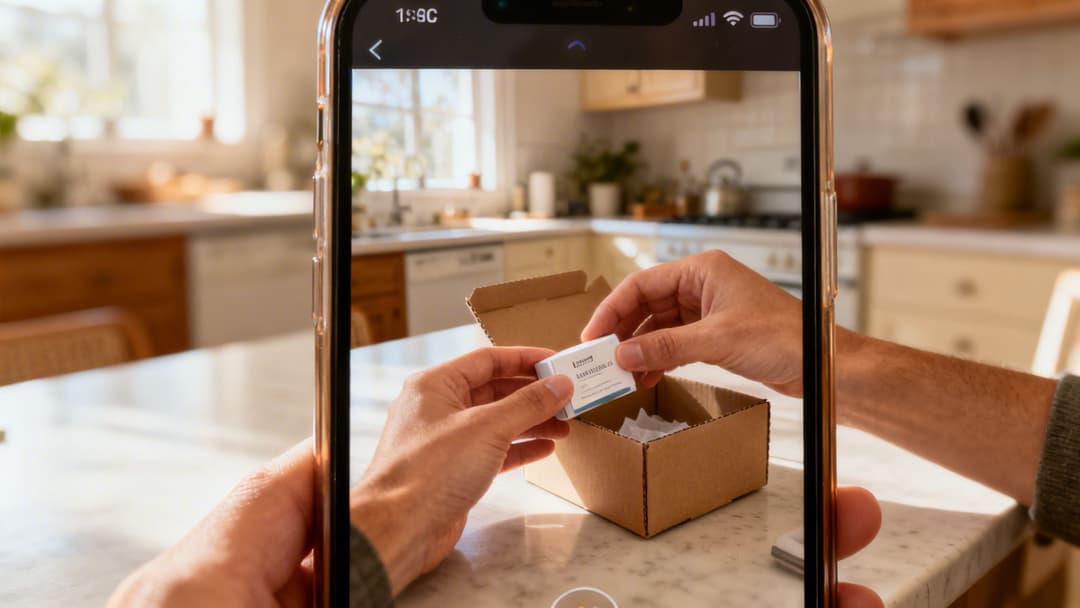
User-Generated Content (UGC) ads leverage authentic content created by real customers, influencers, and brand advocates, rather than professional production teams. These digital marketing creatives feature unpolished, relatable footage that builds immense trust and credibility. By showcasing products in real-life contexts, UGC ads often generate significantly higher engagement and conversion rates than polished, branded content due to their perceived authenticity.
Strategic Breakdown
UGC thrives because it mirrors the native, peer-to-peer content that users already trust on social platforms. Brands like Glossier built their empire on customer-submitted makeup looks, while GoPro uses exhilarating user adventure footage to sell a lifestyle, not just a camera. This approach excels at breaking down purchase barriers by providing social proof directly within the ad, making it ideal for mid-funnel consideration and bottom-funnel conversion campaigns.
Key Insight: Authenticity is the primary driver of performance. The less an ad looks like an ad, the more effective it becomes. The goal is to present a genuine customer experience, not a polished brand message.
Actionable Takeaways & Production Tips
To effectively harness customer voices, focus on building a scalable system for sourcing, managing, and testing UGC.
- Brief for Benefits, Not Scripts: When working with creators, provide them with key product benefits and talking points but avoid rigid scripts. Encourage natural, unedited-style content that reflects their genuine experience for the highest authenticity.
- Secure Usage Rights: Always create clear rights agreements that allow you to use the content in paid advertising for a specific period (e.g., 6-12 months). This protects both your brand and the creator.
- Systemize UGC Management: Use a tool like AdStellar AI to organize, tag, and analyze all your UGC assets. This allows you to quickly identify top-performing creators and creative angles based on real performance data.
- Scale with Micro-Creators: Partner with 10-20 micro-creators (10k-100k followers) to generate a diverse library of content. To effectively leverage these authentic voices, explore proven user generated content strategies that boost engagement and grow your brand.
5. Collection Ads
Collection ads are an immersive, mobile-first format on platforms like Meta that seamlessly bridge discovery and commerce. When a user taps the ad, it opens a full-screen, shoppable Instant Experience, showcasing a primary hero asset (video or image) followed by a grid of related products. This format excels at reducing friction by allowing users to browse a curated catalog and click through to purchase without ever leaving the app, making it one of the most effective digital marketing creatives for e-commerce brands.
Strategic Breakdown
Collection ads convert high-intent users by transforming passive browsing into an active shopping session. Fashion and home goods brands like Sephora use them to showcase curated sets (e.g., "Summer Glow Kit"), allowing users to explore complementary products in a single, cohesive experience. Similarly, Nike effectively groups products by sport or new apparel line, guiding users from an inspiring video directly to a relevant product grid. This format is ideal for bottom-of-funnel campaigns targeting users who have already shown interest, as it simplifies the path to purchase and boosts average order value.
Key Insight: Success hinges on curating a logical and compelling product set. The collection should tell a story or solve a specific need, not just display random items.
Actionable Takeaways & Production Tips
To build high-converting collection ads, focus on creating a frictionless and visually consistent shopping journey.
- Lead with Your Hero: Feature your best-selling or most visually appealing product in the main cover video or image to maximize initial engagement and entice users to open the Instant Experience.
- Curate Thematically: Group products logically. Create collections based on themes like "New Arrivals," "Bestsellers," or complementary items like a full outfit. A disorganized product grid will kill conversions.
- Maintain Visual Consistency: Ensure all product images in the grid share a similar background, lighting, and style. This creates a professional, catalog-like feel that builds trust and enhances the browsing experience.
- Automate & Optimize: Manually creating and testing dozens of product combinations is inefficient. Use a tool like AdStellar AI to automatically generate collection ad variations based on your product feed's performance data, allowing you to quickly identify the most profitable combinations.
6. Lead Magnet Ads (Lead Gen Forms)
Lead magnet ads are designed specifically to capture customer information directly within a social media platform using native lead generation forms. Instead of sending users to an external landing page, these ads present a form pre-filled with the user's profile information (like name and email), drastically reducing friction and increasing conversion rates for lead acquisition. This format is a cornerstone for B2B, SaaS, and service-based businesses focused on building their marketing funnels.
Strategic Breakdown
The power of lead magnet ads lies in the value exchange: offering a high-value resource in return for contact details. HubSpot excels at this by offering free, practical resources like marketing plan templates or ROI calculators, which solve an immediate problem for their target audience. Similarly, Zendesk uses lead gen forms to offer insightful comparison guides, positioning themselves as a knowledgeable authority while capturing qualified leads. These digital marketing creatives work by making the sign-up process seamless and instantaneous.
Key Insight: The perceived value of the lead magnet is more important than the ad creative itself. A compelling offer like a free tool, an exclusive guide, or a valuable template will outperform even the most polished ad with a weak offer.
Actionable Takeaways & Production Tips
To build a successful lead generation engine with this format, focus on optimizing the offer and minimizing user effort.
- Offer Genuine Value: Your lead magnet must be irresistible. Test different formats: a free template, an exclusive ebook, a webinar registration, or a free consultation. The copy should sell the benefit, not the form (e.g., "Get Your Free Marketing Plan" vs. "Fill Out Our Form").
- Keep Forms Minimalist: Only ask for essential information. Stick to 3-5 fields maximum, such as name, work email, and company name. Every additional field you add will cause a drop-off in your conversion rate.
- Automate Immediate Follow-Up: Have a welcome email sequence ready to trigger the moment a lead is captured. Deliver the promised asset immediately and outline the next steps to nurture the lead effectively.
- Iterate on Your Offer: Don't settle on one lead magnet. Use a creative automation tool to rapidly test dozens of offer variations against different audience segments. Understanding the nuances of creating high-converting lead gen ads can help you refine your strategy and scale your acquisition efforts.
7. Testimonial & Review Ads
Testimonial and review ads leverage the power of social proof by featuring authentic customer feedback, 5-star ratings, or case study highlights. These digital marketing creatives are designed to build trust and dismantle purchase hesitation by showcasing positive experiences from real users. In competitive markets, they are a critical tool for boosting conversion rates, as they provide third-party validation that is often more persuasive than brand-led messaging.
Strategic Breakdown
The core strategy of testimonial ads is to let satisfied customers become your most effective salespeople. Platforms like Trustpilot and G2 run campaigns that feature verified review snippets and star ratings, establishing themselves as authoritative sources of consumer trust. SaaS companies like Notion frequently use ads that quote specific praise from users at well-known companies, borrowing credibility and demonstrating enterprise-level value. This format excels at middle- and bottom-of-funnel marketing, targeting prospects who are evaluating options and need a final nudge toward conversion.
Key Insight: Specificity trumps generic praise. A testimonial that says, "This software saved our team 10 hours a week," is infinitely more powerful than one that simply says, "Great product!"
Actionable Takeaways & Production Tips
To create testimonial ads that convert, focus on sourcing and presenting feedback that directly addresses your target audience's pain points.
- Source Benefit-Driven Reviews: Actively look for reviews that mention a specific, quantifiable benefit. Highlight quotes that talk about time saved, revenue gained, or a problem solved.
- Match Testimonials to Audience Segments: Show testimonials from new customers to prospects in the awareness stage. For upselling campaigns, use reviews from power users who can speak to advanced features or long-term value.
- Test Formats Vigorously: Don't limit yourself to static quotes. Create video testimonials where customers share their stories. A/B test a simple 5-star graphic against a detailed quote card to see what resonates best with your audience.
- Automate and Scale with AI: Use a creative automation tool to efficiently generate numerous ad variations. You can auto-pull your best reviews and pair them with different headlines, images, and CTAs to discover the most effective combinations without manual effort.
8. Retargeting/Remarketing Ads
Retargeting ads are personalized creatives shown to users who have already interacted with your brand, such as website visitors or cart abandoners. By leveraging pixel data and audience lists, these ads re-engage warm prospects with highly relevant messaging, making them one of the most effective types of digital marketing creatives for driving conversions. Their power lies in their ability to remind, persuade, and convert users who have already shown interest, consistently delivering a higher Return on Ad Spend (ROAS) than top-of-funnel campaigns.
Strategic Breakdown
Retargeting campaigns excel by capitalizing on existing familiarity and purchase intent. For example, an e-commerce brand like Wayfair uses dynamic product ads to show a user the exact couch they viewed, often paired with similar items to encourage a second look. Similarly, a SaaS company can retarget webinar sign-ups with a compelling case study ad, moving them closer to a demo request. The core strategy is to match the creative to the user's specific stage in the funnel, from browse abandonment (showcasing the product again) to post-purchase (offering a complementary upsell).
Key Insight: Personalization and timing are everything. A user who abandoned their cart 24 hours ago requires a different message (a simple reminder) than someone who hasn't visited in 30 days (a win-back offer with a discount).
Actionable Takeaways & Production Tips
To build high-converting retargeting campaigns, focus on audience segmentation and message sequencing.
- Segment Your Audiences: Don't treat all visitors the same. Create separate audiences for homepage visitors, product viewers, add-to-carts, and past purchasers. Tailor your ad creative and offer to each segment's level of intent.
- Use Dynamic Product Ads (DPAs): For e-commerce, DPAs are non-negotiable for cart abandoners. They automatically pull products from your catalog that a user viewed or added to their cart, creating an ultra-personalized ad with minimal effort.
- Layer Your Messaging: Create a timed sequence. Day 1 might be a simple reminder ("Forgot something?"). Day 3 could introduce social proof ("See why 5,000+ customers love it"). Day 7 can add urgency ("Your cart expires soon!").
- Generate & Test Offer Variations: Systematically test different offers for each segment. Use a tool like AdStellar AI to generate hundreds of copy and offer combinations, then run A/B tests to discover what resonates. For a deeper dive into setup and strategy, explore these best practices for Facebook retargeting ads.
9. Interactive & Playable Ads
Interactive and playable ads transform passive viewing into active participation by embedding a mini-game, product configurator, or interactive quiz directly within the ad unit. These digital marketing creatives are exceptionally effective for app installs and lead generation, as they offer a "try before you buy" experience that significantly boosts engagement, time spent with the brand, and conversion rates. Instead of just telling users about a product, these ads let them experience its core value instantly.
Strategic Breakdown
The power of interactive ads lies in their ability to pre-qualify users and deliver a memorable brand experience. Mobile gaming companies like King and Scopely mastered this by offering bite-sized, playable demos of their games, allowing users to experience the core gameplay loop before committing to a download. This reduces friction and attracts higher-intent users. Similarly, LEGO allows users to build with virtual bricks within an ad, while Duolingo presents a quick language lesson, perfectly aligning the ad experience with the app's primary function.
Key Insight: The goal is not to create a full game but to deliver a "micro-experience." Focus on showcasing the single most satisfying or valuable action a user can take within your product, and make it achievable in under 30 seconds.
Actionable Takeaways & Production Tips
To create compelling interactive and playable ads, prioritize simplicity and a clear value exchange.
- Focus on a Single, Simple Interaction: The core interaction should be intuitive and require only 1-3 taps to complete. Whether it’s swiping to match gems, tapping to choose a product color, or answering a single quiz question, keep the barrier to entry low.
- Design for a Short Engagement Window: Assume you have a user's attention for 30 seconds at most. The ad must deliver its "aha" moment quickly, followed by a clear and compelling call-to-action like "Download Now" or "Customize Yours."
- Align Interaction with Brand Value: Ensure the game mechanic or interaction directly relates to your product's benefit. A fashion brand could use a style configurator, while a finance app could offer a simple savings calculator. Irrelevant gamification can confuse users and hurt performance.
- Leverage A/B Testing: Don't assume one interactive concept will work for everyone. Use a platform like AdStellar AI to test variations of your playable creative, experimenting with different interactive elements, messaging, and final calls-to-action to identify the top-performing versions for your audience.
10. Dynamic & Personalized Ads
Dynamic and personalized ads are automated creatives that adjust their content, such as images, copy, and product recommendations, based on user data, behavior, or audience segments. Powered by AI and machine learning, these ads deliver individualized experiences at scale, making them essential for e-commerce, retargeting, and performance-driven marketing campaigns. Their strength lies in showing the right product to the right person at the right time, dramatically increasing relevance and conversion rates.
Strategic Breakdown
Dynamic ads excel at bottom-of-funnel retargeting and large-scale product catalog promotion. Amazon's sponsored ads, for instance, dynamically show you products you recently viewed or items related to your search history, creating a highly personalized shopping journey. Similarly, Spotify's Wrapped campaign uses personalized data to create shareable and engaging audio ads that recap a user's listening habits. This type of digital marketing creative moves beyond one-size-fits-all messaging to build a one-to-one connection with the consumer.
Key Insight: Personalization is not just about using a first name. True dynamic advertising leverages behavioral signals (e.g., products viewed, items added to cart) to deliver hyper-relevant content that solves a specific user need.
Actionable Takeaways & Production Tips
To effectively leverage dynamic ads, you need a solid data foundation and a systematic approach to testing creative components.
- Ensure Data Quality: Your product feed and CRM data must be clean, accurate, and regularly updated. Stale recommendations or incorrect pricing will kill campaign performance.
- Start with Core Variables: Begin by personalizing based on 3-5 key variables, such as purchase history, on-site behavior, or engagement level, before adding more complexity.
- Use AI for Optimization: Don't guess which combinations work. Use a tool like AdStellar's AI Insights to analyze performance and identify which personalized elements drive the highest ROAS.
- Layer with Privacy-First Signals: Combine behavioral data with privacy-compliant signals like contextual targeting to enhance personalization. To dive deeper, explore the fundamentals of what dynamic creative optimization is and how to implement it effectively.
Top 10 Digital Marketing Creatives Comparison
| Ad Type | Implementation complexity | Resource requirements | Expected outcomes | Ideal use cases | Key advantages |
|---|---|---|---|---|---|
| Video Ads (Short-Form) | Medium–High (shooting, editing, continuous testing) | Video production, editors, motion assets, higher budget | Higher engagement, brand lift, improved conversions vs. static | Performance marketing, product launches, social feeds | Strong storytelling, mobile-first, thumb-stopping |
| Carousel Ads | Medium (multiple cards, sequencing) | Multiple images/videos, per-card copy, feed management | Higher conversion vs. single-image, showcase variety | Multi-product campaigns, category storytelling, catalog promos | Sequential storytelling, multi-product display |
| Static Image Ads | Low (single creative) | Single high-res image, basic design resources | Reliable conversions, fast testing and iteration | Conversion-focused campaigns, large-scale A/B testing | Lowest cost, fastest production, universal format |
| User-Generated Content (UGC) Ads | Low–Medium (sourcing & rights) | Creator partnerships, content curation, rights clearance | Very high conversion and engagement from authenticity | DTC/e‑commerce, social proof-driven ads | High trust/Social proof, low production cost |
| Collection Ads | Medium (catalog + in-app experience) | Product catalog integration, consistent product imagery | Seamless discovery→purchase, higher in-app conversion | E‑commerce catalogs, seasonal collections, impulse buys | In-app shopping, reduced purchase friction |
| Lead Magnet Ads (Lead Gen Forms) | Low–Medium (form & offer setup) | Compelling offer assets, CRM/form integration | High form completions, faster lead capture | B2B SaaS, professional services, webinar/trial offers | Native forms, higher completion rates, direct CRM routing |
| Testimonial & Review Ads | Low (repurposing reviews) | Review/testimonial library, permissions, simple design | Increased trust, uplifted conversions in competitive areas | Trust-building, conversion optimization, high-skepticism categories | Strong social proof, low production needs |
| Retargeting/Remarketing Ads | Medium–High (pixel + segmentation) | Pixel setup, audience lists, dynamic creative assets | Highest ROAS, lower CPA for warm audiences | Cart abandonment, browse abandonment, upsells | Highly personalized messaging, efficient spend |
| Interactive & Playable Ads | High (dev + UX + testing) | Developers, designers, QA, higher production budget | Exceptional engagement, strong app-install or demo rates | App installs, product configurators, brand experiences | Deep engagement, measurable preference data |
| Dynamic & Personalized Ads | High (data & ML integration) | Robust data infrastructure, AI/automation, feed maintenance | Largest personalization lift, scalable conversion improvements | Large catalogs, personalized commerce, high-volume e‑commerce | Real-time personalization at scale, continuous optimization |
Scaling Your Creative Strategy from 10 to 10,000 Ads
We’ve dissected a diverse portfolio of high-performing digital marketing creatives, from the raw authenticity of UGC-style videos to the hyper-personalized precision of dynamic product ads. The journey through these examples reveals a powerful, unifying truth: effective creative is not a lottery, it's a system. The most successful brands don't stumble upon a single "perfect ad." Instead, they build a resilient, data-driven engine designed to consistently discover and scale what works.
The core principles that tie together a winning carousel ad, a high-converting lead magnet, and an engaging playable ad are the same. They are all built on a deep understanding of audience psychology, a clear value proposition, and an unwavering commitment to testing. Each format is simply a different vehicle for delivering that core message.
Distilling the Core Principles of Winning Creatives
As you move from inspiration to implementation, remember the fundamental pillars we've uncovered. These are the strategic constants that underpin successful digital marketing creatives across all platforms and formats.
- Clarity Over Cleverness: Your audience is scrolling fast. Your ad must communicate its core value proposition in under three seconds. A clever hook that requires a moment of thought is a hook that has already failed.
- Authenticity as the Ultimate Hook: Whether it's genuine user-generated content or a polished studio ad that speaks an authentic truth about your customer's problem, realness resonates. Today’s consumers are experts at spotting inauthentic marketing from a mile away.
- The Power of the Pattern-Interrupt: The first and most important job of any ad is to stop the scroll. This is achieved through surprising visuals, bold text overlays, an unexpected sound, or a question that directly addresses a viewer's pain point.
- One Ad, One Job: A single ad cannot be a brand manifesto, a product demo, and a direct response offer all at once. Define a primary objective for each creative (e.g., click-through, lead submission, add-to-cart) and optimize every element to achieve that singular goal.
From Manual Effort to Automated Excellence
Understanding these principles is the first half of the battle. The second, more challenging half is execution at scale. Manually creating, testing, and analyzing dozens, let alone hundreds, of ad variations is a logistical nightmare that consumes valuable time and resources. This is where the strategic advantage shifts from pure creative intuition to operational efficiency.
The future of performance marketing lies in leveraging technology to automate the repetitive tasks of creative production and testing, freeing up marketers to focus on high-level strategy. Instead of spending hours in a design tool resizing a static image for different placements, you should be analyzing performance data to uncover your next winning angle.
This is the paradigm shift that unlocks exponential growth. The goal is not just to create better ads, but to build a better system for finding them. By combining the proven ad formats we’ve explored with an intelligent testing methodology, you transform creative development from a bottleneck into a growth accelerator. You can launch thousands of data-informed variations, allowing algorithms to quickly identify top performers against your key metrics like ROAS or CPA. This allows you to re-invest your time and budget with confidence, knowing every decision is backed by real-world data, not just a gut feeling. Mastering this systematic approach is what separates good marketers from the great ones who consistently drive scalable results.
Ready to stop guessing and start scaling? AdStellar AI empowers performance marketers to generate thousands of on-brand, high-performing digital marketing creatives in minutes. Move beyond manual production and unlock the power of AI-driven creative testing and optimization by visiting AdStellar AI to see how you can build your ad creative engine today.