On Instagram, an impression is counted every single time your content—a post, Story, Reel, or ad—shows up on someone's screen. Think of it as the grand total of every single view your content gets, even if the same person sees it multiple times. This is the bedrock metric for tracking brand awareness and confirming your ads are actually being delivered.
What's Your First Instagram Impression, Anyway?
Let's use a simple analogy. Imagine your Instagram post is a digital billboard on a busy highway. Every time a car drives by and the driver sees your ad, that's one impression.
If that same car drives by five times during the week on its daily commute, that's five separate impressions. This gets right to the heart of what an impression on Instagram really measures: total visibility, not unique viewers.
This is where it gets different from reach, which only counts the number of unique people who saw your content. So, if one person sees your post three times, your reach is one, but your impressions are three. Getting this distinction right is the first step to properly diagnosing how your campaigns are performing.
Why Impressions Are Your Starting Point
Impressions aren't just a vanity metric; they're the first ripple in the pond. Without impressions, you can't get reach, engagement, or sales. They're the absolute first step in anyone's journey with your brand.
- Foundation for Awareness: If your goal is to build brand recognition, you want to maximize impressions. The aim is to get your message seen by as many people as possible, as often as possible.
- Fuel for the Algorithm: When you run paid ads, a high number of impressions gives Meta's algorithm the data it needs to figure out who is most likely to click, sign up, or buy. Every single impression is a new data point.
- A Handy Diagnostic Tool: Seeing a sudden drop in your organic impressions? It could be a sign that your content isn't hitting the mark or you're posting at the wrong times. For paid ads, it might point to creative fatigue or an audience that's just too narrow.
An impression is the most basic unit of ad delivery. It tells you the system did its job and put your content in front of a real person. It's not the end goal, but it's the non-negotiable first step to hitting any business objective on the platform.
Ultimately, tracking impressions helps you figure out how effectively your content is spreading across the network. For a deeper dive, check out our guide on what impressions on Instagram really mean for your strategy. It’s the foundational layer all other metrics are built on, making it a must-know for any serious marketer.
How Instagram Counts and Reports Impressions
So, you know what an impression is. That's step one. But the real strategy starts when you understand how Instagram actually counts and reports them.
You’ll find this data in two key places: Instagram Insights for all your organic content, and Meta Ads Manager for your paid campaigns. Both platforms track impressions across every single format—we’re talking Feed posts, Stories, Reels, and even when you show up on the Explore page.
This split is important because it gets at the two types of impressions you're dealing with. Organic impressions are the ones you earn. They’re a direct result of great content, solid relevance, and a little love from the algorithm. Paid impressions, on the other hand, are the ones you buy. You pay Meta to put your content in front of specific people, giving you precise control over who sees it and how often.
This concept map breaks down how an impression connects to the unique user it reaches and the engagement it can spark.
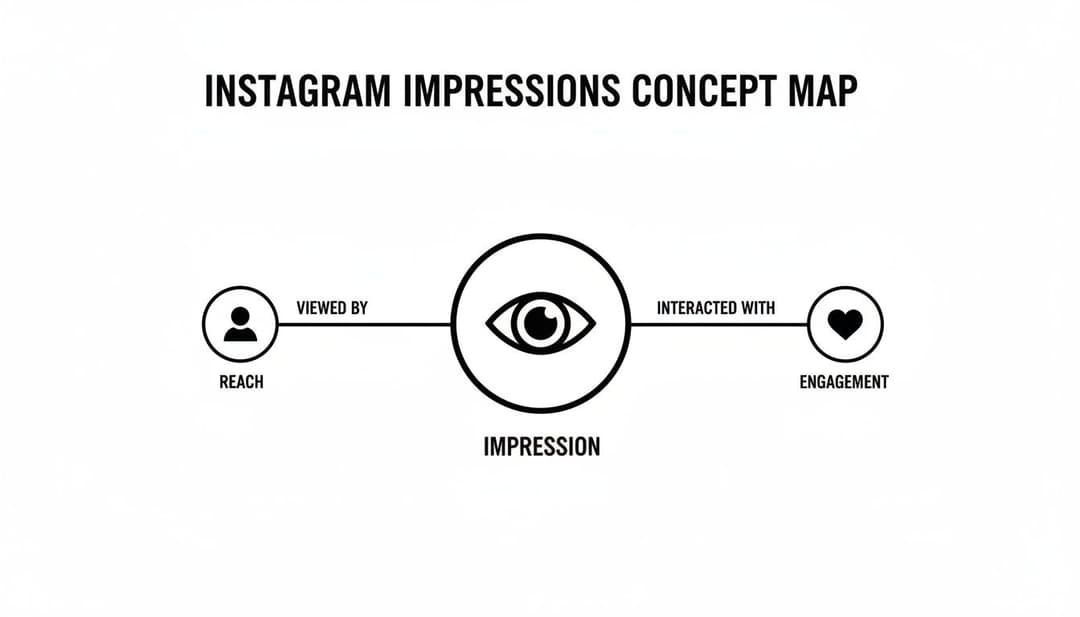
As you can see, reach is your unique audience, but impressions are the total views that get you there—and hopefully drive some action.
Measuring Ad Frequency
For any performance marketer, the relationship between impressions and reach unlocks a vital diagnostic metric: frequency. The math is dead simple:
Frequency = Total Impressions ÷ Total Reach
If your frequency is 3.0, it just means that, on average, every person in your audience has seen your ad three times. This little number is your best defense against a classic campaign-killer: ad fatigue.
Think about it. If your frequency is climbing but your conversions are flat, it’s a massive red flag. Your audience is probably sick of seeing the same ad. Monitoring frequency tells you exactly when it's time to swap in fresh creative to keep performance from tanking.
The Sheer Scale of Paid Impressions
The number of paid impressions you can get on Instagram is just staggering. As of January 2025, Instagram’s ad ecosystem can tap into an audience of 1.74 billion people across the globe.
That’s not a stagnant number, either. It represents a 5.5% year-over-year increase, a growth rate that even outpaces TikTok for the same period. This cements Instagram's spot as the go-to platform when you need to scale. You can find more on Instagram's market position in these detailed stats from Dreamgrow.
This massive scale means there are always new audiences to discover. But it also means you need a rock-solid plan for managing how often they hear from you. By tracking not just the total impression count but how those views are spread across your audience, you can start making much smarter decisions.
For a broader look at how this metric works across platforms, check out our guide on understanding social media impressions.
Why Impressions Are the Fuel for Your Ad Campaigns
It’s easy to write off the impression on Instagram as just another vanity metric. Lots of marketers do. But that’s a huge mistake, especially when you have money on the line with paid ads.
Think of impressions as the high-octane fuel for Meta's powerful advertising algorithm. They're the raw energy that gets your campaign engine started and keeps it humming along.
For a pure brand awareness campaign, piling up impressions is the whole game. You want your message seen far and wide, as often as possible, to build that crucial top-of-mind recognition. But their job in conversion-focused campaigns is even more critical, though it's often overlooked.
Every single impression is a data point. When you’re trying to get purchases or sign-ups, a massive volume of impressions feeds the algorithm the information it desperately needs to learn. It watches who scrolls past, who slows down, and who finally clicks, using thousands of these tiny signals to pinpoint the users most likely to do what you want them to do.
The Modern Rule of Seven
This all ties back to a classic marketing idea, the "Rule of 7," which suggests a customer needs to interact with your brand multiple times before they’ll even consider taking action. In the lightning-fast, scroll-heavy world of Instagram, impressions are those interactions.
The first time someone sees your ad, they might not even consciously notice it. The third time, maybe they’ll recognize your logo. By the fifth or sixth impression, they might finally be ready to actually think about your offer. If you don't get enough impressions, you never even get the chance to build that familiarity.
Impressions are the building blocks of consideration. Each view, however fleeting, contributes to the mental real estate your brand occupies in a potential customer's mind. A campaign without enough impressions is like trying to build a house with only a handful of bricks.
Moving Beyond a Vanity Metric
This completely reframes the impression on Instagram from a passive number into a leading indicator of your campaign's health. It's the essential first step that makes every other action—clicks, leads, sales—possible. A truly healthy campaign doesn't just get conversions; it gets them from a steady, well-paced stream of impressions delivered to the right people.
Here’s how you can start to shift your thinking:
- For Awareness: Impressions are your main key performance indicator (KPI). Your goal is efficient delivery, which you'll measure with a low Cost Per 1,000 Impressions (CPM).
- For Conversions: Impressions are the critical input that powers the algorithm's learning phase. A low number of impressions can trap your ads in "learning limited," stopping the algorithm from ever finding your best customers.
When you see impressions as the fuel for your campaign, you can make much smarter decisions. You’ll know when you need to bump up the budget to gather more data, or when it's time to swap out your creative to make every single impression count for more. To get a better feel for what these views cost, you can learn more about the average cost per impression in our detailed guide.
Proven Strategies to Increase Organic Impressions
Let's talk about boosting your organic impressions—getting more eyes on your content without spending a dime on ads. The game here isn't about outworking everyone; it's about outsmarting the algorithm. You need to create content that Instagram's system wants to push to a wider audience.
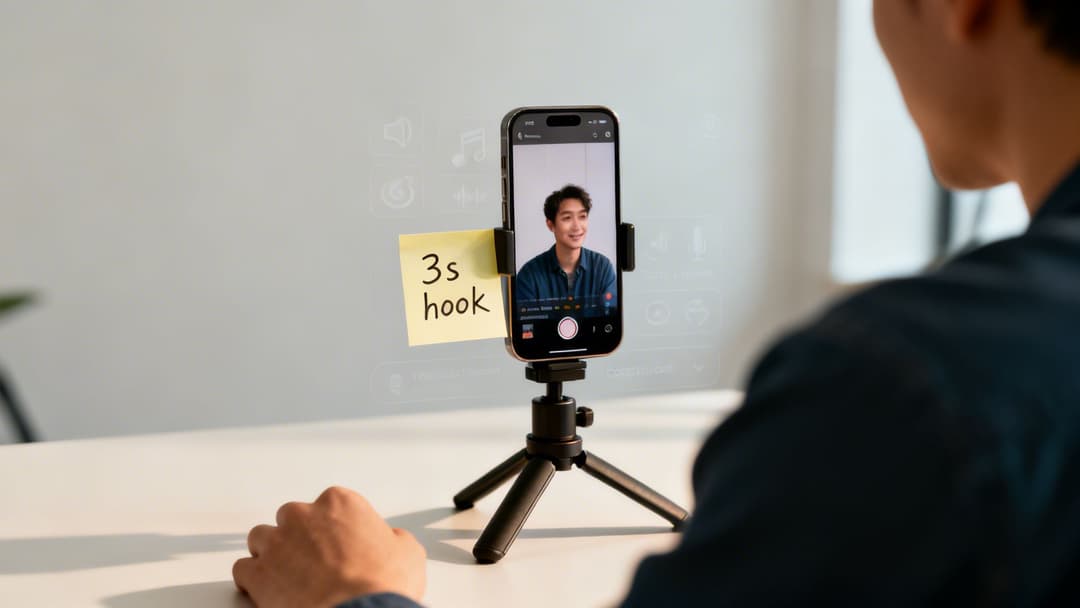
It all starts with grabbing attention from the jump. Your content is up against millions of other posts, so you’ve got about three seconds to give someone a reason to stop scrolling. For a Reel, that might mean a shocking visual, a question splashed across the screen, or a controversial statement.
Master High-Impact Content Formats
For a while there, Instagram Reels were the undisputed king for driving impressions. They were a goldmine. At their peak, Reels were pulling in 22% more interactions than regular video posts, making them the go-to for anyone trying to grow.
But things change fast. Recent data from insights about Instagram from Analyzify.com shows that Reels reach actually plunged by 35%, with impressions dropping 39% from their highs. This doesn't mean you should abandon Reels. Not at all. It just means you can't put all your eggs in one basket. A smart strategy now involves a healthy mix of engaging Stories, high-quality photo carousels, and Reels.
The big takeaway here is to stay agile. Reels are still a fantastic tool for discovery, but relying on a single format is just too risky. A varied content mix ensures you're meeting your audience wherever they are on the platform.
Build a Smart Hashtag Strategy
Think of hashtags as signposts for the algorithm. They tell Instagram who your content is for and where it should be shown. A classic rookie mistake is just piling on huge, generic tags like #marketing. You're essentially throwing your post into an ocean with millions of others, making it almost impossible to be seen.
A much better approach is to use a tiered strategy to maximize your shot at getting that impression on Instagram:
- Broad/Discovery Hashtags (2-3): These are the big ones with millions of posts (think
#digitalmarketing). You have a small chance at massive exposure, so it's worth a shot. - Niche/Community Hashtags (5-7): Get more specific here, targeting your industry or topic (like
#paidsocialtips). This is where you connect with a highly relevant, super-engaged crowd. - Hyper-Specific/Branded Hashtags (1-2): These are unique to you or a campaign (e.g.,
#AdStellarAI). They're fantastic for building a community and tracking user-generated content.
This blended approach gives your post the best of both worlds—a shot at broad discovery and a direct line to your ideal audience, which steadily grows your impressions over time.
Post When Your Audience Is Watching
You could create the most brilliant piece of content ever, but if you post it when no one's online, it's not going to get any impressions. It’s that simple. You need to post when your followers are actually scrolling.
Your roadmap is right inside the app. Head to Insights > Your Audience > Most Active Times. This data tells you the exact days and hours your audience is most likely to be on Instagram.
By posting about 30 minutes before these peak times, your content is fresh and waiting for them as they log on. This sparks an initial wave of engagement, which signals to the algorithm that your post is worth showing to more people on the Explore page and in hashtag feeds.
Your Organic Impression Boosting Checklist
To pull all these ideas together, here's a quick checklist you can use to make sure your organic strategy is on point.
| Tactic | Why It Works | Pro Tip |
|---|---|---|
| Nail the First 3 Seconds | You're fighting for attention. A strong hook stops the scroll and signals value to the viewer and the algorithm. | Use bold text overlays, ask a provocative question, or show a surprising visual right away. |
| Diversify Content Formats | The algorithm and user behavior change. A mix of Reels, Carousels, and Stories keeps you relevant and visible. | Analyze your Insights to see which format your specific audience engages with most, and double down on that. |
| Use a Tiered Hashtag Mix | This strategy balances broad reach with targeted visibility, attracting both new followers and your core community. | Create a few "hashtag sets" in your notes app for different content pillars so you can copy and paste them quickly. |
| Post During Peak Hours | Posting when your audience is active creates an immediate engagement spike, boosting your content's momentum. | Experiment with posting 30-60 minutes before the peak to be at the top of the feed when the rush starts. |
| Engage with Your Community | Responding to comments and DMs shows the algorithm that your account is active and valuable, which can lead to better reach. | Dedicate 15 minutes after posting to reply to every single comment. The initial velocity is critical. |
Following these steps consistently will help you work with the Instagram algorithm, not against it, giving your content the best possible chance to rack up those valuable organic impressions.
For a deeper dive into growing your presence, check out our complete guide on how to promote on Instagram, which covers everything from organic growth hacks to paid advertising strategies.
Optimizing Paid Impressions with Meta Ads
For any performance marketer, this is gospel: not all paid impressions are created equal. Buying a million cheap views that lead to precisely zero sales isn't a strategy—it's just burning cash. The real game is getting high-quality visibility. You want your ad in front of users who are actually likely to do something. This is where a smart Meta Ads strategy turns a simple impression on Instagram into a powerful tool for growth.
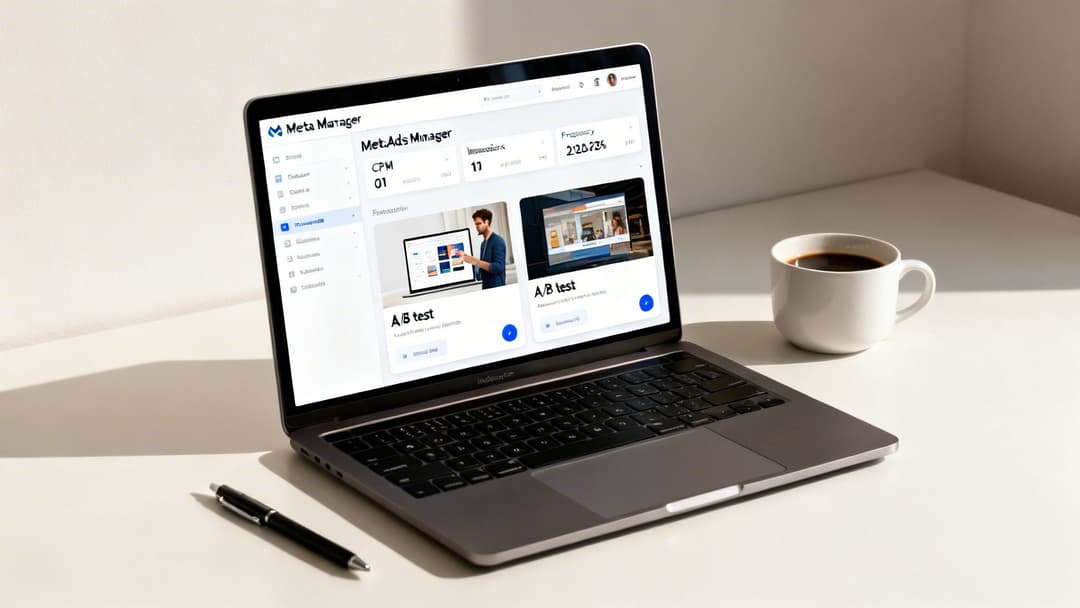
It all starts with your campaign objective. This one choice completely changes how Meta’s algorithm delivers your ads and, crucially, what you pay for. If you choose "Reach," you're telling the algorithm to find the absolute cheapest impressions it can to show your ad to the maximum number of people. But if you pick "Conversions," it’s going to hunt for more expensive, higher-quality impressions served to users it believes will actually pull out their credit card.
Align Your Bidding with Your Business Goals
Think of your campaign objective as giving the algorithm its marching orders. The impression is the action, but the objective is the mission.
- Awareness/Reach Objective: This is all about broad-stroke visibility. You're paying for pure eyeballs, so your north star metric is Cost Per 1,000 Impressions (CPM). The goal here is simple: get your CPM as low as humanly possible.
- Traffic Objective: Now Meta optimizes for users who are likely to click a link. You’ll still keep an eye on CPM, but what you really care about is your Cost Per Click (CPC).
- Conversion Objective: This is the money-maker. The algorithm actively seeks out users with a history of buying. Your impressions will cost more, but they are far more valuable because they’re served to a high-intent audience.
An impression in a conversion campaign is a calculated bet. Meta is spending your money on a user it thinks is a good prospect. Your job is to make sure your audience targeting and ad creative prove that bet was a good one.
Refine Your Audience and Analyze Your CPM
Your audience targeting determines the "pond" Meta is fishing in for impressions. A massive, untargeted audience might give you a rock-bottom CPM, but you'll be showing your ads to people who couldn't care less. On the flip side, a hyper-specific audience can send your CPM through the roof due to competition, but every single impression is golden.
The sweet spot? It's often found with Lookalike Audiences. By uploading your existing customer data, you can ask Meta to find new users who behave just like your best customers. This keeps your impressions incredibly relevant without shrinking your audience into a tiny, expensive niche.
A rising CPM isn’t always a red flag. If it’s climbing because you’re targeting a high-value audience that converts like crazy, it's a smart investment. But if your CPM is going up while your results are tanking, that’s a clear signal of ad fatigue or a poorly defined audience.
A/B Test Creative to Find Your Winners
At the end of the day, the ad creative itself is your ultimate lever for controlling impression quality. A boring, generic ad will get scrolled past, no matter how perfect your targeting is. But a thumb-stopping, engaging ad makes every single impression work harder for you.
The key is rapid A/B testing. Pit different images, videos, headlines, and calls to action against each other to see what truly resonates. Your goal is to find the ad variations that generate valuable, action-driving impressions at the lowest possible cost. A well-optimized ad can dramatically lower your CPM while simultaneously boosting your conversion rate.
If you want to go deeper into paid strategies, our guide on how to promote an Instagram post offers more advanced techniques for getting the most out of your ad budget. By aligning your objectives, refining audiences, and constantly testing creative, you can ensure every dollar you spend is buying high-quality visibility that drives real business results.
Frequently Asked Questions About Instagram Impressions
Diving into Instagram metrics can feel like you're learning a new language. To help clear the air, here are some straight answers to the questions we see pop up most often from performance marketers and business owners.
What Is a Good Number of Impressions on Instagram?
Honestly, there's no magic number. A "good" amount of impressions is completely relative to your campaign goals, audience size, and how much you're spending. Chasing a raw number is a losing game.
A much smarter way to look at it is through the lens of efficiency. For paid ads, you should be obsessed with your Cost Per 1,000 Impressions (CPM). The goal isn't just to rack up impressions; it's to drive your CPM down while pushing your conversion rates up. For organic content, your best benchmark is yourself—just focus on steady, incremental growth over time.
Instead of asking "how many impressions are good?", ask yourself: "Are my impressions efficiently leading to the business outcomes I actually care about?" That simple shift in perspective is everything.
Why Are My Instagram Impressions So Low?
Low impressions usually point to one of a handful of common culprits, and the fix depends on whether we're talking about organic content or paid ads.
- For Organic Posts: The usual suspects are low initial engagement from your followers (which tells the algorithm not to show it to more people), posting when your audience is asleep, or using hashtags that are either way too broad or totally off-topic.
- For Paid Ads: The problem is almost always in your campaign setup. A budget that's too small to get out of the "learning phase," an audience that’s too niche and competitive, or ad creative that’s gone stale can all put the brakes on delivery.
A good starting point is to pop into your Meta Ads Manager and check the ad delivery status. From there, try testing a few new ad creatives or gradually broadening your audience to see if that gets things moving again.
Do Impressions Count If the Same Person Sees My Post Twice?
Yes, they absolutely do—and this is the single most important difference between impressions and reach. If one person sees your ad or post three separate times, that activity logs as 1 for reach and 3 for impressions.
This is exactly where the metric 'frequency' comes from (Impressions ÷ Reach). A little bit of frequency is crucial for getting someone to take action, but when it gets too high without any results, that's a massive red flag for ad fatigue. Your audience is tired of seeing your ad, and performance is about to nosedive.
Can I Buy Instagram Impressions?
You can, and you already do every time you run a paid ad campaign. When you launch a campaign in Meta Ads Manager, you are literally paying Meta to serve impressions of your ad to a laser-focused audience. This is the legitimate, effective, and only way you should be "buying" visibility on the platform.
What you should never do is purchase impressions or followers from those sketchy third-party services or bot farms. This is worse than useless—it provides zero business value because those aren't real people who can ever become customers. It’s also a direct violation of Instagram's terms of service and a surefire way to get your account slapped with a penalty or even permanently banned.
Ready to turn your creative ideas into high-performing ad campaigns without the manual grunt work? AdStellar AI helps you launch, test, and scale Meta campaigns 10x faster. Generate hundreds of ad variations in minutes, let AI identify your top performers, and automate campaign creation to focus on what really matters—driving results. Learn how to unlock more revenue from Meta with less time and spend.